Great walks don’t happen by accident. They result from thoughtful design, vibrant activity, inviting public spaces and pedestrian-scale environments that transform movement into an experience.
Whether along a main street, waterfront, campus spine, downtown corridor or transit-oriented district, great walks invite people to slow down, engage with their surroundings and connect with one another.
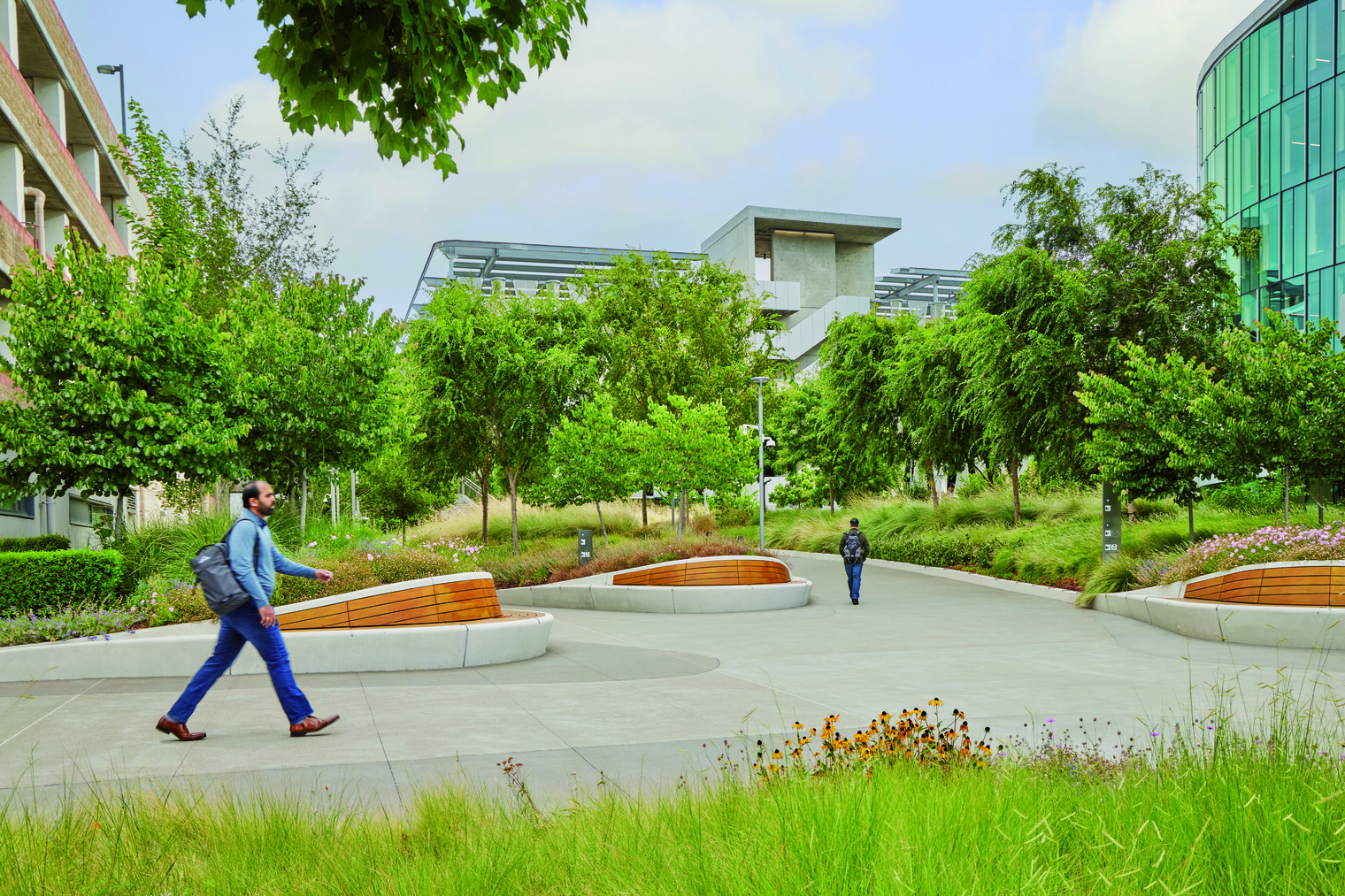
Prioritizing Pedestrians
At its foundation, a great walk is scaled to the pedestrian experience. The public realm must be designed first and foremost for people. High-quality paving, abundant plantings, comfortable seating, street trees and thoughtful lighting create an environment that feels safe, attractive and welcoming throughout the day and evening.
It’s important to manage vehicular traffic along the walk to support, rather than dominate, the pedestrian environment. This principle extends to bicycles and other micromobility devices, which require thoughtful organization and management to ensure a comfortable and safe experience for all users.
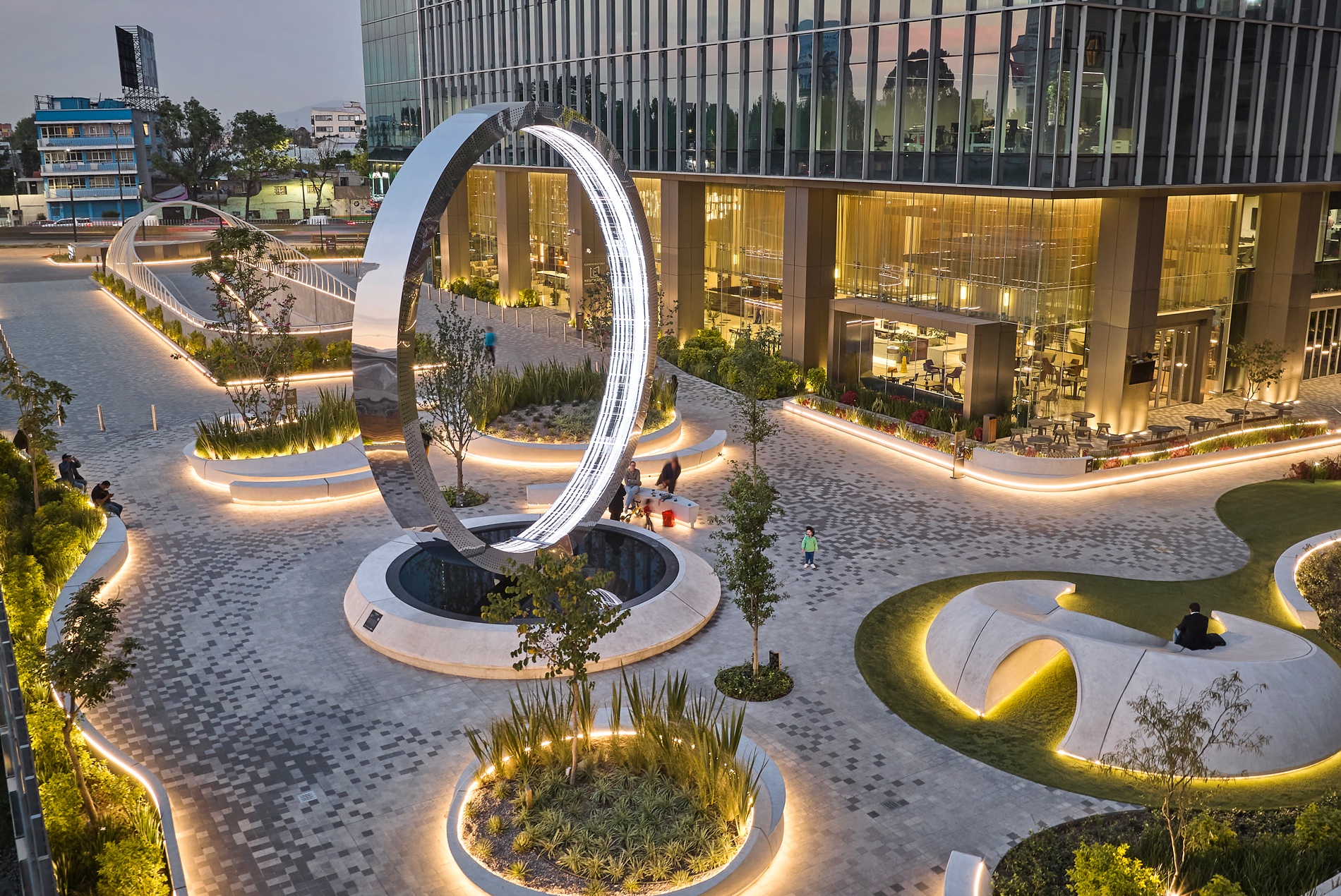
Creating Variety in the Built Environment
Great walks are punctuated by active and accessible destinations. Buildings with active ground floors, such as dining and retail, cultural spaces, transit stations and outdoor programming, create memorable moments that draw people to stop, linger and return.
Every segment of the journey should offer a purpose, destination or opportunity for engagement. Over longer distances, variety becomes essential.
Architecture and urban form play a critical role. Well-designed buildings frame streets and public spaces, creating enclosure, orientation and visual interest. Memorable landmarks, framed vistas and strategic views provide moments of delight and establish a strong sense of place. Protection from sun, wind and rain is also important, with shade trees, arcades, canopies and sheltered spaces helping to provide year-round comfort.
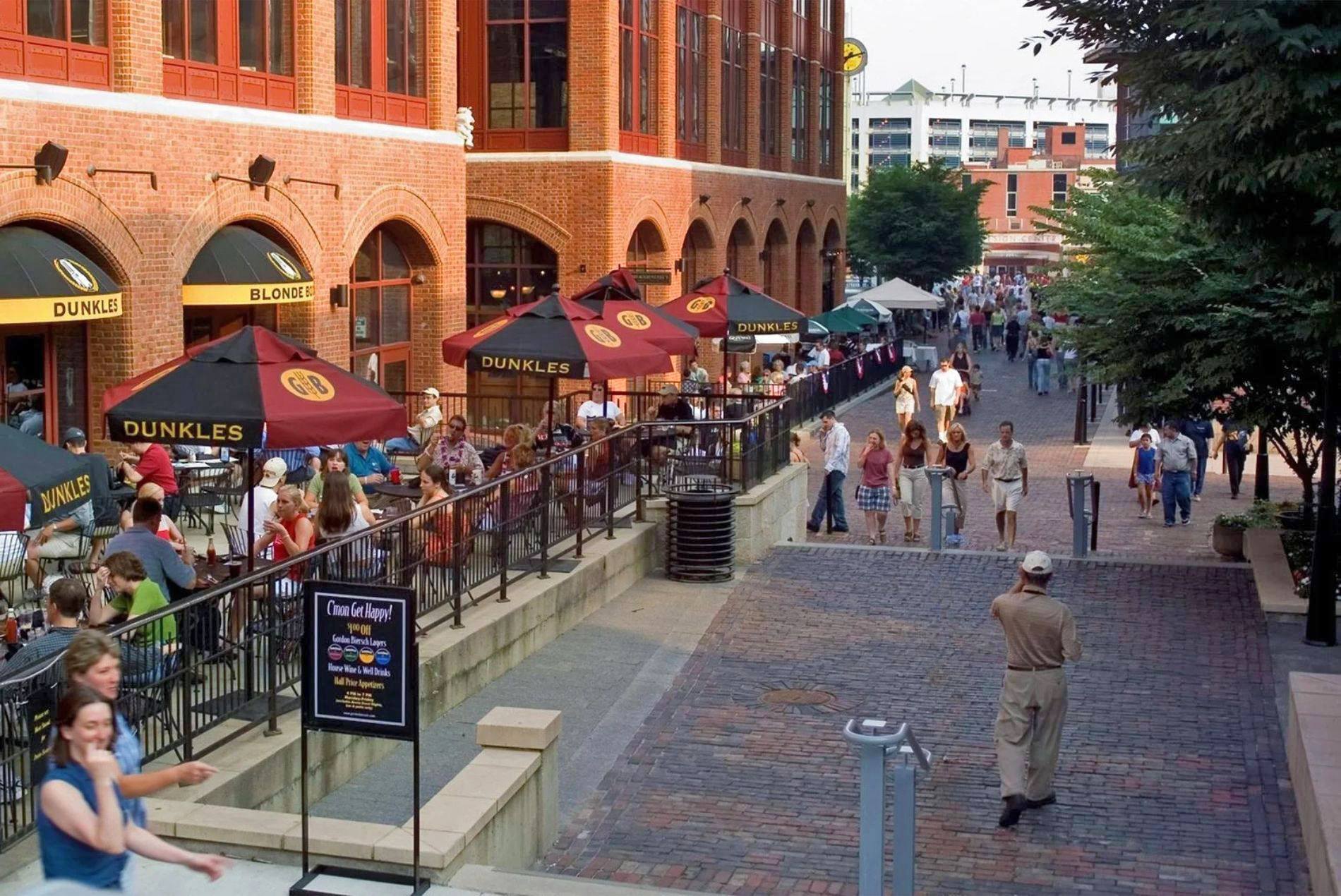
Bringing People and Activity Together
Lastly, great walks depend on people. A successful pedestrian environment achieves a density of activity that creates vibrancy, energy and a sense of safety without feeling overcrowded. The presence of people walking, gathering, observing and interacting is both the outcome and the reinforcement of a successful public realm.
When these elements come together, walking becomes more than a means of getting from Point A to Point B. The journey itself becomes the destination.
A great urban walk is that. It’s a social and cultural experience that strengthens community identity, supports local businesses, promotes health and well-being and creates memorable moments people return to again and again.
William Kenworthey is an urban designer and registered architect in HOK’s New York studio. He leads HOK’s Northeast planning and urban design practice, working with property owners, developers and government agencies to create more livable and resilient urban environments.