LaGuardia Airport Terminal B
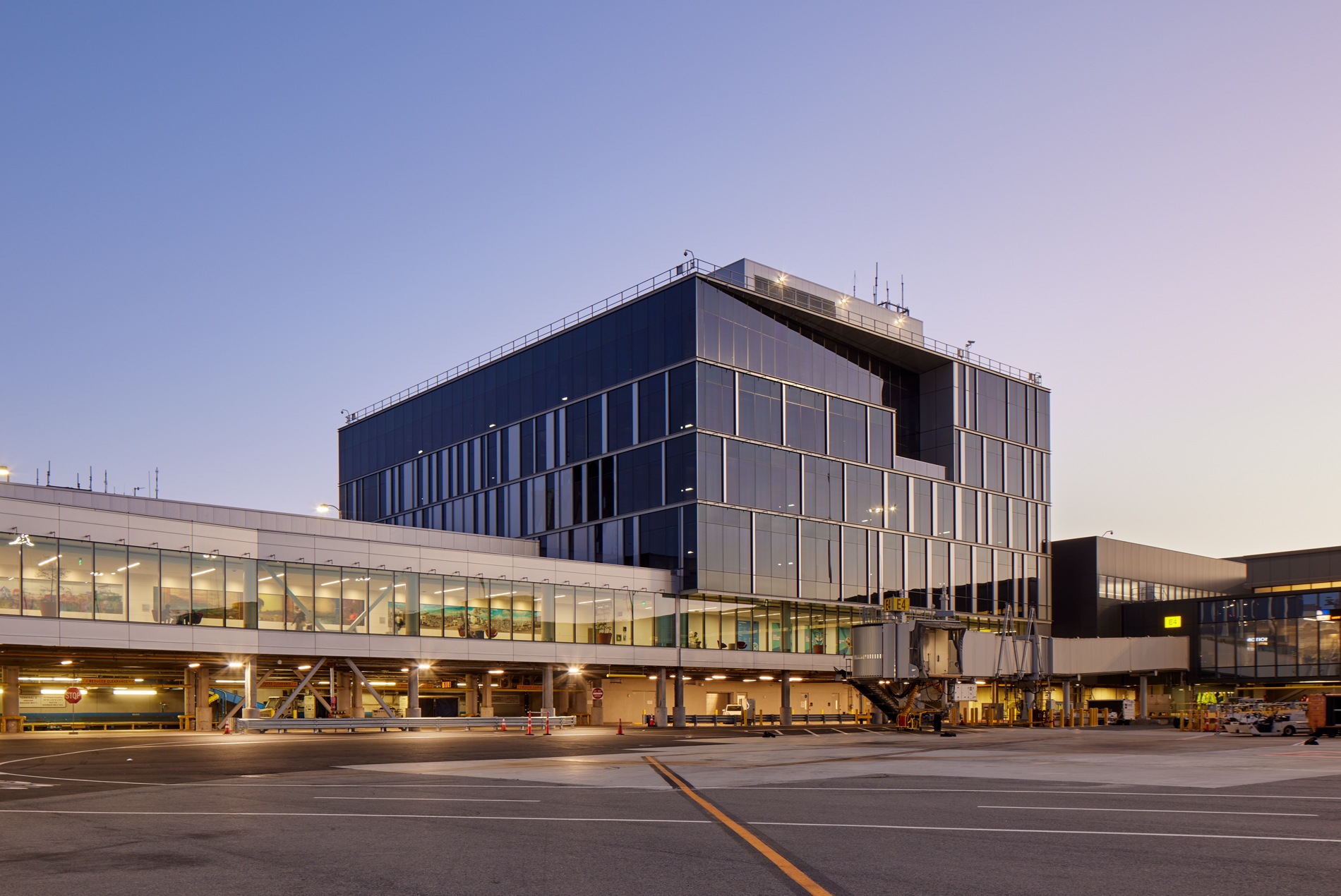
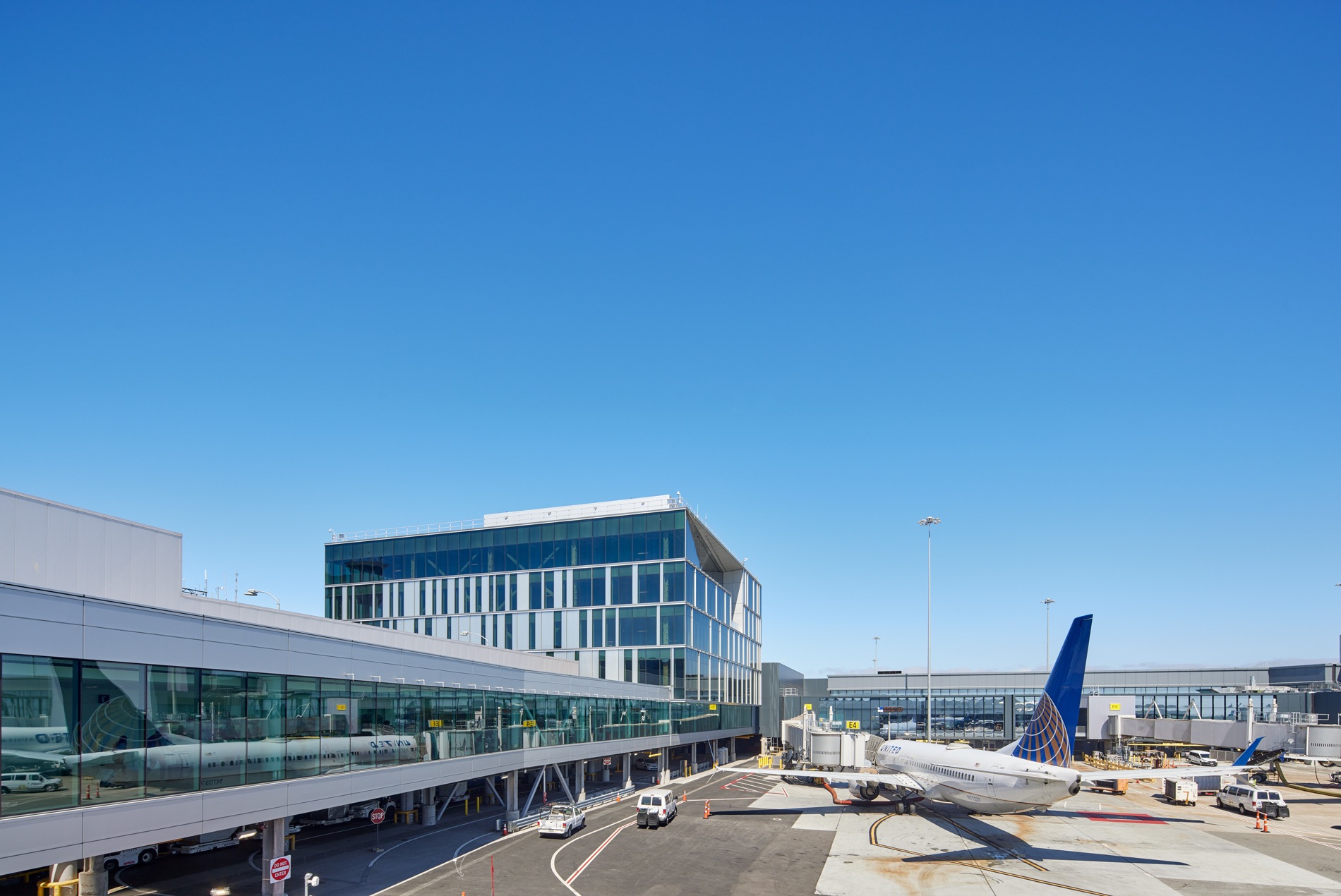
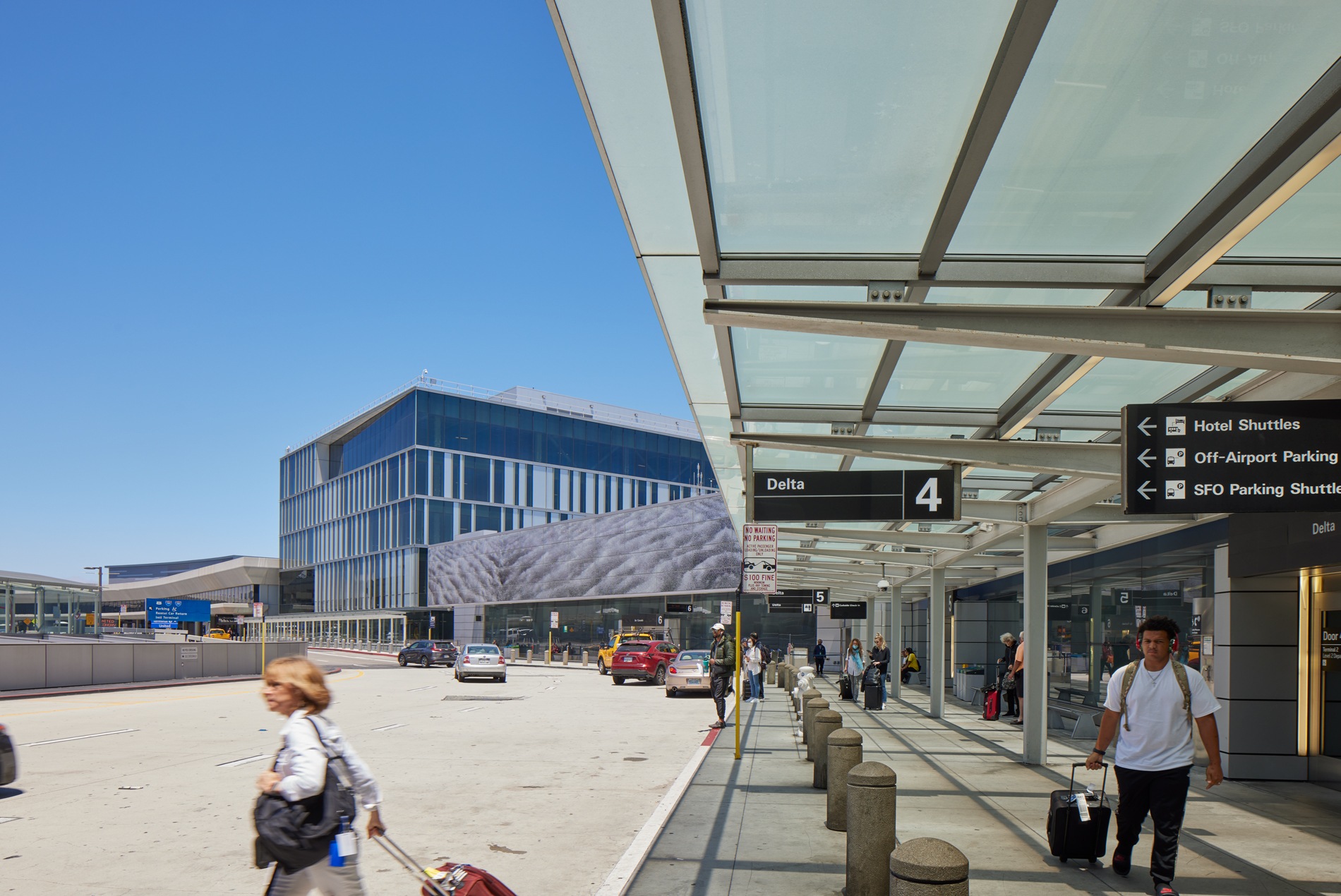
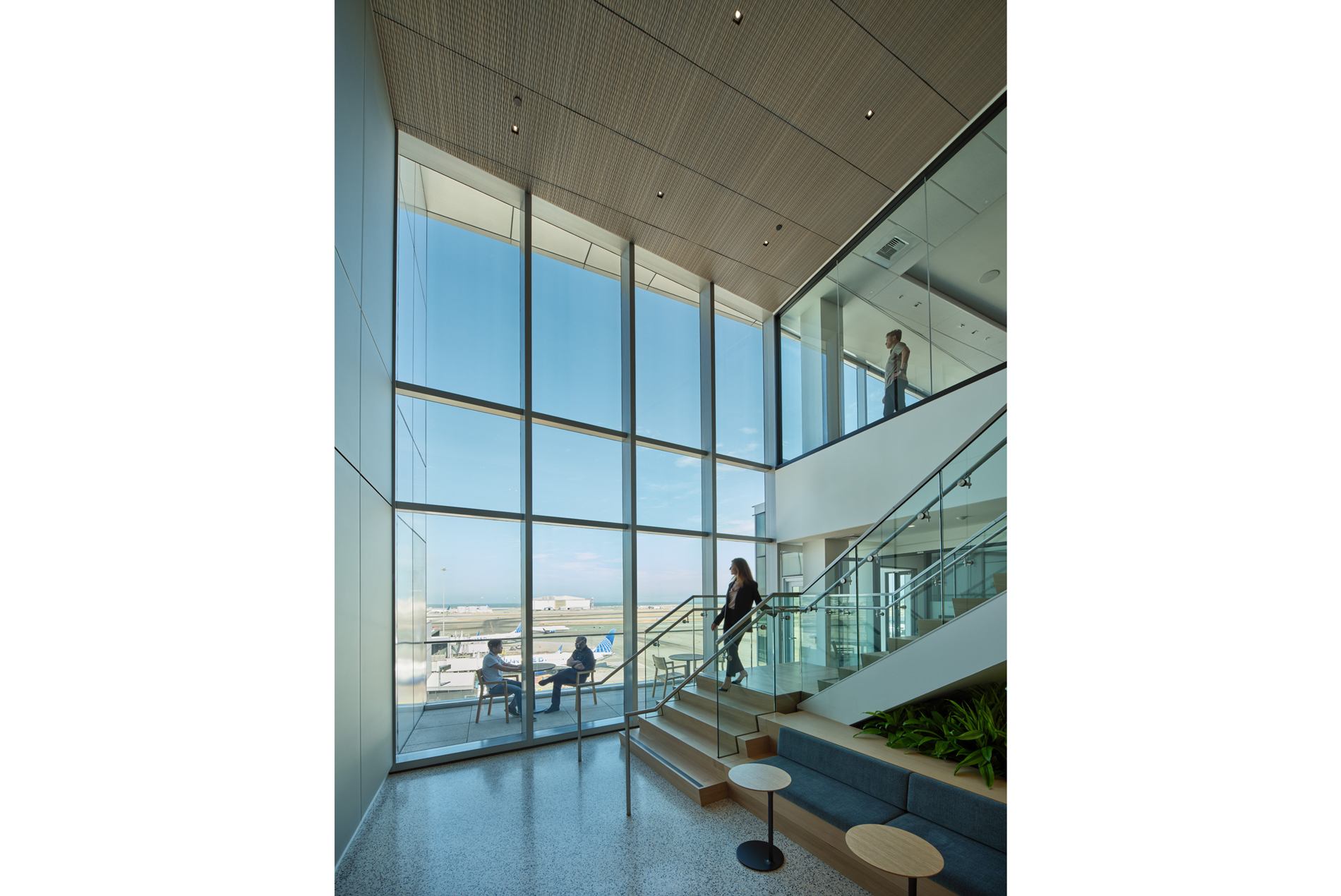
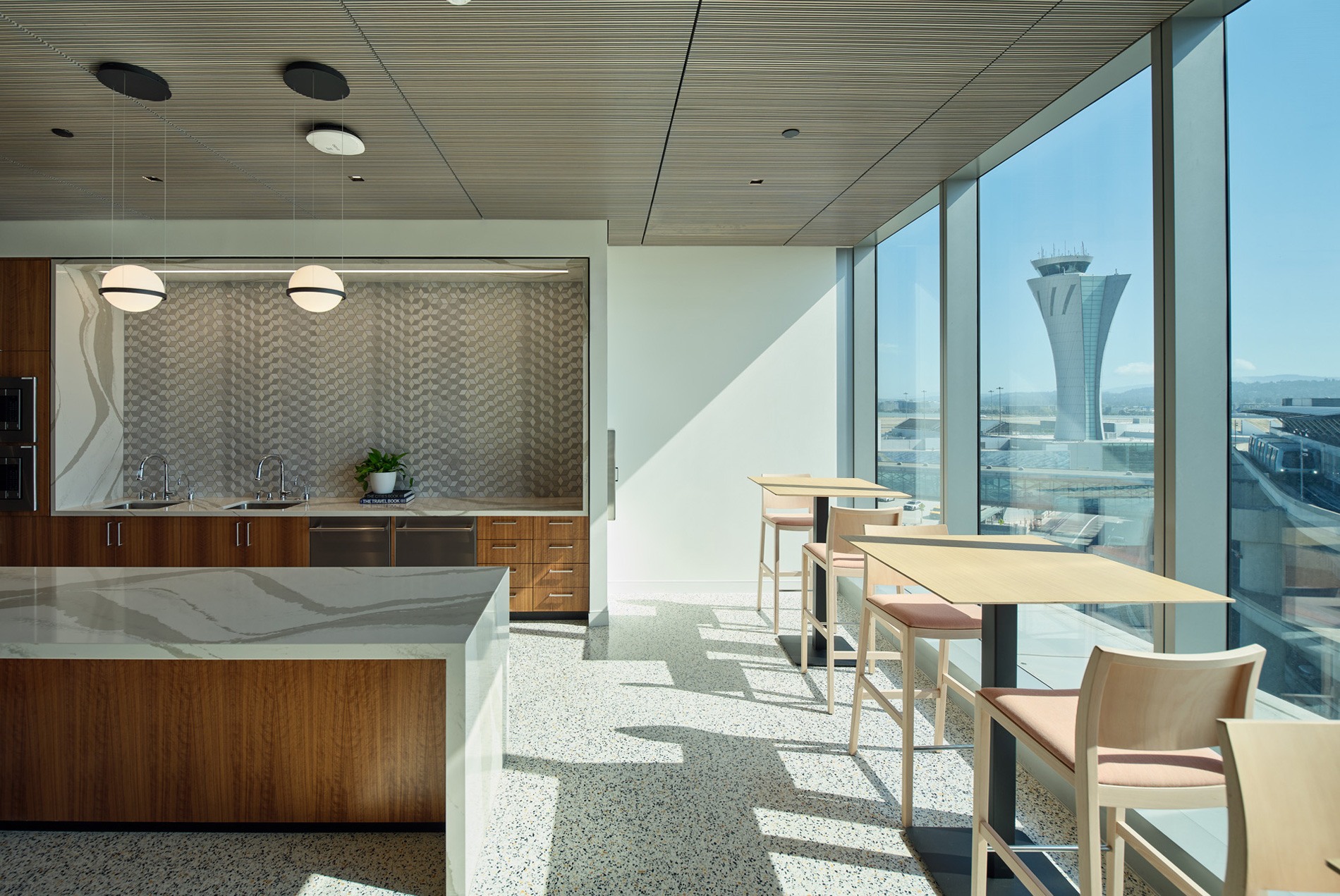
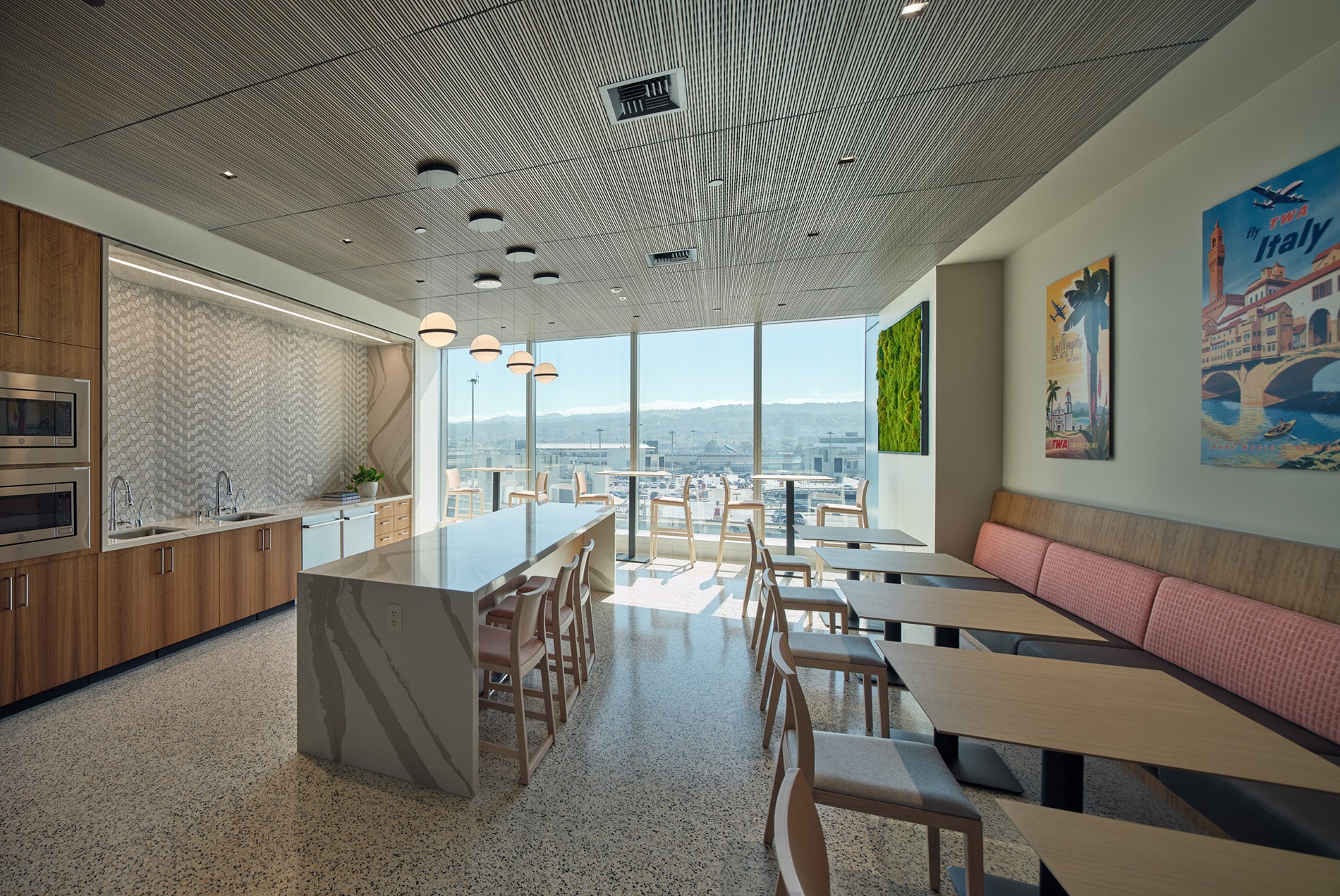
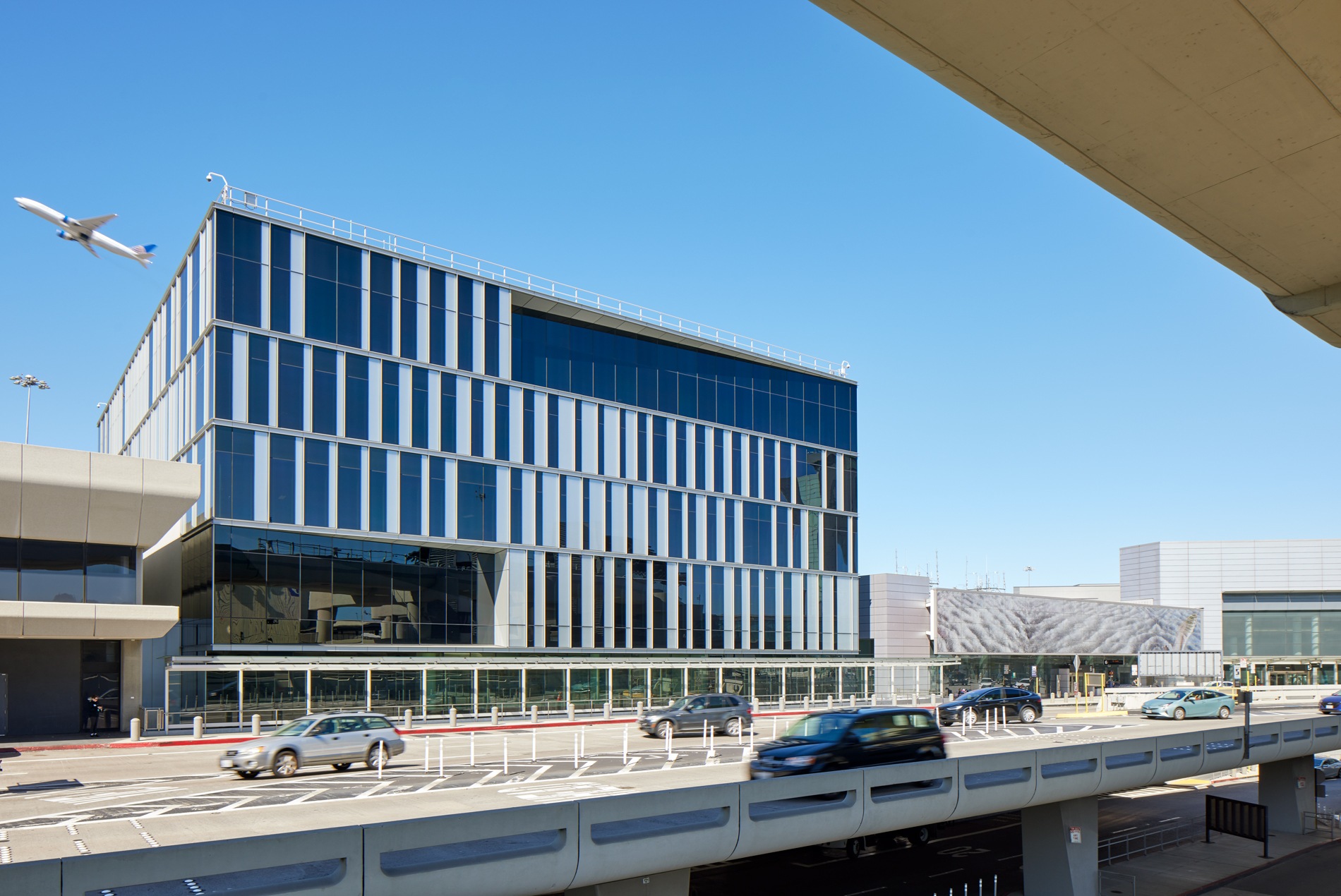
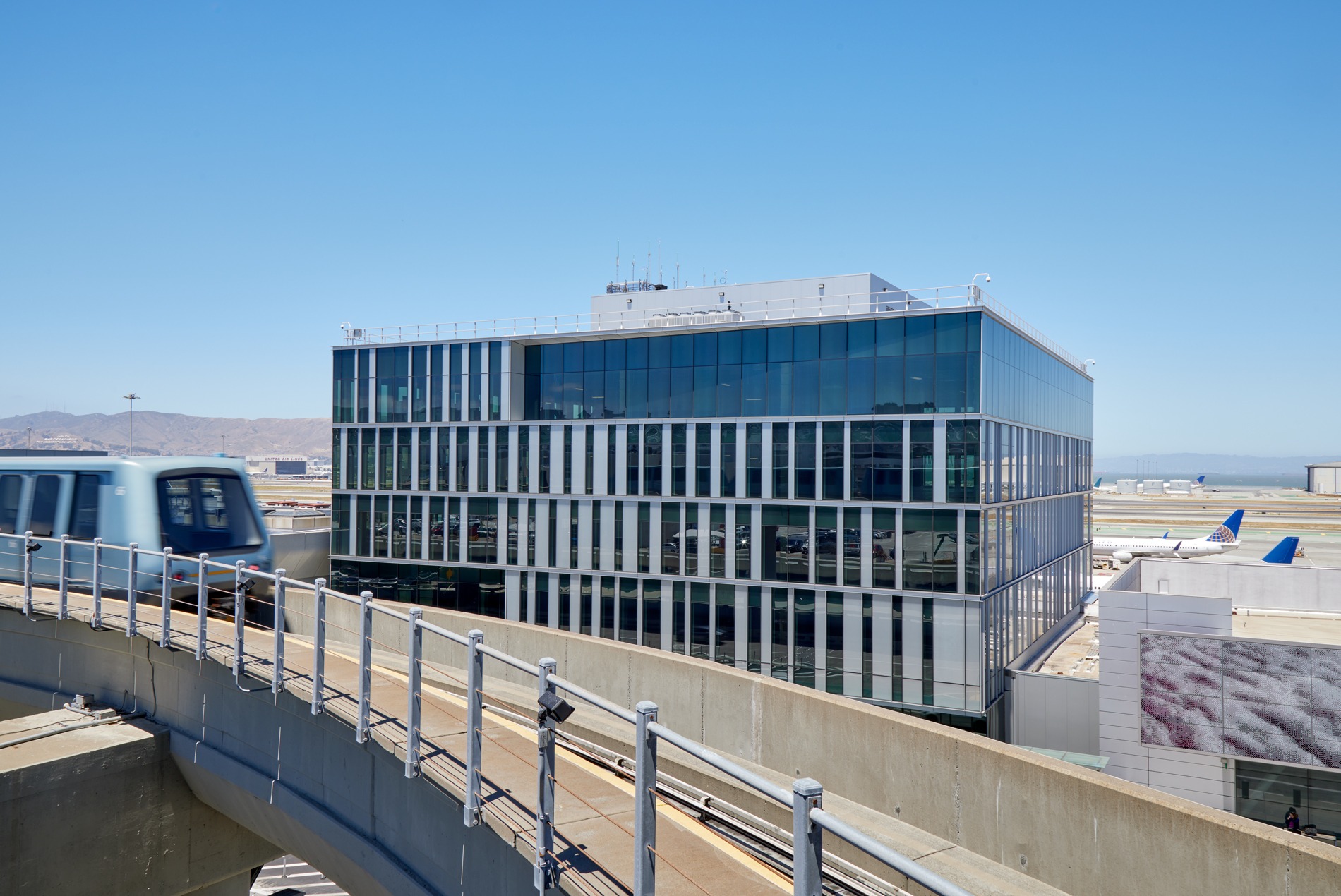
Travelers and airport staff at San Francisco International Airport faced fragmented connections between Terminals 2 and 3 and dispersed executive and operational teams. The Courtyard 3 Connector brings these elements together, improving the traveler journey while centralizing airport operations to support faster, more coordinated decision-making.
Design Solutions
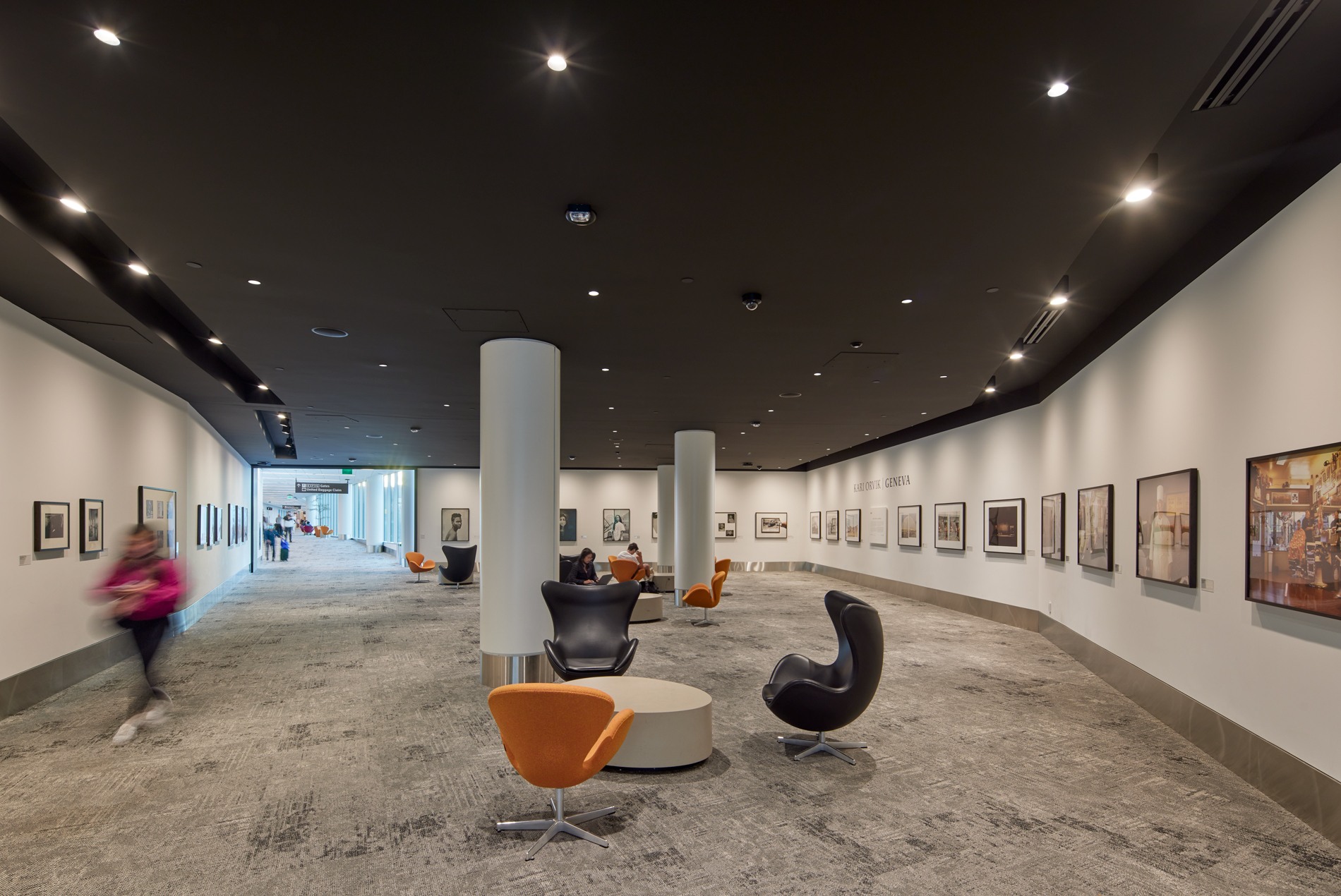
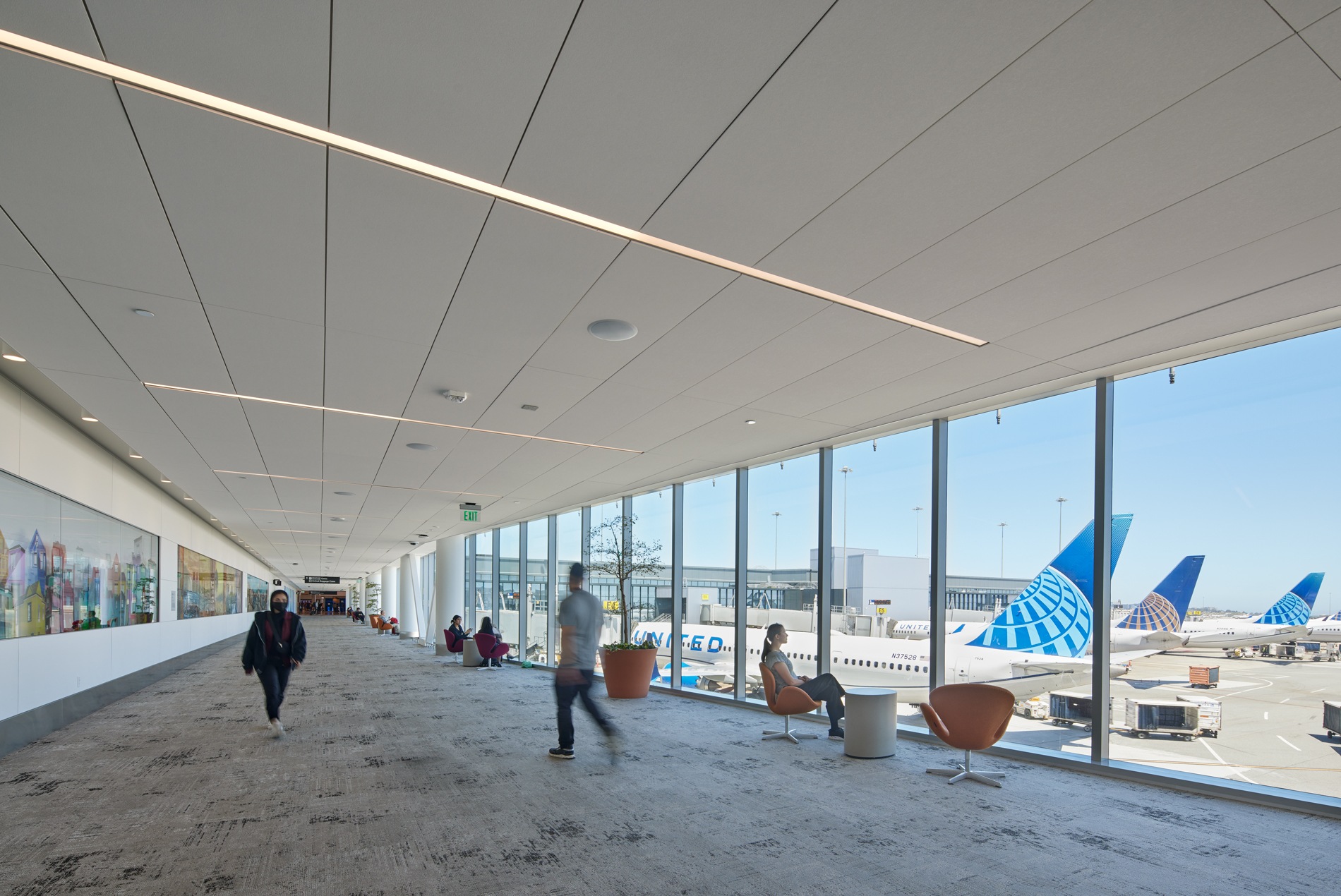
The project links Terminals 2 and 3 with a pre- and post-security connector, allowing travelers to move between terminals without re-clearing security. This reduces travel time, eases congestion at checkpoints and creates a more seamless journey. The connector incorporates moments of pause and engagement, including seating, a sculpture in the pre-security space and the Kadish Gallery in the post-security corridor, which features curated photography and commissioned glass installations inspired by San Francisco.
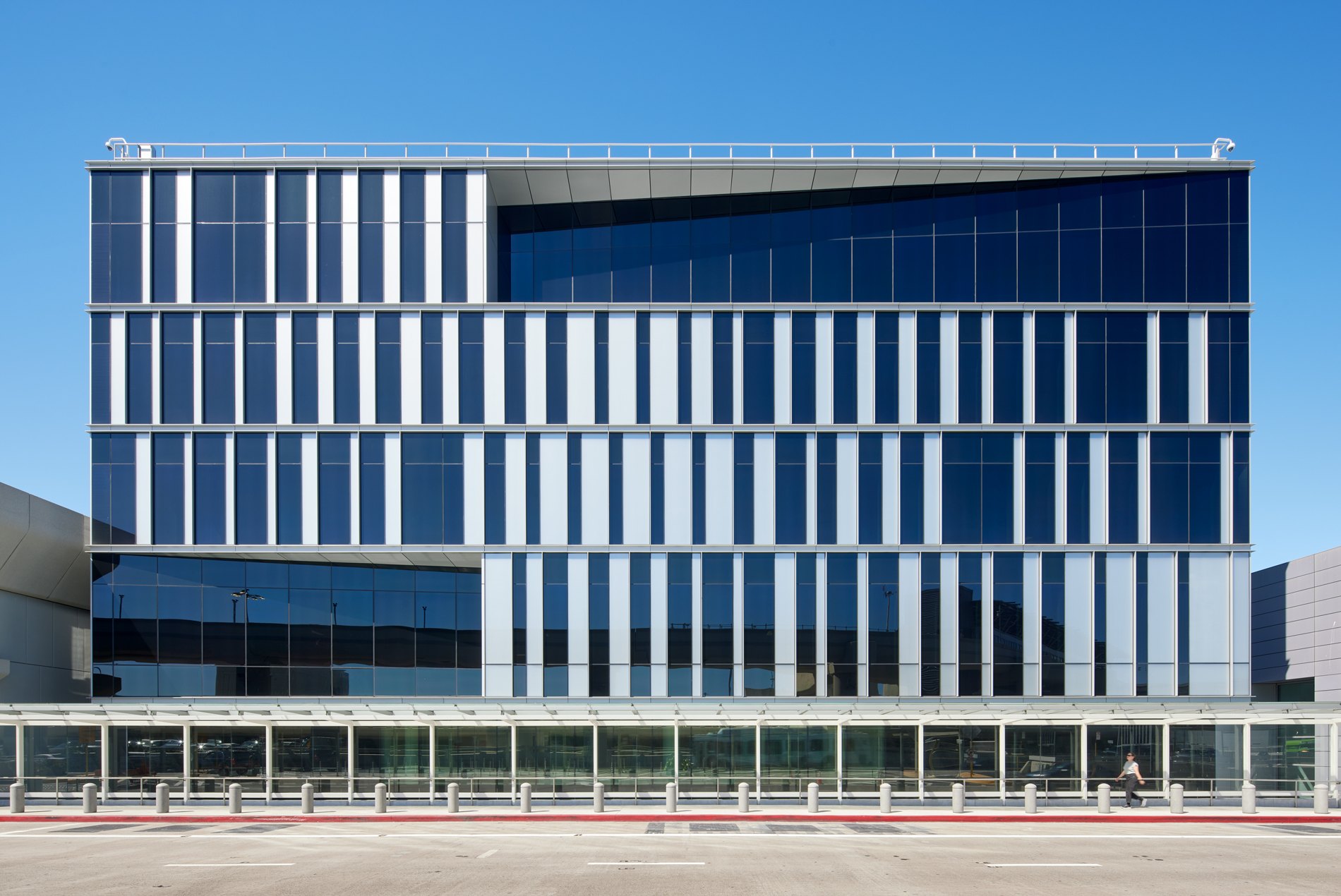
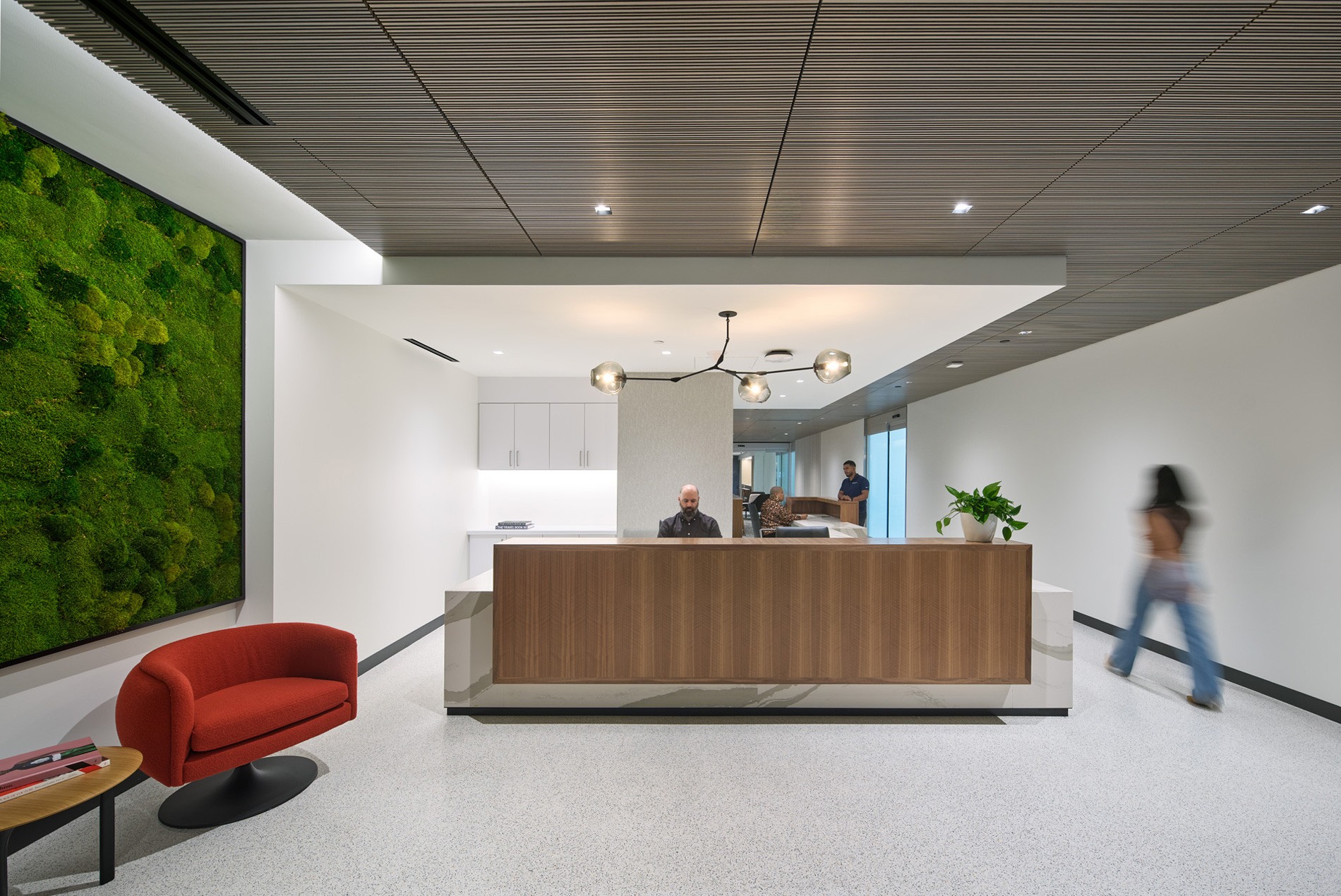
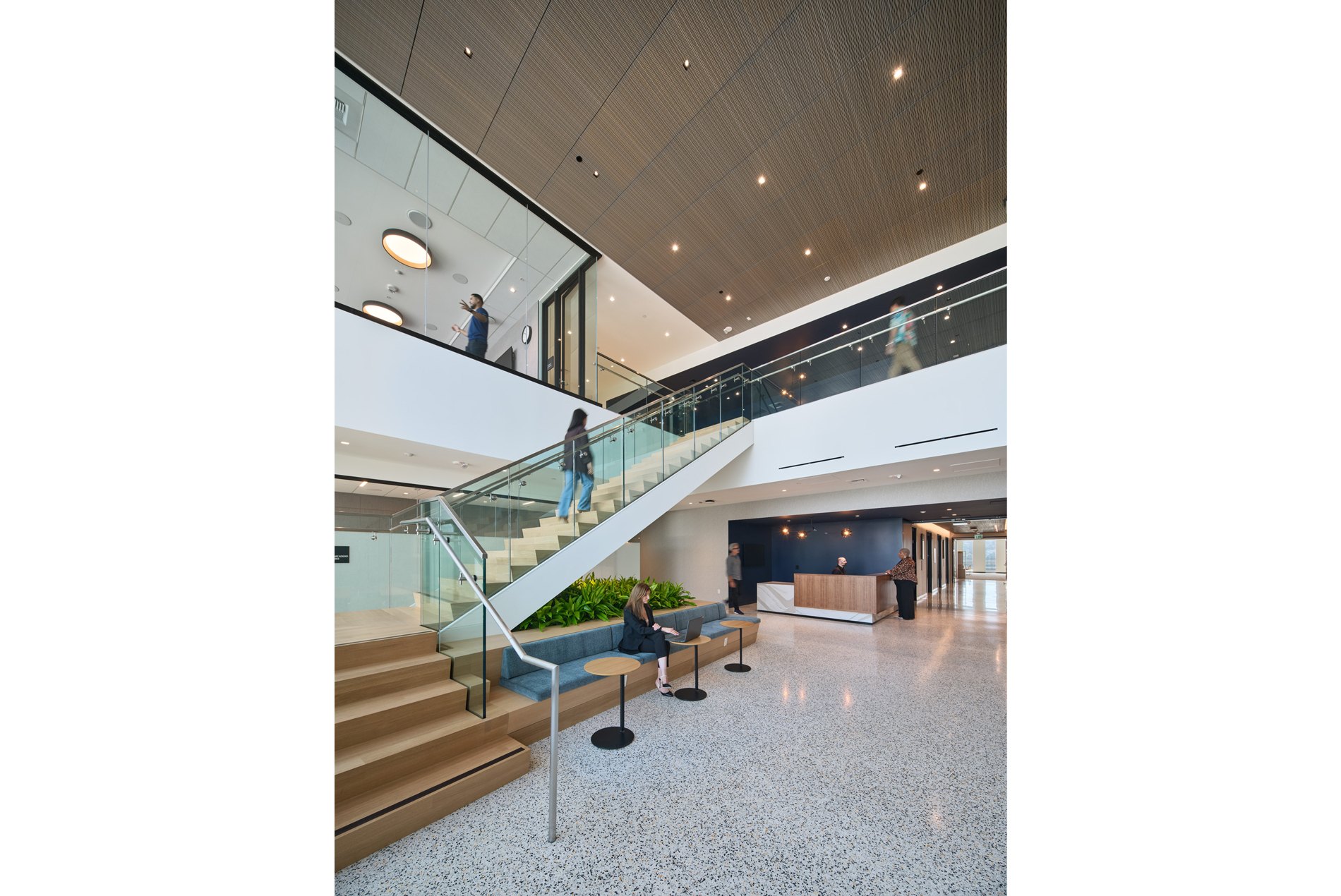
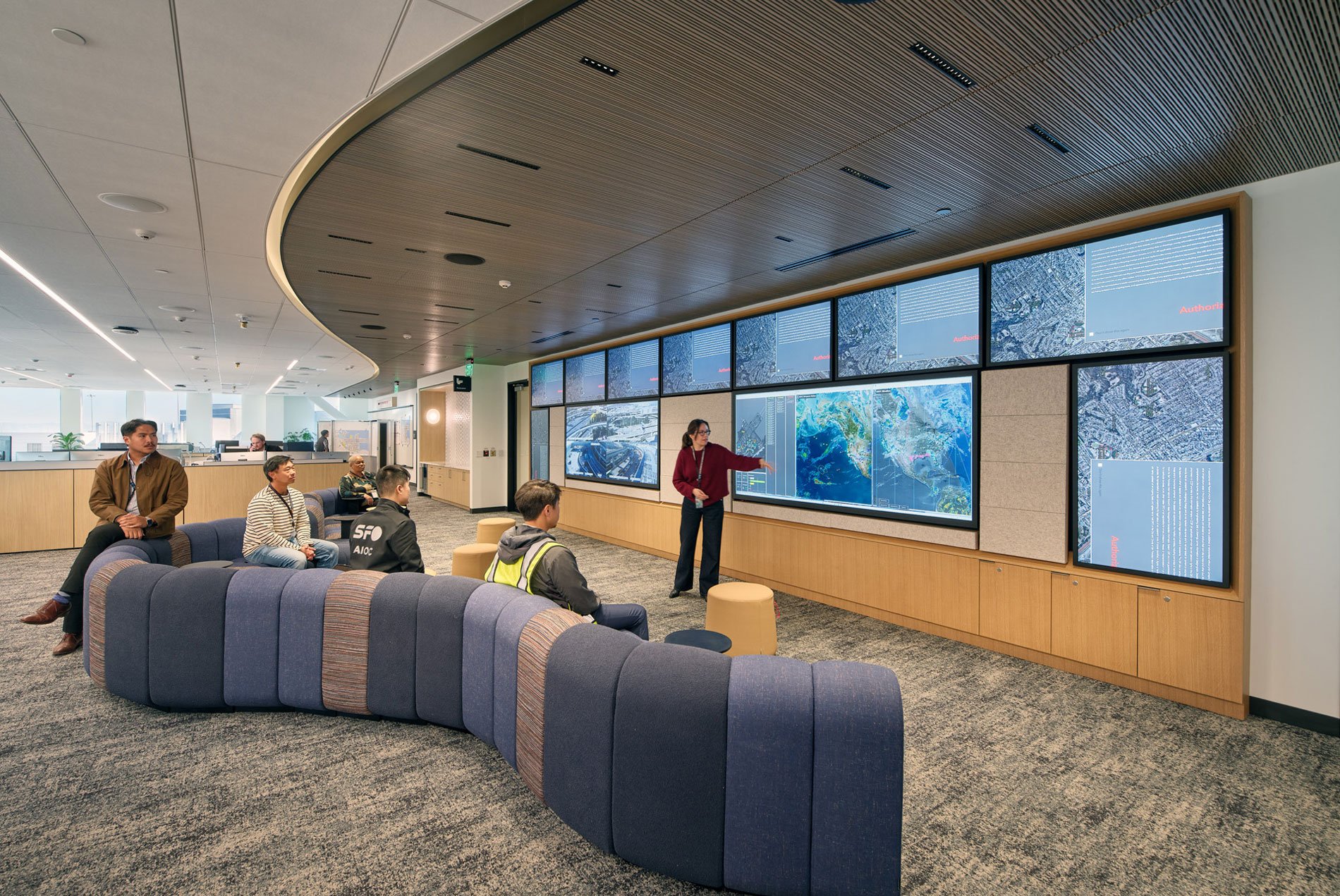
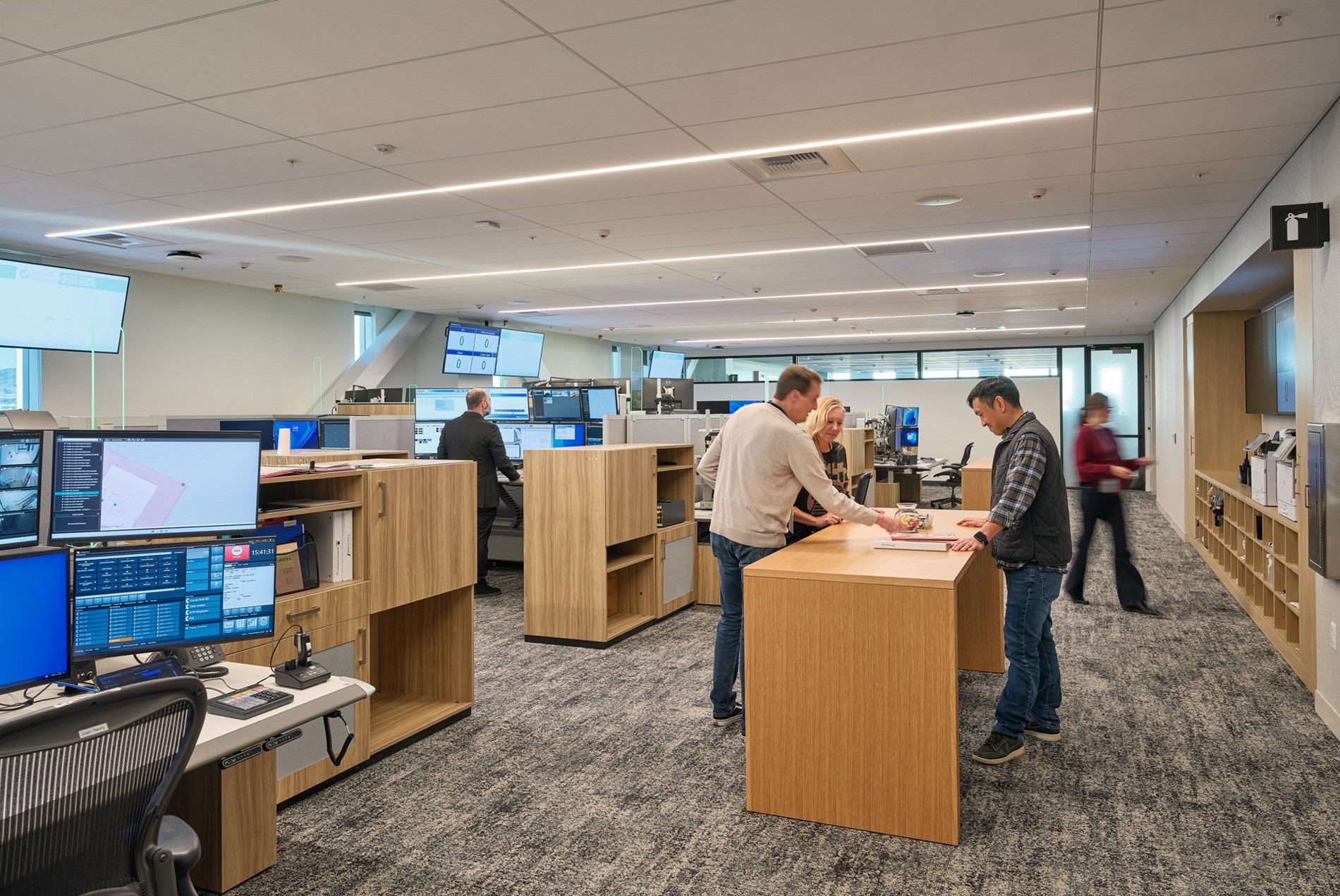
Above the connector, a six-story office building consolidates airport leadership and operational teams previously spread across the campus. The integrated operations center brings together facilities management, logistics, airlines and customer solutions in a single, coordinated environment, with a 911 call center adjacent to the center. A shared hearth space with real-time data displays and a live audio feed of the airport’s control tower supports cross-team collaboration, communication and faster response times. The building is designed to essential services standards, allowing the operations center to remain functional after a seismic event.
Flexibility is built into the project to support future growth and operational changes. The design accommodates a future moving walkway and a potential baggage handling connection between terminals, as well as convertible lounge space that can transition to airline offices. This approach extends the life of the facility and allows the airport to adapt without major disruptions.
Sustainability and wellness strategies are integrated throughout. The passenger connector building is LEED-CS Gold certified and designed to be net zero ready. Dynamic glazing reduces glare and solar heat gain, improving indoor comfort while lowering energy use. Green walls and interior planting strengthen connections to nature for staff. The office component achieved WELL Platinum certification, while the executive offices and integrated operations center interiors achieved LEED Platinum certification.
The project was delivered through Progressive Design-Build with HOK as design architect and architect of record in a joint venture with MEI Architects, and Hensel Phelps as general contractor. It required careful phasing on an active airport site, including demolition of the existing connector, without disrupting ongoing operations.
Impact
The connector co-locates airport leadership and operations teams that were previously dispersed across the campus, supporting coordinated decision-making and faster response.
The integrated operations center continues to evolve to better serve travelers and improve airport efficiency. Now in its second phase of operations, the center is shifting from reactive responses toward predictive models that anticipate disruptions before they affect travelers.
CERTIFICATIONS
LEED-CS Gold
LEED-CI Platinum (Airport Integrated Operations Center)
LEED-CI Platinum (Airport Leadership Offices)
WELL Platinum (Airport Leadership Offices)
SIZE
124,000 sq. ft. / 11,520 sq. m.
KEY FEATURES
Pre- and post-security connector streamlines terminal-to-terminal passenger flow
Kadish Gallery enhances passenger experience with curated local art
Flexible design supports future moving walkways and baggage systems
Integrated operations center improves coordination and real-time decision-making
Centralized teams enable faster response to operational disruptions
Essential services building ensures resilience after seismic events
Dynamic glazing reduces glare, heat gain and energy use