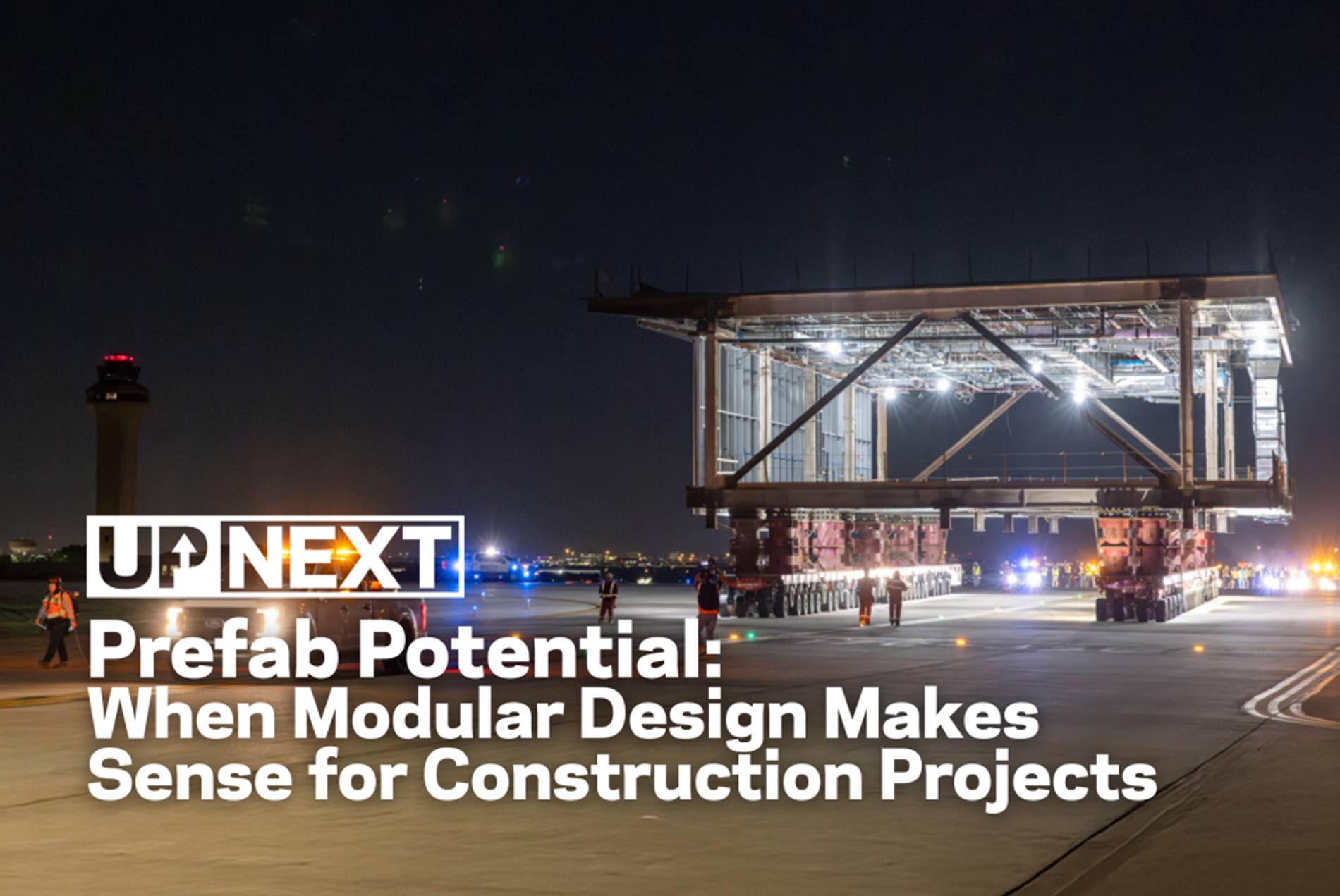
In a recent HOK Up Next panel, experts from architecture, engineering and construction discussed where modular construction delivers the most value and when traditional methods may still be the better choice.
Modular construction has long promised faster timelines, greater predictability and reduced operational disruptions. Today, interest in modular strategies is perhaps greater than ever as project teams face tighter schedules, complex sites and growing infrastructure demands.
But modular construction is not a universal solution. Understanding when it works and when it does not requires early collaboration and a careful evaluation of project conditions.
Those themes emerged during the recent HOK Up Next with:
- Luke Bridle, Director of Transportation at HOK
- Matt Breidenthal, Director of Engineering at HOK
- Joseph Lawless, Senior Engineer at Mammoet specializing in heavy lifting, transport and installation of large-scale infrastructure
The conversation explored modular construction’s expanding role across markets, including aviation, transportation, healthcare, scientific and civic infrastructure; the conditions that make modular successful; and the realities project teams must consider before pursuing it. Watch the full panel discussion and read the key takeaways below.
Where Modular Construction Delivers the Most Value
The panelists began by discussing where modular construction is gaining traction and why certain projects benefit more than others.
1. Expanding across industries:
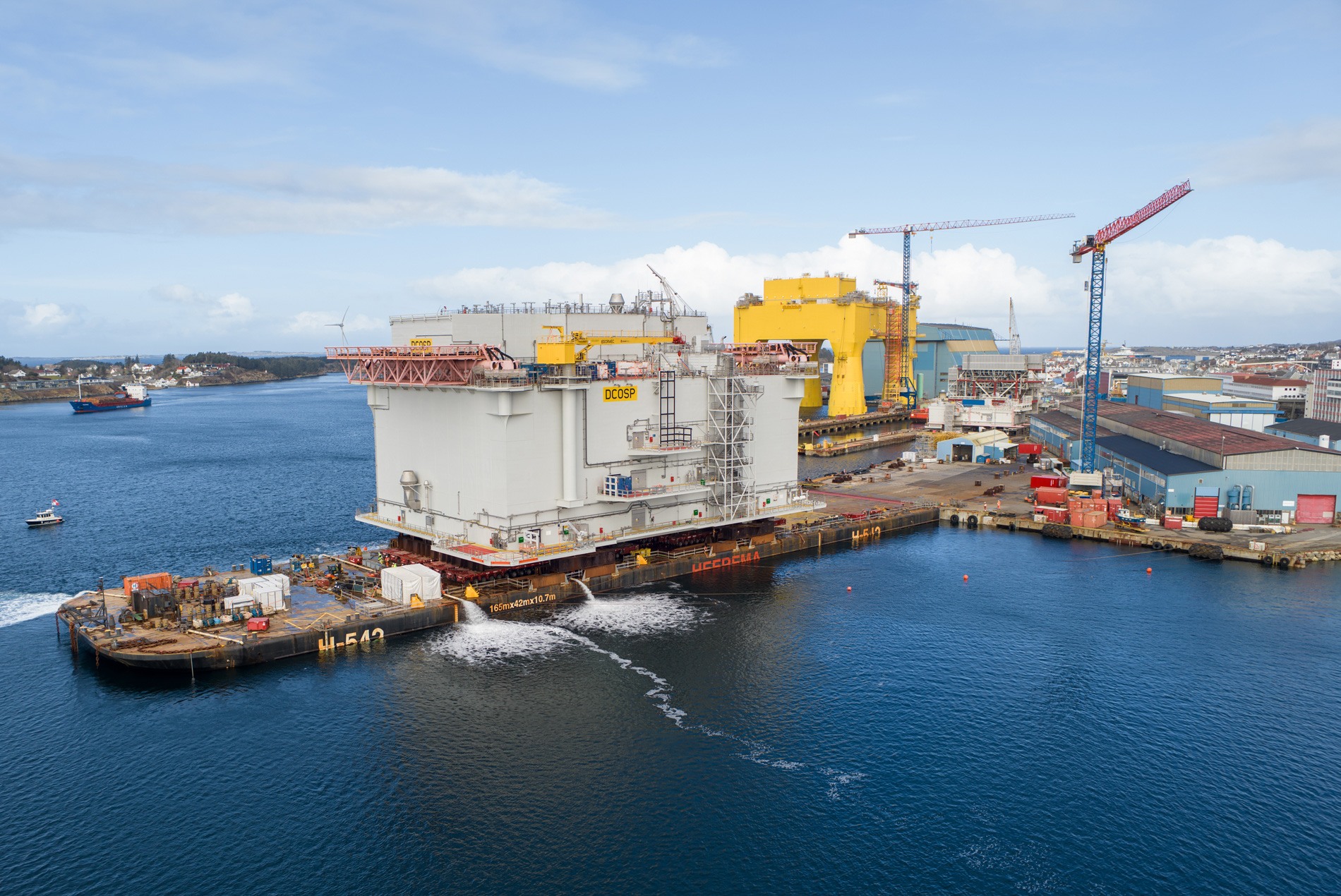
Mammoet transporting the Dogger Bank Wind Farm substation, the world’s largest offshore wind farm, from its prefabrication site. Image courtesy of Mammoet.
Modular construction, which historically has been popular in heavy industrial sectors like offshore platforms and refineries, is increasingly being used for civic buildings, airports, laboratories, hospitals, sports facilities and transportation centers.
Breidenthal noted that HOK has incorporated modular strategies across dozens of projects over the past decade, often as part of broader prefabrication approaches. As interest grows, these methods are becoming more prevalent across the construction industry.
2. Ideal for complex or active sites:
Active environments like airports, train stations or healthcare campuses often benefit the most from modular construction, allowing them to maintain operations while reducing disruptions from construction.
Bridle described a rail station project where modular concourse elements could be installed above active tracks, allowing trains to continue running during construction. In another station renovation, temporary modular corridors will be installed so passengers can move through the facility while renovation work continues around them.
“The idea of developing a kit of parts within transportation has been a tried-and-true path forward for the design process,” said Bridle.
3. Schedule advantages and compressed timelines:
One of the biggest advantages of modular construction is the ability to fabricate components off-site while site preparation occurs simultaneously. Since large portions of work occur in parallel rather than sequentially, teams can shorten the overall construction schedule while maintaining quality and safety standards.
Why Early Collaboration Is Essential
While modular construction offers clear advantages, the panelists emphasized that success depends heavily on early collaboration between designers, engineers and construction teams.
1. Plan for modular from the start:
Modular strategies cannot be introduced late in the design process. Structural systems, fabrication strategies and transportation logistics must align with the modular approach early in the project.
“This is not something where you can just push the ‘modular button’ midway through construction documents,” Breidenthal said. “There are a lot of conversations in early design phases to do this right.”
2. Construction expertise must be involved early:
Construction and logistics experts should be engaged as soon as modular construction is being considered.
“The instant the word ‘modular’ comes out of your mouth, we want to be involved,” said Lawless. “We can point you in the right direction to help the project be more successful.”
Early collaboration can uncover small design changes that improve efficiency. In one example, Lawless recounted a project that required multiple days of heavy-lift operations that could have been avoided by a simple change to the build site.
3. Alternative delivery methods support modular strategies:
Project delivery models such as design-build or progressive design-build often align well with modular construction because they bring contractors into the design process earlier. That early collaboration allows teams to coordinate structural design, fabrication and installation logistics from the outset.
Logistics, Access and Safety Often Drive the Decision
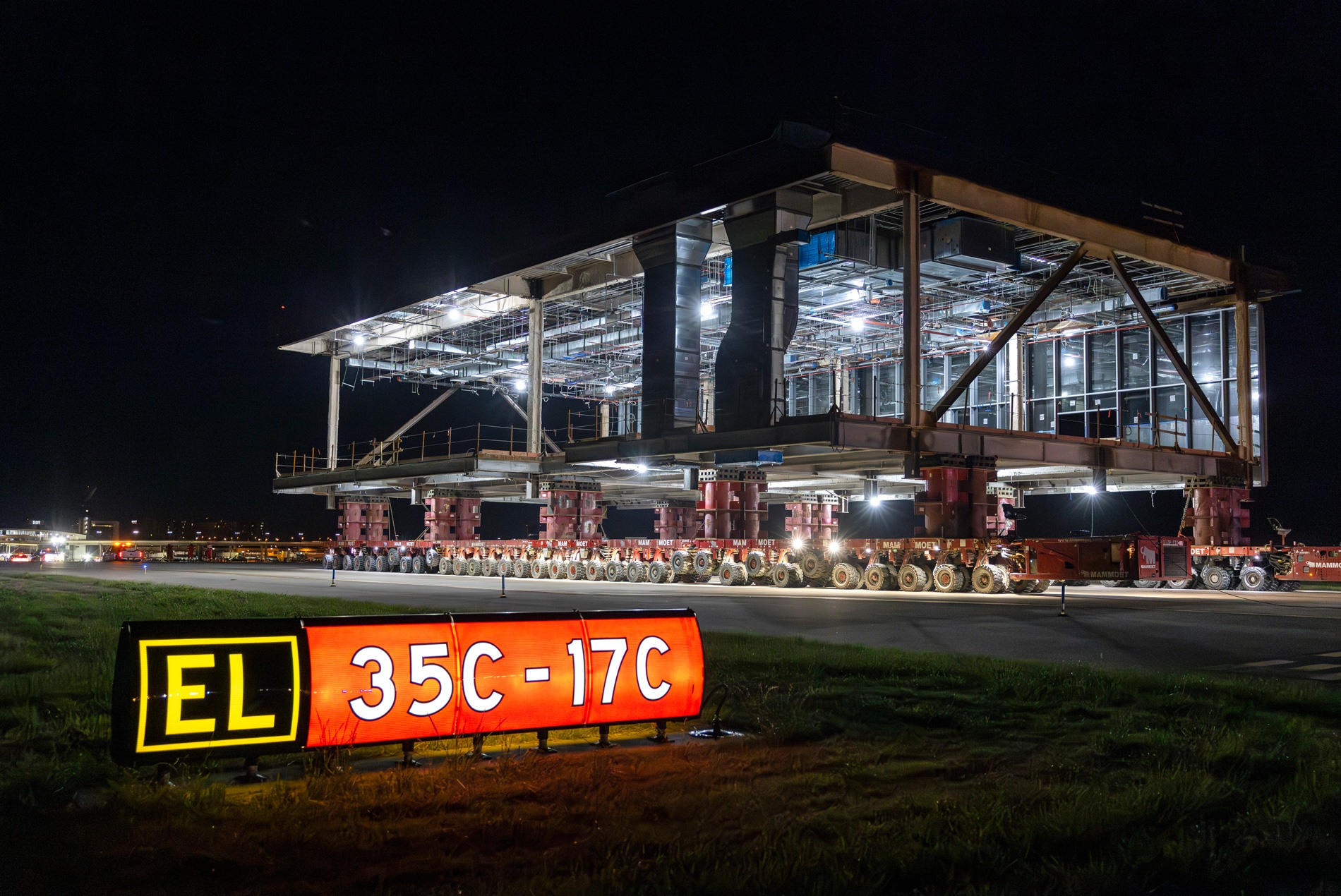
Megastructure modules for DFW’s Terminal C expansion were built offsite in a prefabrication yard and moved across the airfield to their final location. Image courtesy of Dallas Fort Worth International Airport.
While speed and efficiency are often cited as modular construction’s advantages, logistics frequently determine whether the approach makes sense.
1. Difficult access favors modular construction:
Many infrastructure sites, particularly airports, present access challenges due to security restrictions, limited staging areas and transportation constraints. For example, workers at a secure airport site may spend several hours each day going through security protocol at the beginning and end of their shift.
Off-site fabrication allows much of the work to occur in more accessible locations, improving productivity and lowering schedule disruptions.
2. Reducing disruption to communities and operations:
Traditional stick-built projects can take longer to complete, impacting surrounding communities. Modular construction, on the other hand, changes the game.
Lawless described a bridge installation in Detroit that required a seven-day interstate closure. While disruptive in the short term, the modular installation avoided months of construction that would have significantly affected travelers using conventional methods.
Weather and Climate Shape the Strategy
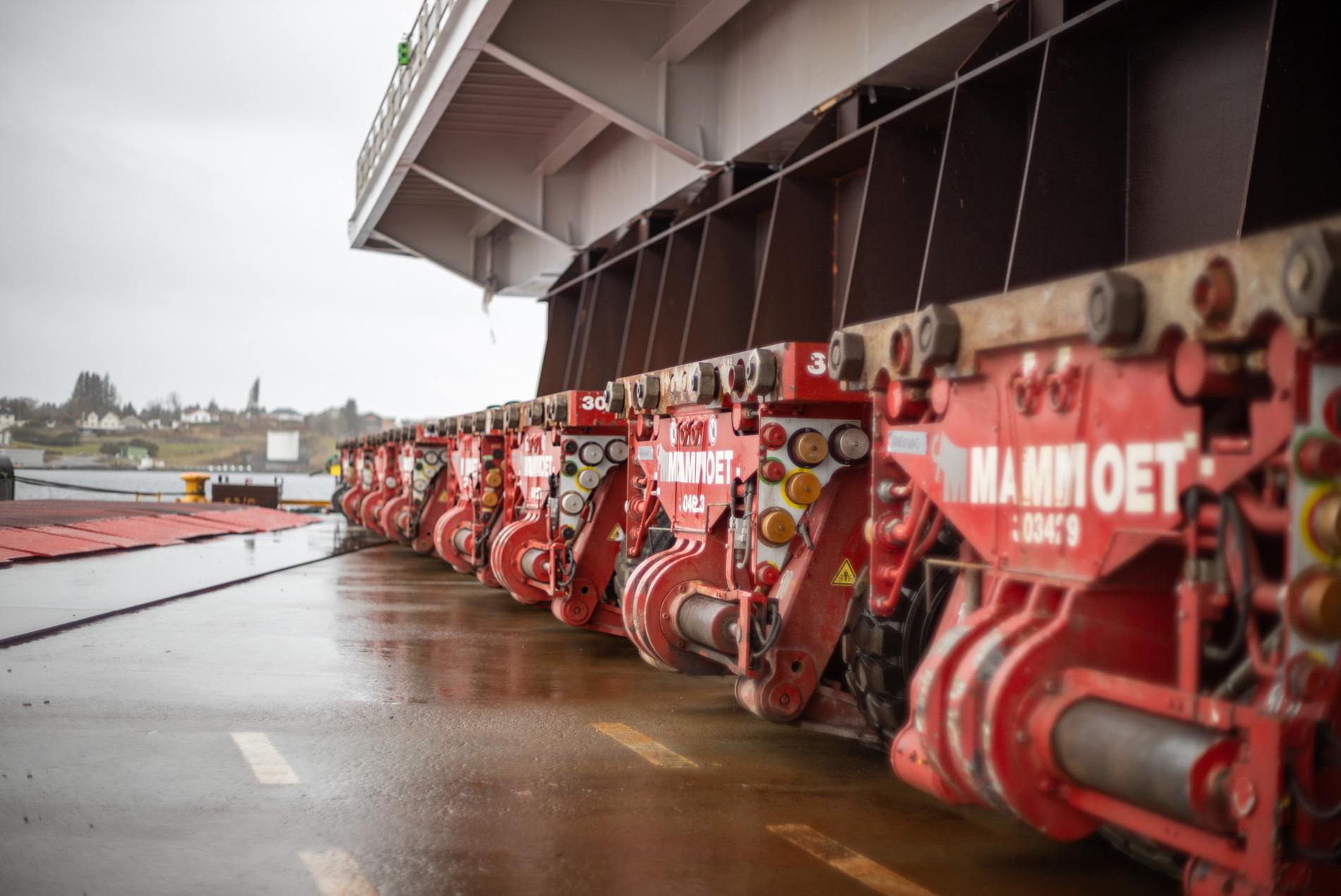
Mammoet transporters operating in rainy weather conditions. Image courtesy of Mammoet.
Weather and climate conditions can influence whether modular construction is the right approach.
Fabricating building components in controlled environments like large fabrication halls can help teams avoid delays caused by extreme temperatures, wind or precipitation.
Even when modules are built outdoors, off-site construction can allow teams to stay ahead of schedule, reducing the risk that weather delays will impact the overall project timeline.
Installation operations can also be more resilient to certain conditions. Lawless noted that modular installation can often proceed during light rain or moderate winds that might halt conventional crane operations.
However, weather still plays a role in planning. Breidenthal explained that large structural modules expand and contract with temperature, meaning installation sometimes must occur within specific temperature ranges to avoid unnecessarily locking additional stress into the structure. In regions with large seasonal swings, those factors can influence both design decisions and construction schedules.
A Strategic Tool, Not a Universal Solution
The panel concluded with a shared perspective that modular construction is a powerful strategy when applied thoughtfully.
Successful modular projects tend to share several characteristics:
- Early collaboration between architects, engineers and construction teams
- Modular strategies embedded from the concept phase
- Careful evaluation of logistics, access and site conditions
When those factors align, modular construction can help teams deliver complex projects faster and with less disruption. The key is understanding when modular strategies add value and when traditional construction approaches are the better fit.