Electric vertical take-off and landing (eVTOL) aircraft and autonomous electric vehicles are moving quickly from pilot programs to pieces of real urban infrastructure and mobility. Archer was named the official air taxi provider for the 2028 Los Angeles Olympics, transporting fans to the games while also supporting emergency services. At the same time, autonomous robotaxi services from Waymo and Zoox are already operating in cities including Phoenix, Las Vegas, San Francisco, Los Angeles, Austin, Atlanta and Miami, with expansion underway in additional U.S. markets.

For city leaders and planners, this shift raises an important question: how do we prepare cities and their infrastructure for these new forms of electric mobility, ensuring that they improve mobility access, reduce emissions and strengthen urban life rather than disrupt it?
New Mobility, New Urban Nodes
eVTOLs and autonomous electric vehicles introduce new travel nodes into the urban fabric. Vertiports, rooftop landing pads, charging hubs and autonomous vehicle depots may sit on top of buildings, within adapted parking structures, or near hospitals, airports and major event venues. These systems require planners to consider vertical space, airspace and power infrastructure, along with streets, as part of a connected mobility network for everyday transit.
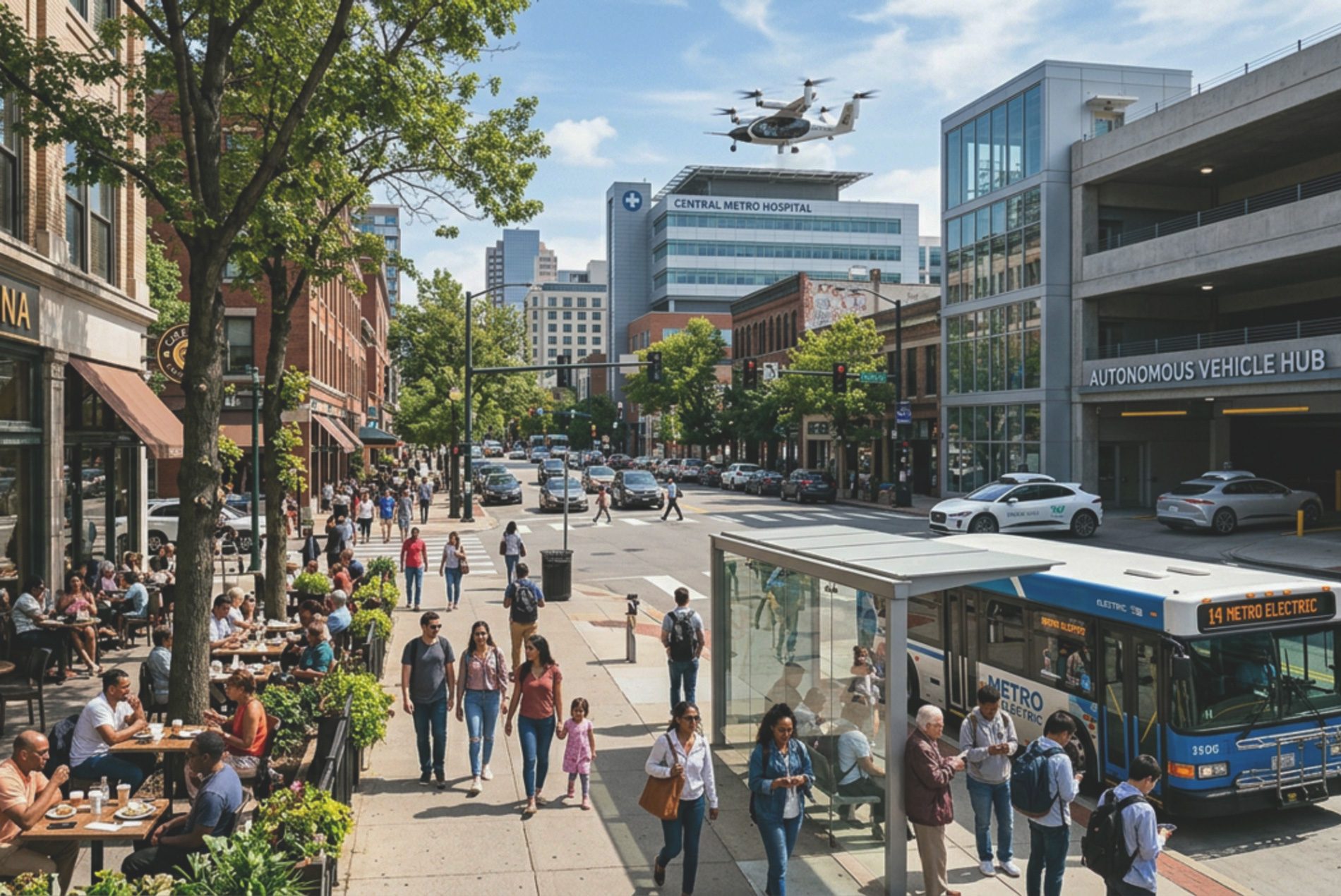
When thoughtfully planned, these nodes can shorten commutes to airports, support rapid access to medical facilities, and offer new ways to move people to dense destinations like stadiums and convention centers. Since these vehicles run on electricity and produce no gas emissions, they also support cities’ broader sustainability goals.
The challenge is ensuring that benefits are realized without creating new friction points for communities. This is where urban planning and design are key.
Designing for Integration, Not Disruption

The success of these systems depends on how well they integrate into existing transportation networks and city infrastructure. eVTOLs and autonomous vehicles should connect seamlessly with transit, airports and pedestrian routes, supporting first- and last-mile travel rather than competing with buses or rail. Poorly located hubs and charging stations risk shifting congestion from streets to curbs, rooftops or neighborhoods, while well-placed facilities can relieve pressure and improve overall system performance.
Urban design also plays a critical role here. The placement of landing pads, charging areas and passenger drop-off zones must balance accessibility, safety, noise and visual impact. Adaptive reuse of existing buildings and infrastructure can reduce cost and disruption while helping these new modes feel like a natural extension of the city rather than an overlay.
Power, Space and Long-Term Flexibility
Electric mobility at scale requires a clear understanding of power demand. Charging these electric fleets places new loads on local grids, particularly during peak travel periods. Cities and planners must consider whether charging should be distributed across multiple sites or concentrated in larger hubs, and how on-site energy storage or renewable sources can support reliability.

Equally important is flexibility. These technologies will evolve, and infrastructure designed today must be adaptable tomorrow. Facilities that can accommodate multiple uses, or shift between passenger service and other functions, are more likely to remain valuable over time.
One of the opportunities with autonomous electric fleets is their ability to operate beyond traditional peak travel hours. During periods of low passenger demand, these vehicles can transport goods or assist with logistics and emergency response. Designing facilities with this flexibility in mind improves utilization and strengthens the case for investment.
Keeping People at the Center
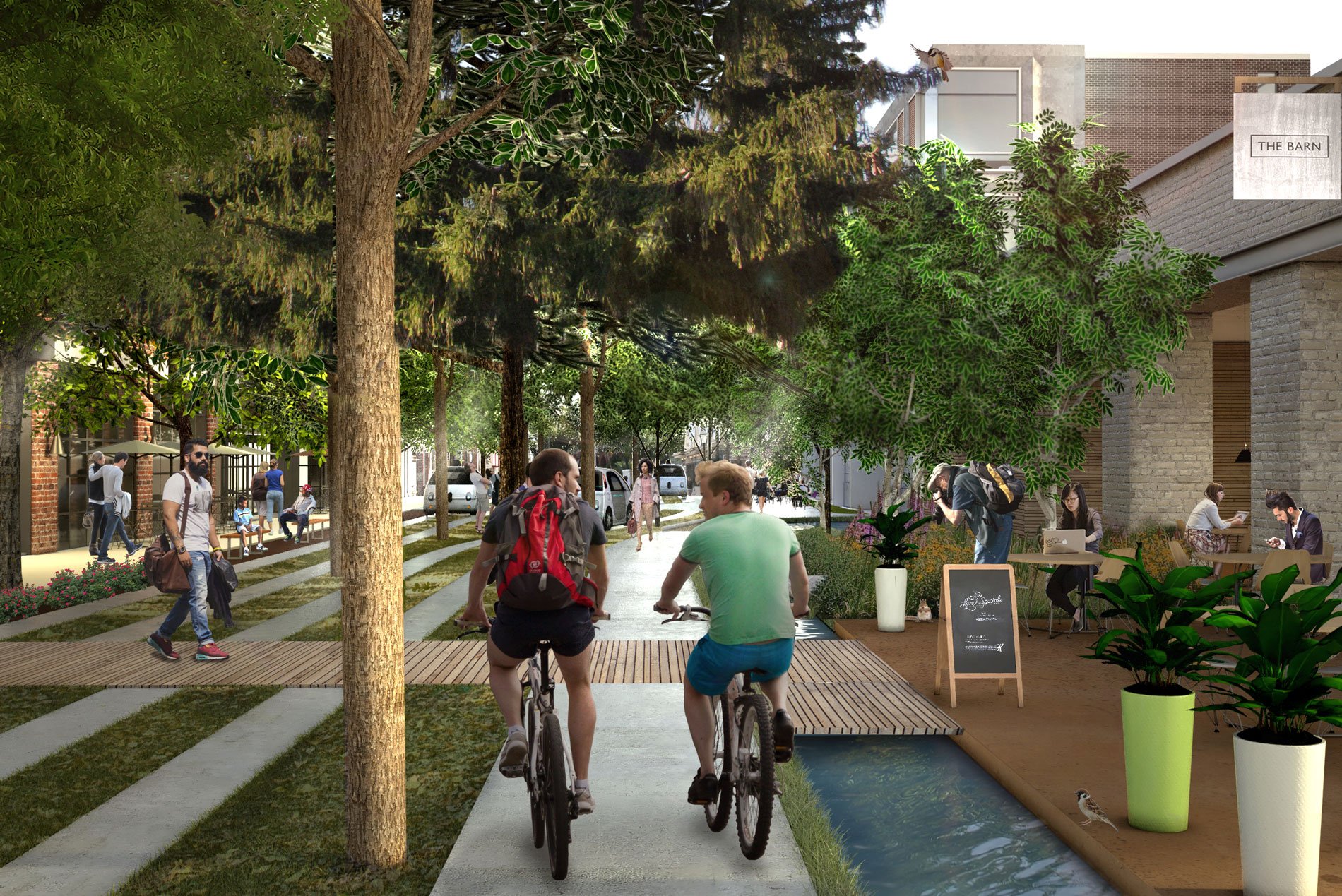
As with any updates to infrastructure or changes to daily life, public acceptance matters. Noise, safety and visual impact of eVTOLS and autonomous electric vehicles must be addressed through thoughtful siting, design and community engagement.
Equal access is also essential. Without intentional planning, these systems risk serving only a narrow segment of users. When aligned with broader mobility goals, they can expand access to jobs, healthcare and services across a wider range of communities.
Planning Ahead
eVTOLs and autonomous electric vehicles are no longer distant concepts. They are emerging components of urban transportation systems, and their physical presence will shape cities in lasting ways.
By planning location, integration, power and design now, city leaders can ensure these new mobility modes enhance the urban experience and help move people more efficiently, sustainably and thoughtfully in the years ahead.
Want to know more? Connect with the author.
Brian Jencek is the director of HOK’s planning and landscape architecture practice and a member of the firm’s board of directors and global design board. Based in San Francisco, Brian leads city planners, urban designers, landscape architects and environmental designers across HOK’s global network of studios.
Contact Brian at brian.jencek@hok.com.