We design buildings to last for generations. But we know that the assumptions that went into creating them won’t last nearly that long. A workplace interior might last at least a decade. The building itself can last 70 years or more, and public spaces like parks and plazas can last much longer. The challenge for us as designers is that a lot happens over 70 years. People’s responsibilities change, and so does what they need from their surroundings.
In more than four decades of designing workplaces, I’ve sat through more presentations than I can remember about what the newest generation wants and how it will change the office. But what about the people who stay there for decades? Or who come back after time away? If we focus solely on the new arrivals, we risk ignoring the changing needs of everyone else. And even worse, we can turn a generational profile into a permanent description of someone’s needs. But as people mature, their needs, priorities and situations evolve.
Consider the moment we are in. In 2025, the first Gen Xers turned 60, some Baby Boomers began “unretiring,” Gen Z solidified its place in the workforce and the oldest Gen Alphas entered high school. The year also marked the beginning of Gen Beta, a generation expected to grow up with AI and automation embedded in everyday life. Five generations, from Baby Boomers through Gen Alpha, each at a different stage of life, will soon share our workplaces, campuses and public spaces.
Many of our institutions still assume people are living the traditional model of orderly, predictable lives. The script is familiar: get an education, work for 30 or 40 years, retire and live into your 70s. That script never fit everyone, but as people live longer it’s even less accurate. That math no longer adds up.
This issue reaches beyond the workplace. As designers, we need to build more flexibility into all the spaces we design so they can adapt as people’s needs change.
Living Longer and Better
By 2025, adults age 65 and older made up 10.5% of the world’s population and, for the first time in recorded history, outnumbered children age 5 and younger. Those numbers are only heading up. And while I will never be 20 again, most 26-year-olds will be my age one day. By 2050, the number of people aged 60 and older is projected to double to 2.1 billion.
As many as half of today’s 5-year-olds in the United States could live to 100, and Harvard Medical School genetics professor David Sinclair believes someone who could reach 150 may already be alive.
Lifespan measures how many years we live. Healthspan describes the years we’re able to live without experiencing a serious disease or disability. And if we are living longer, we will likely have to work longer. Longer lives may mean people will need more years of care. But if healthspan increases along with lifespan, they’ll have more freedom to decide when and how they retire.
Author Marc Freedman has described older adults as “our only growing natural resource.” With fertility rates declining in many countries, fewer births mean fewer people will be coming into the workforce. Barring changes in migration and care systems, fewer people may be available to fill jobs and care for older adults. The effects extend beyond caregiving to labor markets, retirement systems, healthcare spending and our broader economy. So, what are we going to do about this?
A Less Linear Life
To start with, we need to stop treating education, work and retirement as fixed, consecutive stages. Learning doesn’t end when people enter the workforce. As longer healthspans make longer work lives possible, we may be looking at 50- or 60-year careers that include regular retraining and upskilling—and even completely new careers. Some will take time away to care for a family member and return to work later. Others will retire and discover that they want, or need, to work again. Maybe they’re bored. Maybe they need health insurance. We already have a word for this: unretiring.
There is also a hard financial logic at play. Unless we are willing to accept a decline in our standard of living later in life—a nonstarter for most people—living longer than our savings can support simply means working longer. That is why the rethink has to start early. We can’t wait until the doorstep of retirement to confront our biggest fears: outliving our health, our finances, our relationships and our purpose. The shift needs to begin in our 20s, not our 60s.
But we can’t just bolt another decade or two of full-time work onto the end of a career and call that a plan. We need to account for people who will need to change their hours and responsibilities as their personal circumstances change.
Someone entering the workforce may eventually need to raise children, care for an aging family member or go back to school. Maybe they’ll need to do all this at the same time. Their birth year can’t tell us when they might take on those roles or what kind of support they’ll need. This is why we need to move beyond generational profiling toward life-stage support.
Beyond Generational Labels
Research backs this up. Leesman’s workplace data found smaller differences between younger and older workers than stereotypes suggest. McKinsey similarly concluded that “work preferences are more similar than different across age groups.” Gen Zers may place somewhat more value on flexibility, career development and meaningful work, but employees across age groups rank many of those same factors near the top of what they want from a job.
Much of what we attribute to generation is really a function of life stage. Many 20-year-olds are idealistic and driven—not because they are Gen Z, but because they are 20. Ambition tends to come at the start of a career, stability becomes a priority in midlife and legacy and mentorship take center stage as people mature. These are markers of where someone is in life, not the year they were born.
Generational experiences will always matter. Growing up during a recession, for example, or with ubiquitous social media, will leave a mark. But those experiences can’t tell us what someone will need at every stage of a long, healthy life.
Rethinking Work, Learning and Care
The effects of longer, healthier lives will be felt across society and the economy.
Employers will need to hold on to experienced employees and their institutional knowledge while creating paths for younger employees to keep learning and advancing.
Colleges and universities may find themselves serving the same person three or four times over a career. This changes how they offer education and what they need to do to make everyone feel welcome on campus.
Longer lives also will pressure care systems. People balancing work with providing care for children, partners or aging relatives will rely on the services available near where they live. Their ability to keep working may hinge on something as practical as finding reliable care close to home.
Longer lives will also test our social ties. With fewer children being born, more people may reach later life without relatives nearby. At the same time, younger adults report high levels of loneliness and are marrying and having children later. As ties to churches, clubs and neighborhood groups have weakened, the places where people work, learn and gather will increasingly be where they find connection.
Healthy longevity can create what researchers call a longevity dividend: the social and economic benefits of people staying healthy and involved for more of their lives. Our institutions need to give people opportunities to use those additional years in ways that matter to them.
This points to a mandate for human sustainability: not just adding years to life, but adding life to years. It rests on three shifts: physical resilience, so our spaces and systems keep us mobile and healthy; financial agility, moving from static retirement models toward longer, more flexible working lives; and societal purpose, so that as we age, we remain integrated and valued contributors.
What Science May Change
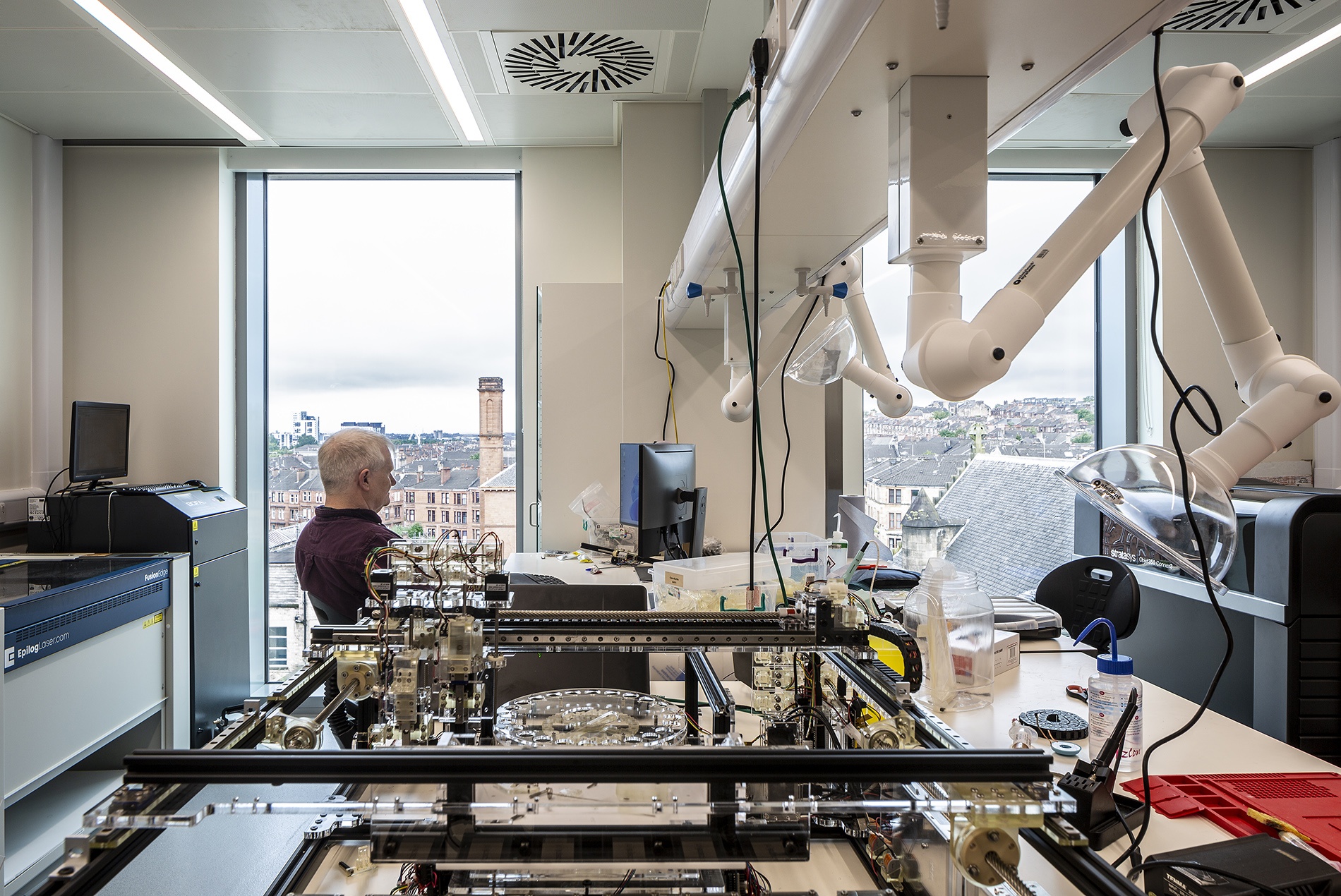
Scientists are testing whether effects of aging can be reversed at the cellular level. In 2026, a first-in-human trial of a treatment using partial epigenetic reprogramming began in people with age-related optic nerve conditions. The treatment is intended to return aging or damaged retinal cells to a more youthful state. Whether it’s safe or effective is unknown, but the hope is that rejuvenating aging cells could eventually reverse some age-related decline and give people more healthy years.
Some technologies are already helping people manage their health and stay independent for longer. AI-enabled wearables, in-home sensors and other digital health tools help people monitor chronic conditions, detect falls and manage their medications. These technologies will have an even greater impact as they become more affordable and easier to use.
Nobody knows how far medical advances will extend lifespan or healthspan. But even modest gains could change what people need from their homes, workplaces and healthcare environments. More care will happen at home. People will stay in their workplaces and communities longer. The places we design will need to respond.
The Changing Design Brief
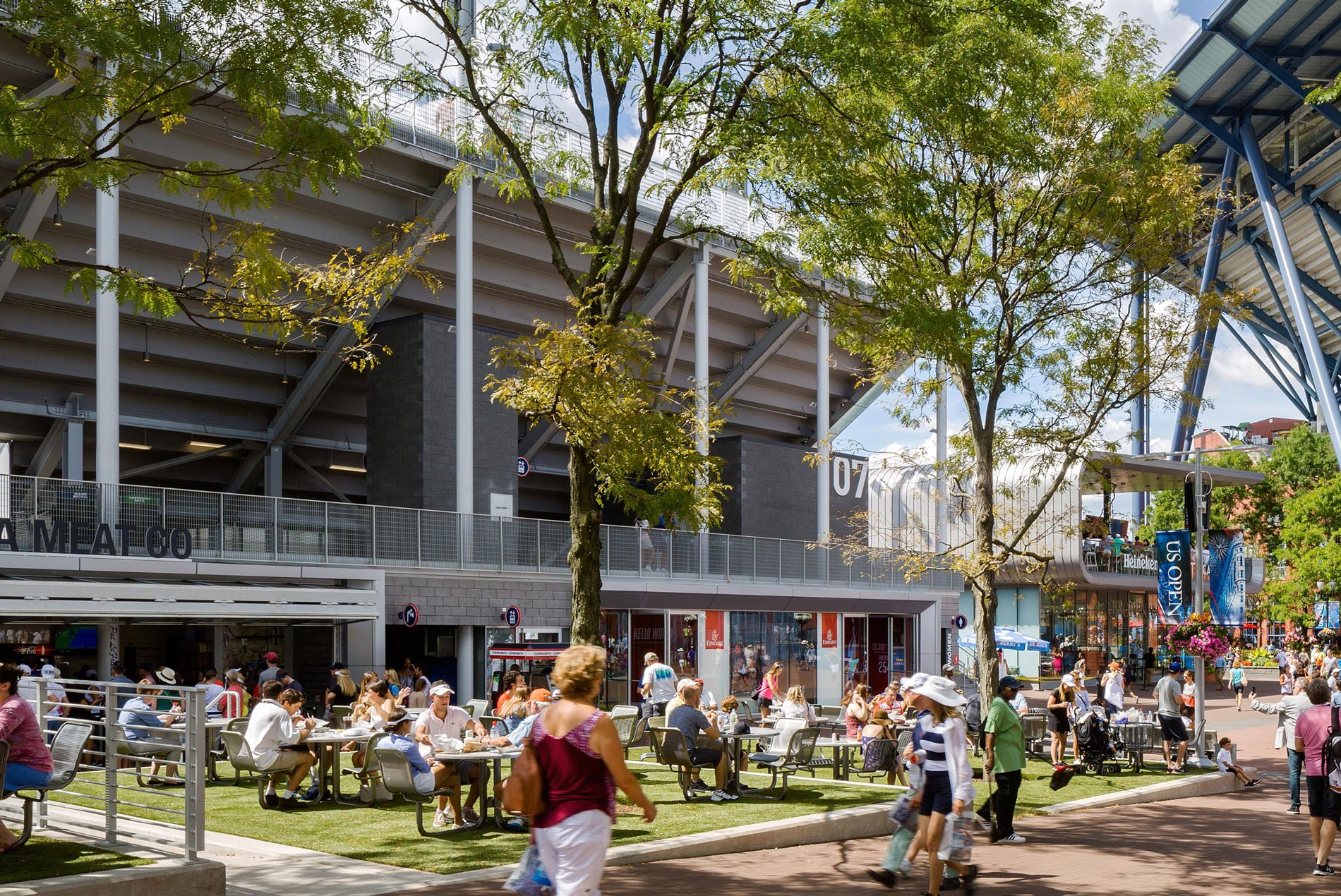
Longer lives will change what people need from every type of place we design.
- How should a workplace support someone as their physical, sensory or cognitive needs change over a longer career?
- How will healthcare environments respond to age-related conditions and growing pressure on caregivers?
- What does a college or university need to offer an individual returning to school decades after their first degree?
- How can scientific workplaces retain and pass on specialized expertise that takes years to develop?
- How should cities adjust their transportation systems and public spaces to help older people get around and continue to participate in everyday life?
- How can housing help people stay in their homes, or live alongside other generations, as their needs change?
- How should hotels and other hospitality settings welcome guests of every age and ability?
The answers will vary for each place, but the underlying challenge is the same: People and their needs will change long before many of the places they use do.
We’re already aware of many barriers. Steep stairs and hard-to-reach cabinets, for example, can make a home difficult to live in as mobility declines. Decisions made when a home is built can affect whether someone is able to stay there several decades later.
We also need to avoid making too many assumptions. Though I’ve never met a “typical worker,” we keep designing for one. Older and younger people won’t all have the same needs.
HOK’s work in neuroinclusion and neuroaesthetics gives us a valuable starting point. When we began designing for neurodivergent employees, we learned right away that the solutions were anything but narrow. When we designed for the extreme, we saw that we benefited the mean. Because people experience the same space differently, we need to give them choice, variety and control. A quiet waiting area in a clinic, clear signage in a transit station or a calmer corner of a student center can serve people at every age and stage. We’ve spent decades removing physical barriers, but far less time considering the sensory and cognitive changes that can come with age.
Neuroaesthetics adds to our understanding of how a place affects people inside it by examining how the body and brain respond to art, beauty and the built environment. Together, neuroinclusion and neuroaesthetics can help us design places that continue to work as people’s needs change over a lifetime.
Yet altering the physical space alone isn’t the solution. A well-designed healthcare facility doesn’t give a family caregiver more hours in the day. A welcoming campus won’t help a returning student if the courses they need all conflict with their job. If we change the environment without addressing how the organization works, we’ve set people up to fail.
Designing for Change
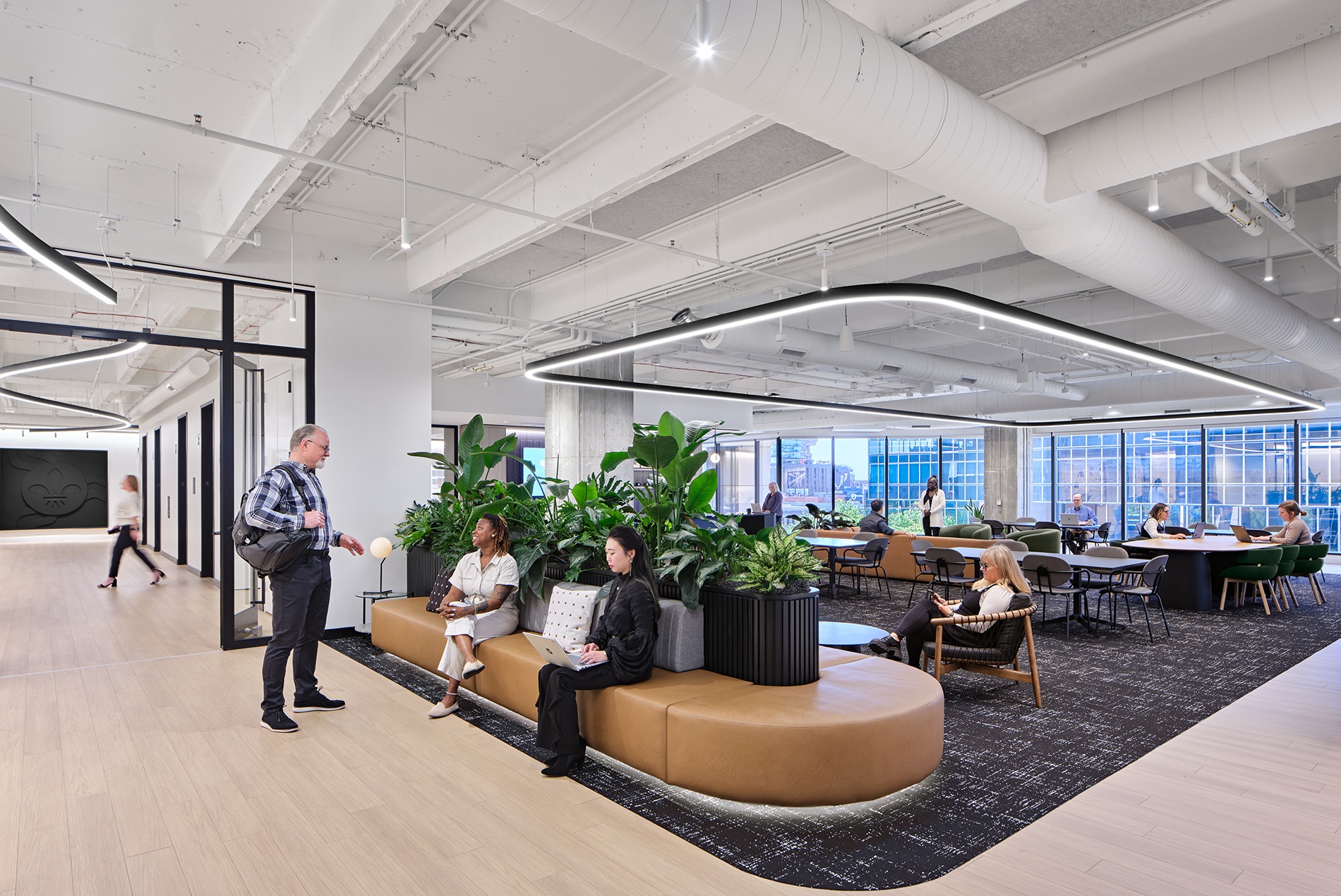
Longer lives will bring so many exciting opportunities. People will be able to start new careers, spend more time with family or put more time into interests they’re passionate about but just never had the time to pursue.
As designers, we need to question fixed assumptions about age, generation and ability and help make it possible for people to keep doing the things that matter to them. The person entering a building today may return decades later with different needs and a different reason for being there. We can’t predict all the changes, but we can design places with the flexibility to adapt.
A building designed around one fixed idea of its users will become obsolete decades before its structure does. Designing for longevity means making sure our assumptions don’t age faster than the places built around them. Designing well for every age and stage can help turn longevity from a burden to be managed into a resource to be celebrated.
This is the first in a series on how longer lives are reshaping the places we design. Our next article examines what this means for the workplace: how design and organizational practices can support people whose needs change over longer careers.