Rogers Place and the ICE District
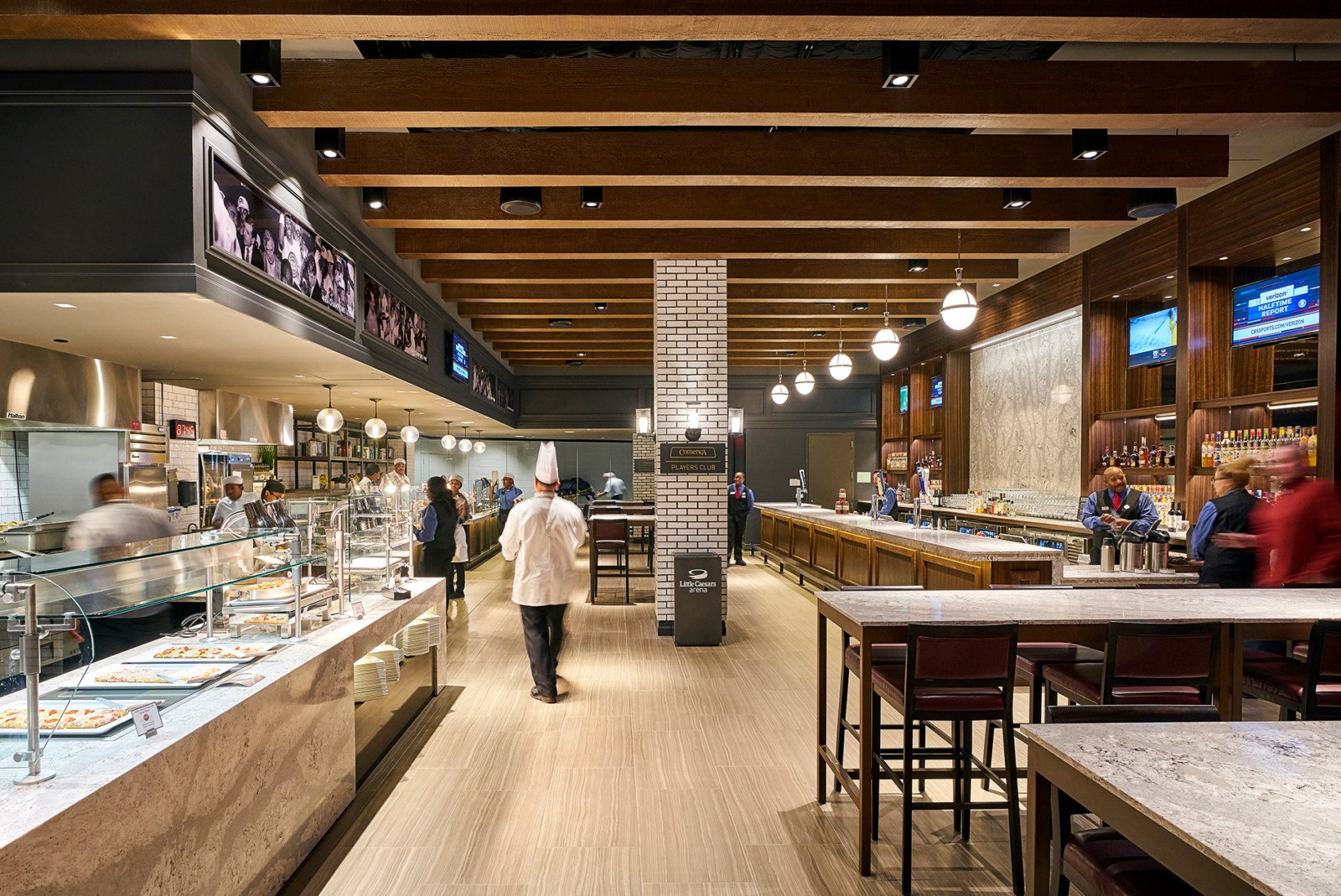
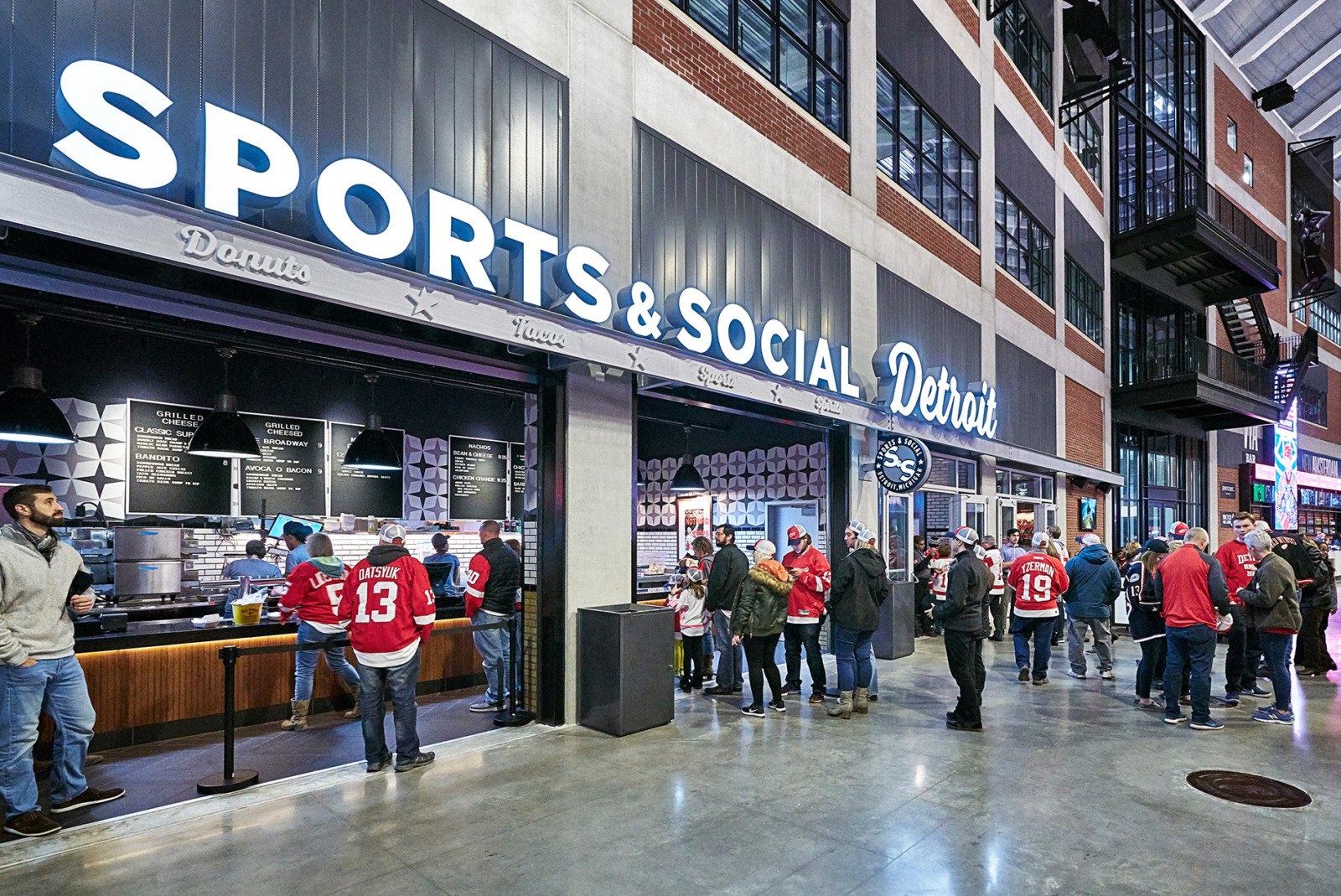
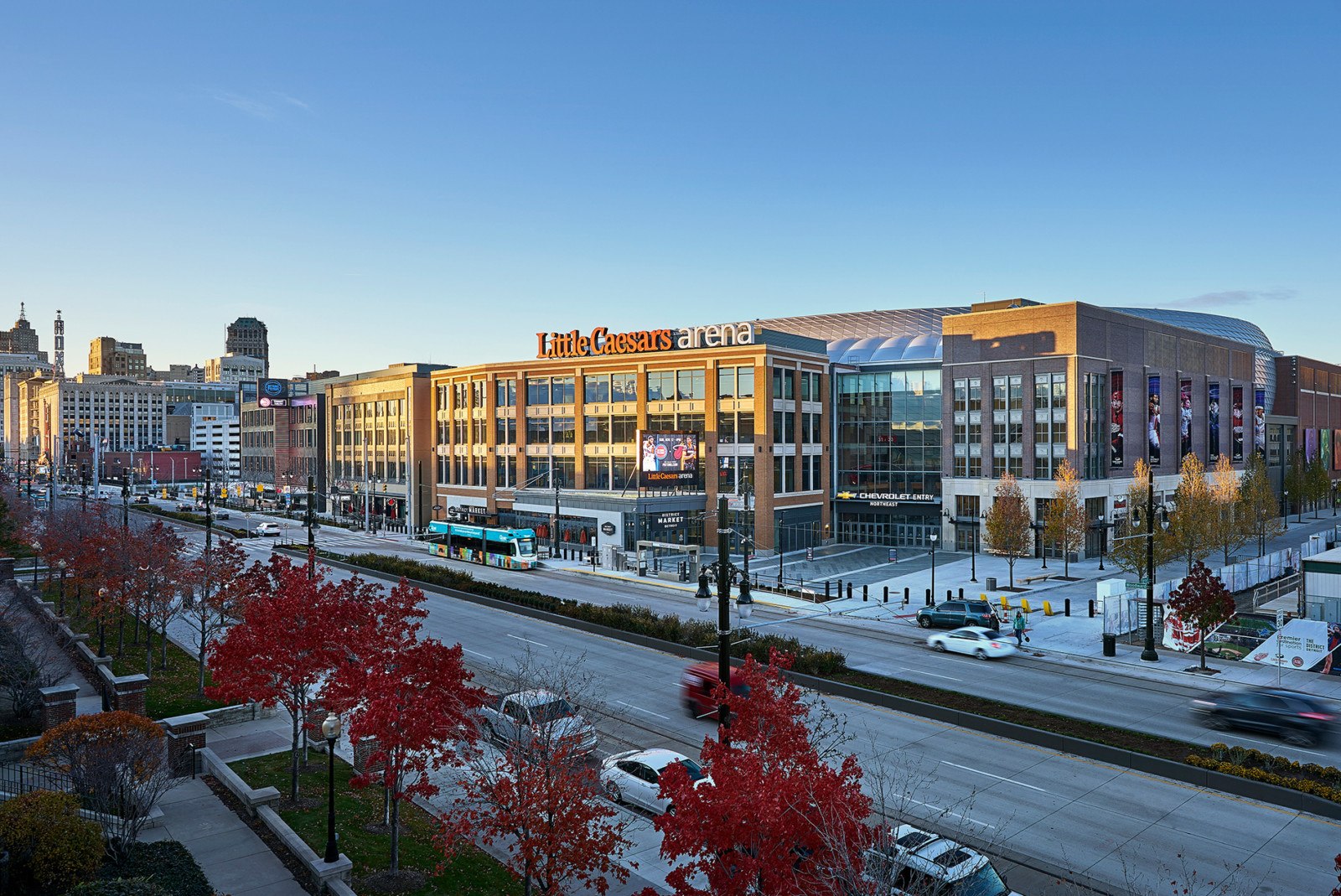
Most urban arenas sit empty between games, cutting off neighborhoods from valuable street life. Little Caesars Arena, home to the NHL’s Detroit Red Wings and NBA’s Detroit Pistons, operates as active civic infrastructure 365 days a year by weaving public dining, retail and office space into the building fabric.
Design Solutions
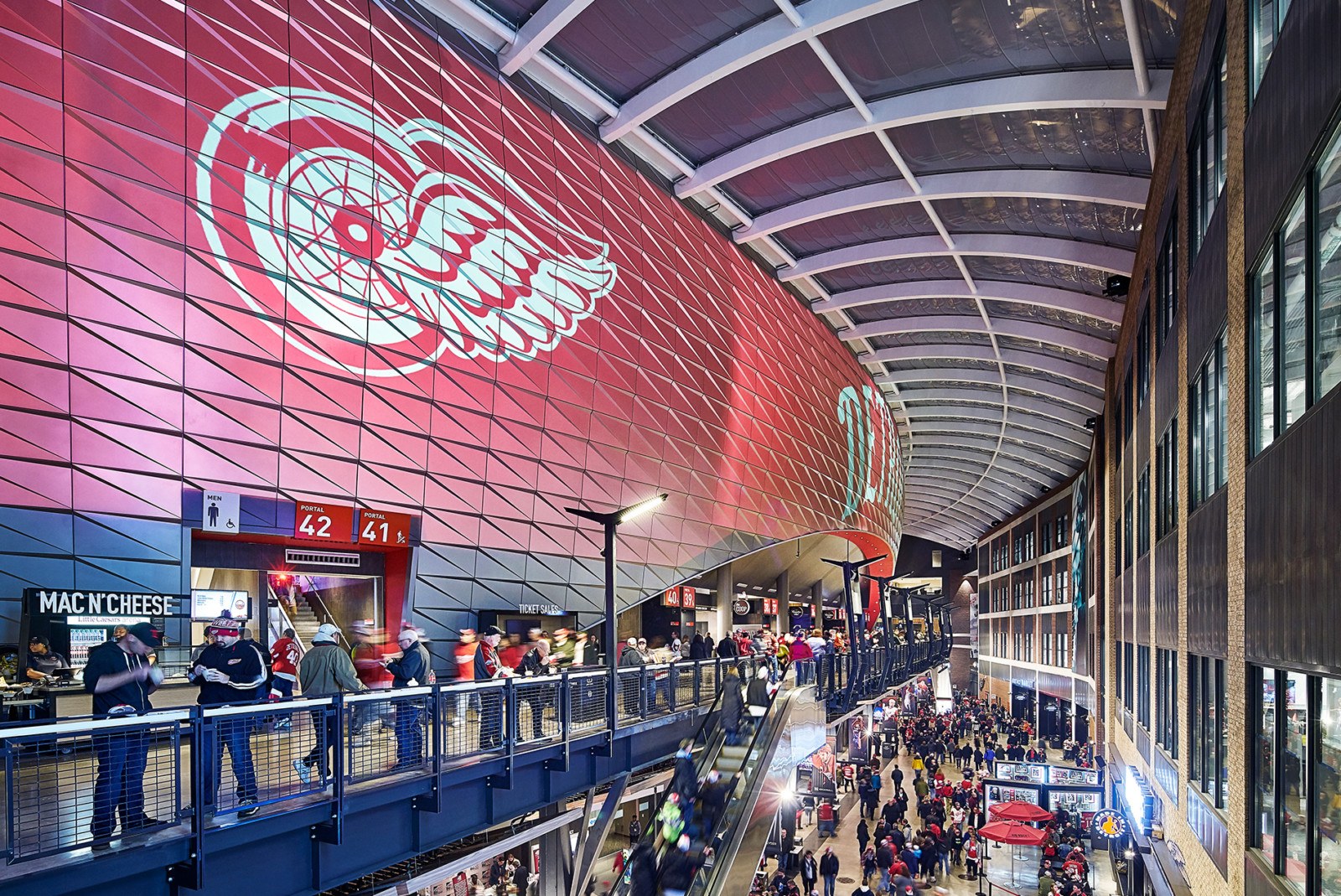
The arena’s defining feature is the Via, a 61,000-sq.-ft. central concourse enclosed by a translucent ETFE roof structure. This light-filled, temperature-controlled public corridor connects street-level restaurants, shops and office space directly to the seating bowl, allowing neighborhood visitors and ticketed fans to share the same circulation spine. The design blurs the boundary between arena and district, making the building permeable rather than fortress-like.
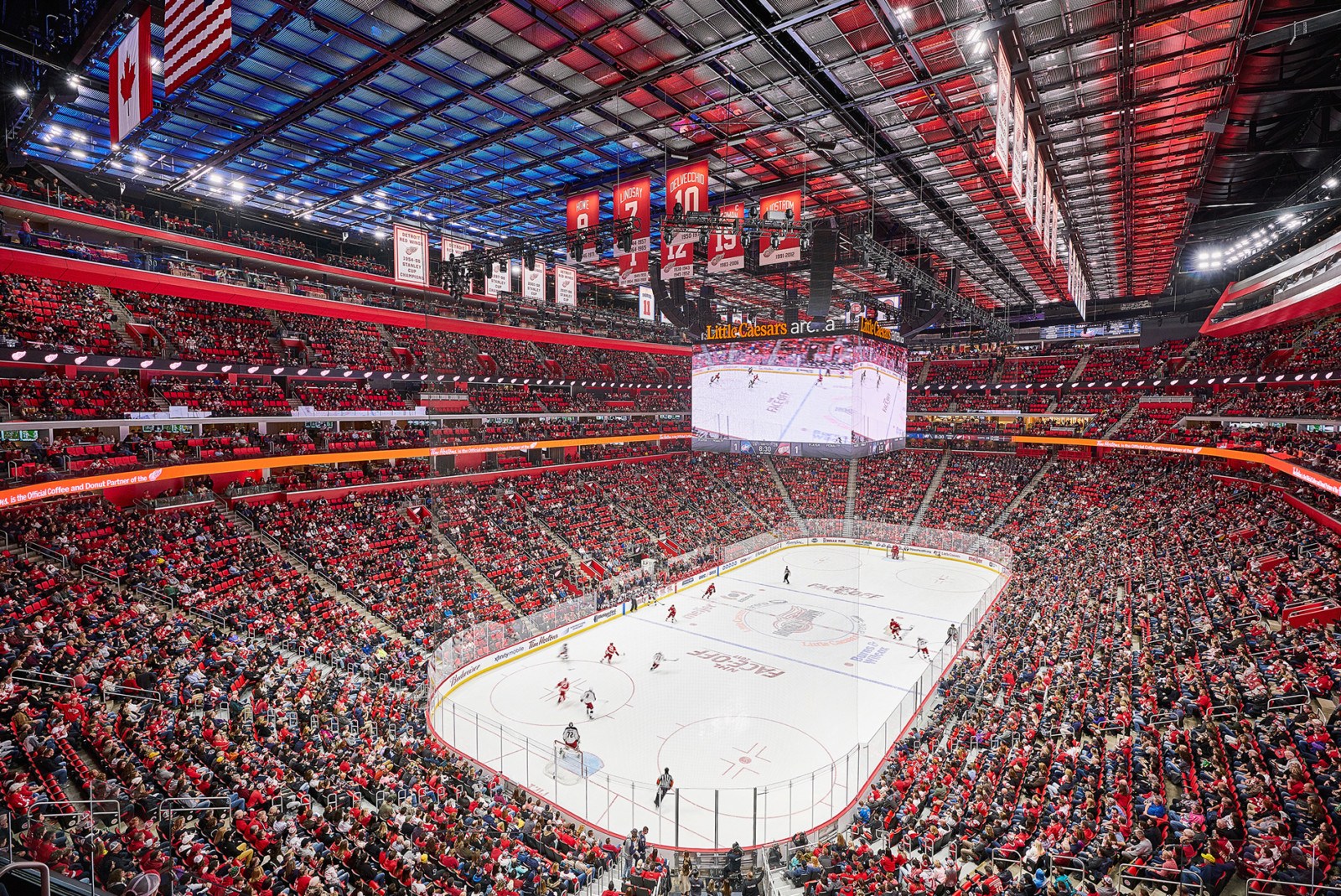
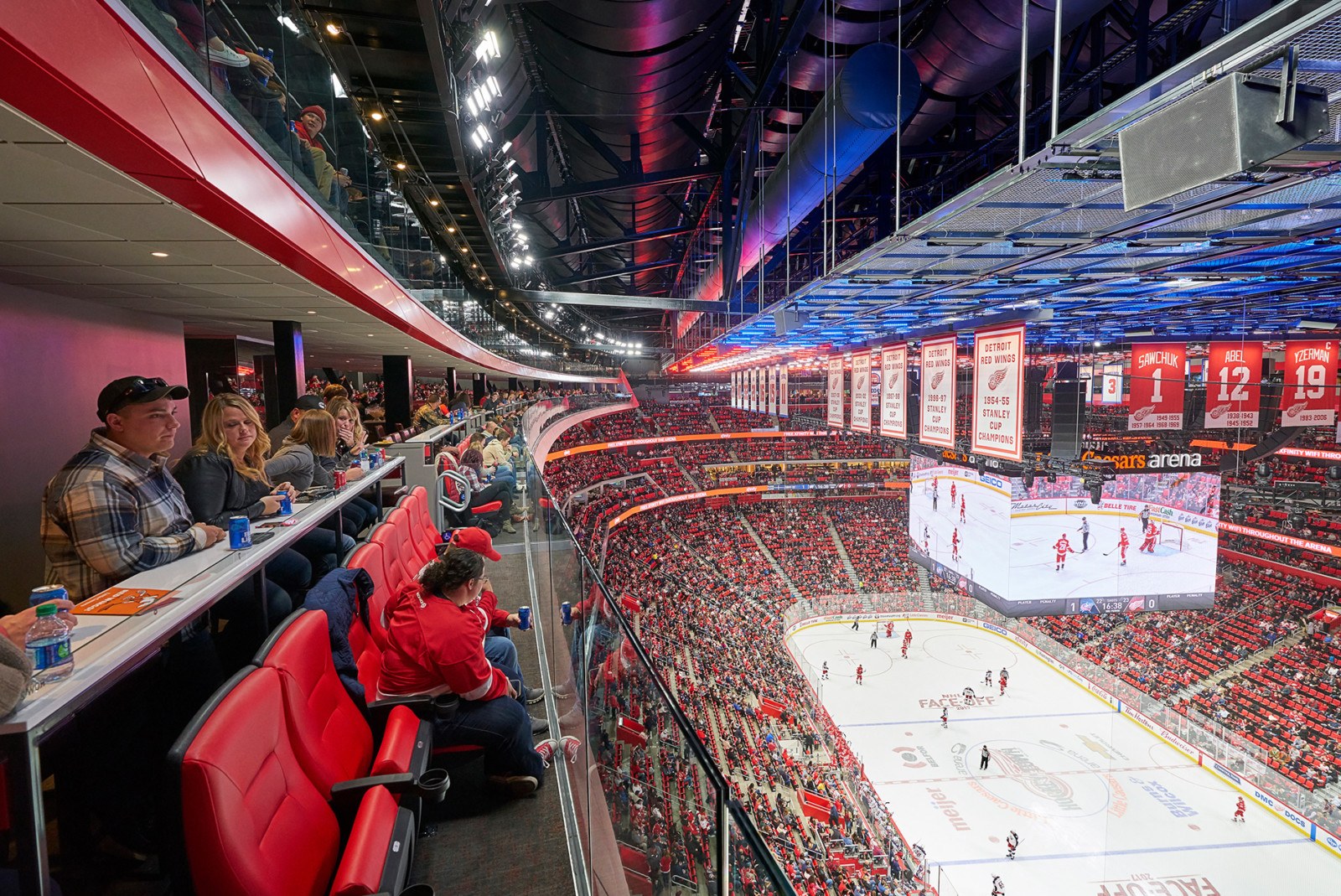
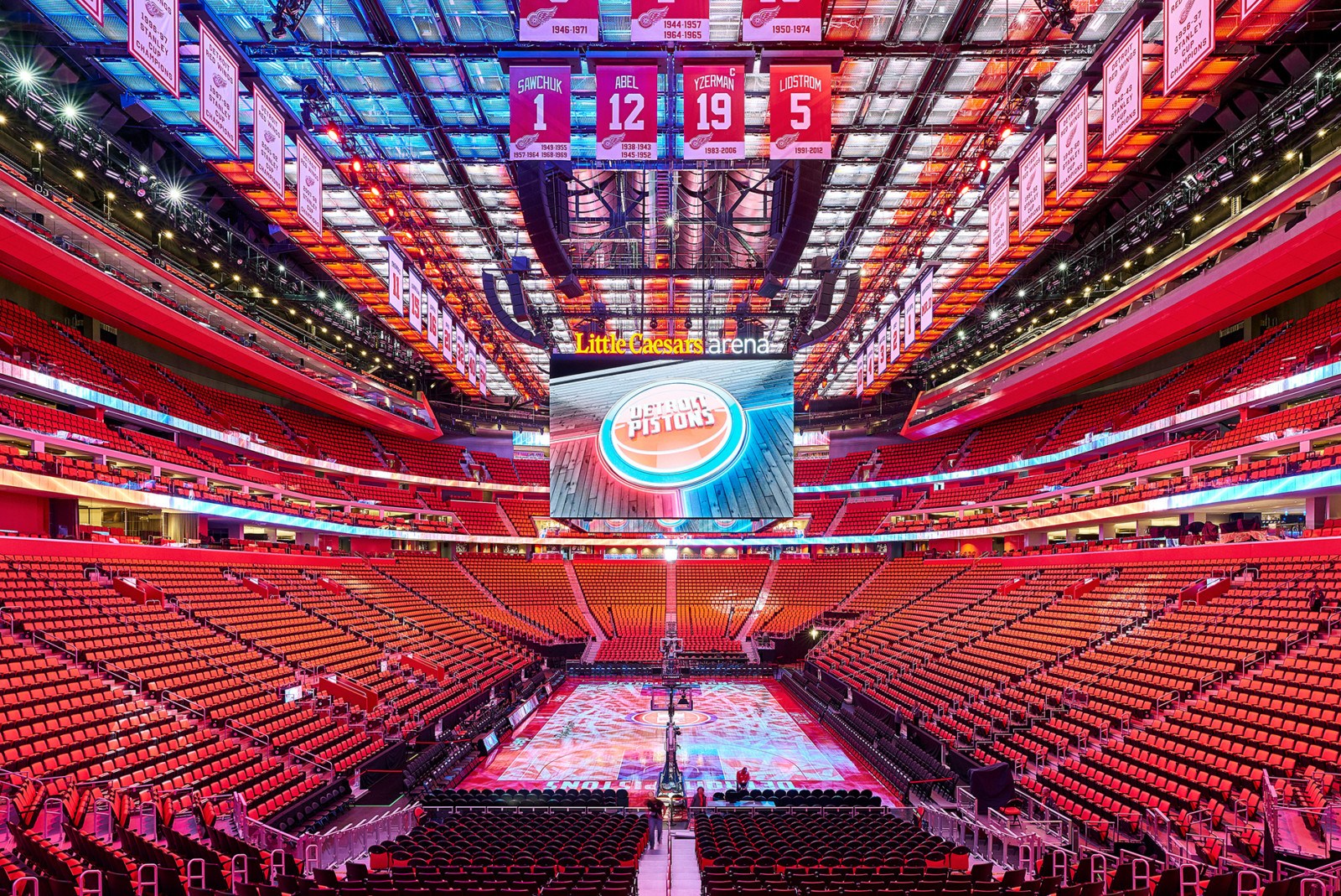
The seating bowl descends steeply below grade, concentrating 18,500 spectators close to the playing surface in a configuration inspired by historic arenas. Sight lines improve as vertical “walls” of fans amplify energy during events. Gondola suites suspended from the roof and other premium seating options provide variety without diluting intimacy.
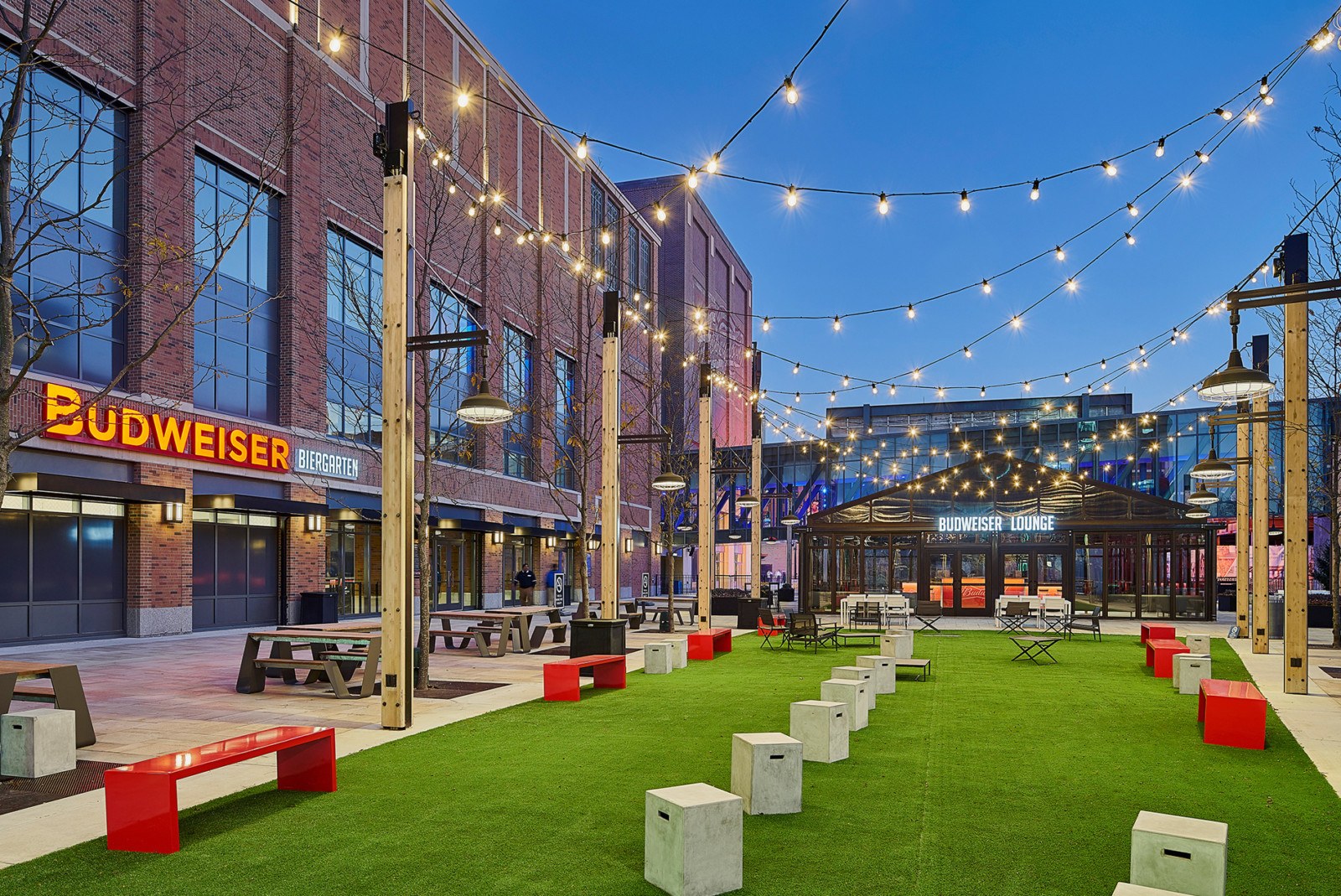
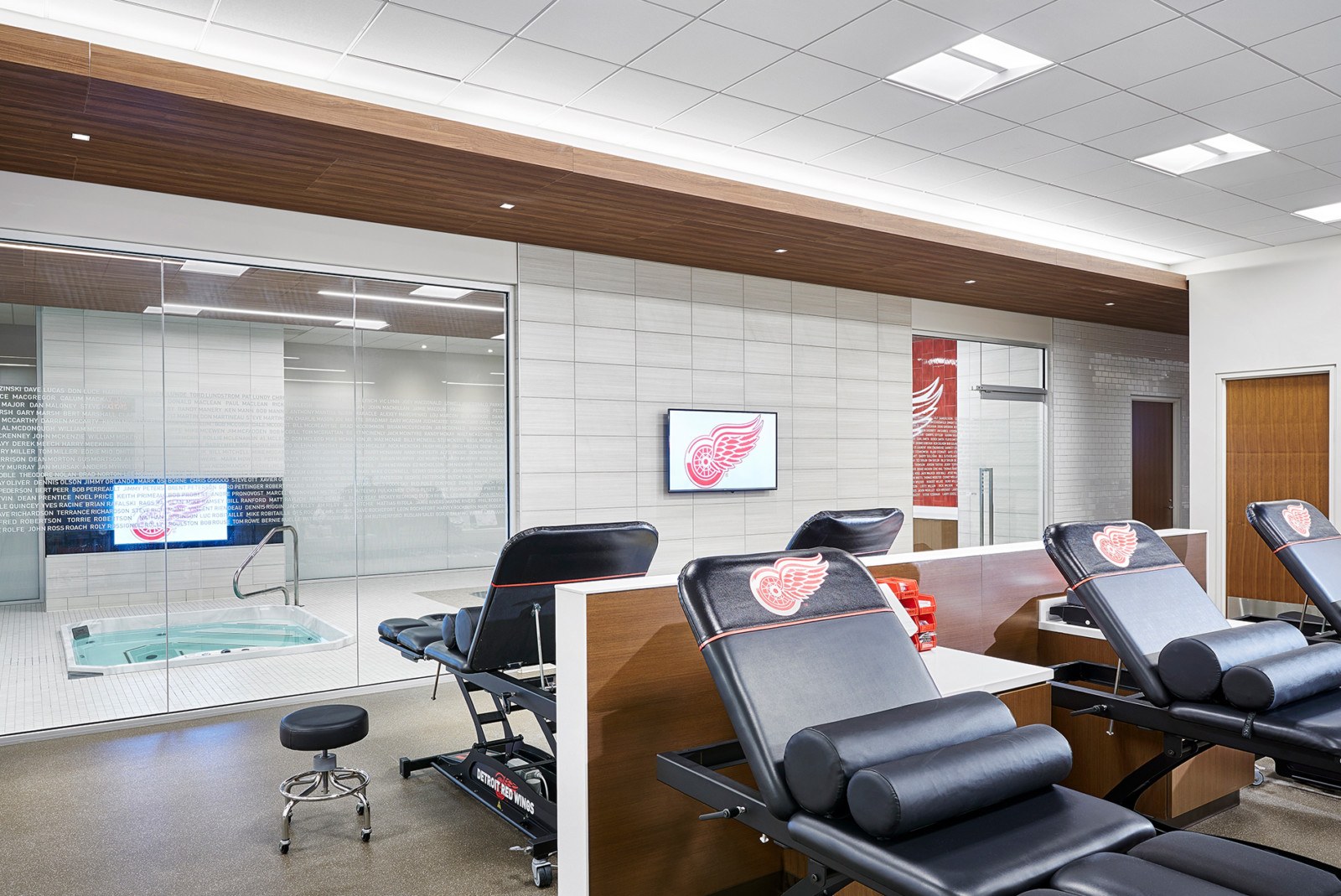
Brick and glass perimeter buildings house ground-floor retail and upper-level commercial workspaces, contributing urban density to The District Detroit, a 50-block mixed-use development linking downtown and midtown. An outdoor events plaza anchored by a large LED video board extends programming beyond the arena’s interior walls. A community ice rink and the Red Wings’ training facility occupy dedicated spaces within the complex. The project achieved LEED-NC Silver certification.
Impact
The Sports Business Awards named Little Caesars Arena Facility of the Year, recognizing the building’s integration of sports, commerce and public gathering. The Via and perimeter storefronts draw pedestrian traffic on non-event days, activating streetscapes in a district historically defined by surface parking and single-use structures.
CERTIFICATION
LEED-NC Silver
SIZE
819,000 sq. ft. / 76,090 sq. m.
KEY FEATURES
18,500 seats
Translucent ETFE-enclosed Via concourse with year-round public access
Below-grade seating bowl with improved sight lines
Integrated community ice rink and NHL training facility
Brick-and-glass perimeter with retail, dining and office space
Outdoor events plaza with large LED video board
Awards
Sports Business Awards Facility of the Year, 2018