Building life sciences facilities was an appealing investment during the height of the COVID-19 pandemic. Biotech companies, suddenly flush with cash thanks to a spike in funding, sought bigger and better labs to capitalize on expected market growth. Commercial real estate investors responded to the demand, many of them building facilities on spec.
Today, the labs delivered between 2022 and 2024 carry nearly a 50% vacancy rate, with 61 million square feet available for lease, according to JLL. As federal funding is uncertain and venture investors favor other sectors, such as AI large language models, many life sciences companies have less available capital than anticipated.
The lab market will take nearly seven years to absorb half the currently available space, JLL predicts. In the meantime, the oversupply places downward pressure on asking rents and lowers property values.
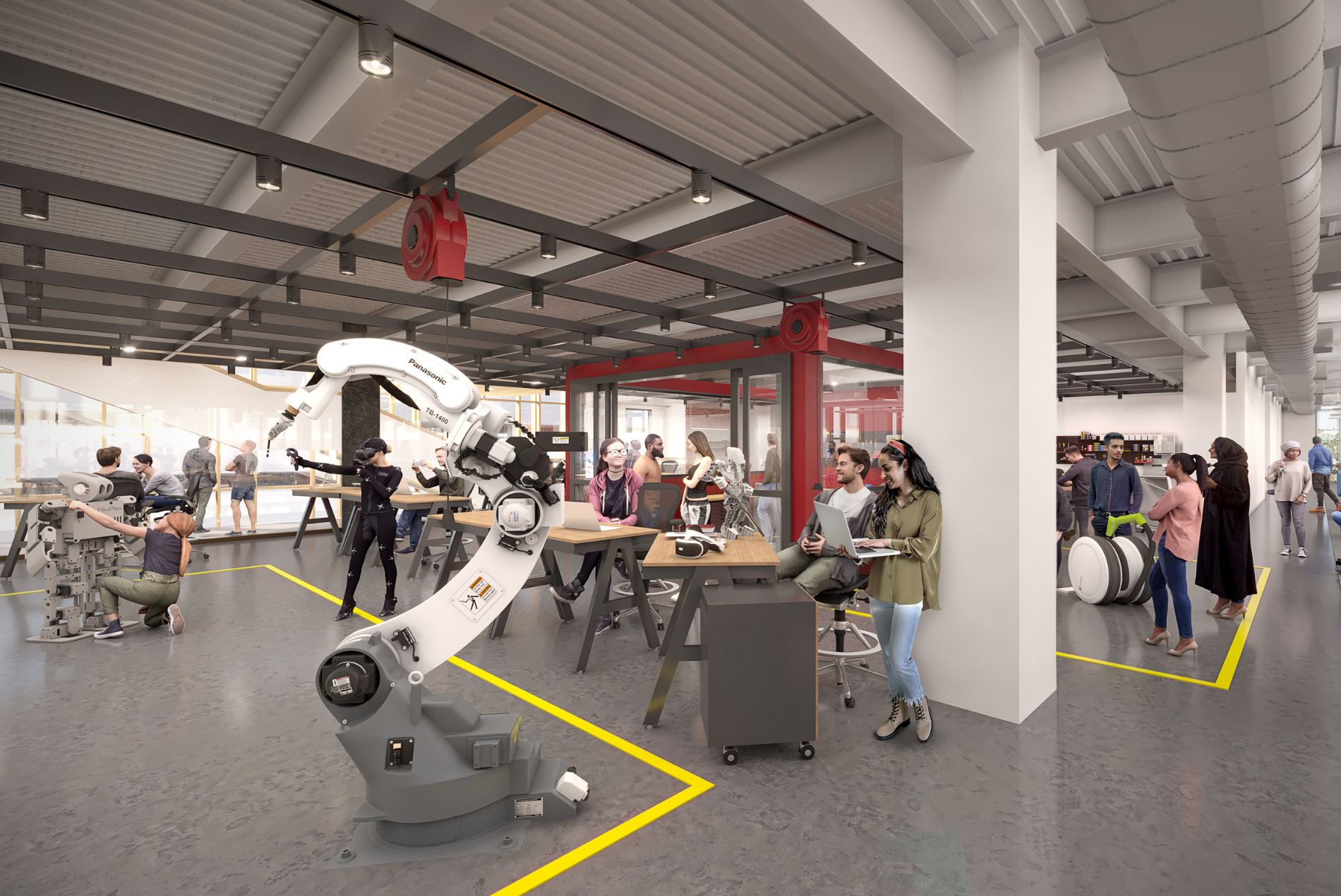
To capture the existing value of life sciences properties, some building owners are repurposing their facilities to attract advanced tech clients, whose space needs (and available capital) often exceed those of other tenants.
Although this type of repositioning might seem costly, Ashor says adapting existing infrastructure to support tech R&D and compete for tenancy is often more feasible than it appears. Here, Ashor draws from two decades of experience in lab planning, programming and design to offer advice for building owners considering this pivot.
What makes advanced tech tenants a good fit for life sciences facilities?
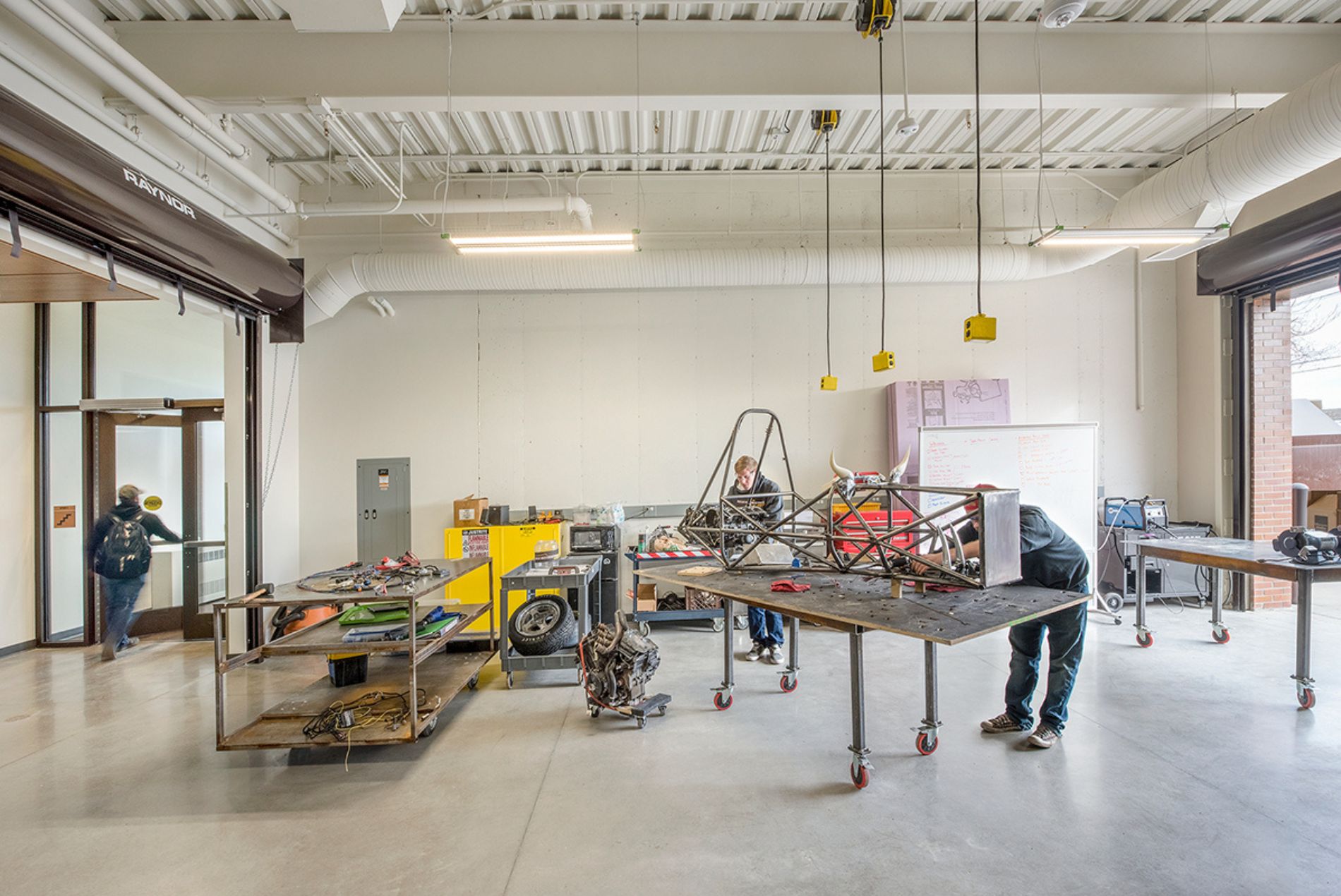
Leslie: A rapidly growing number of advanced tech companies require lab-based amenities to operate, and buildings designed to support life sciences tenants are typically constructed with systems that fit the basic requirements for advanced tech R&D labs. These include vibration and temperature controls, hazardous materials storage, ventilation and exhaust systems, loading docks and service elevators, backup power and other capabilities that would go unused by tenants seeking standard office space only.
How can a life sciences building owner determine what tech needs they can accommodate?
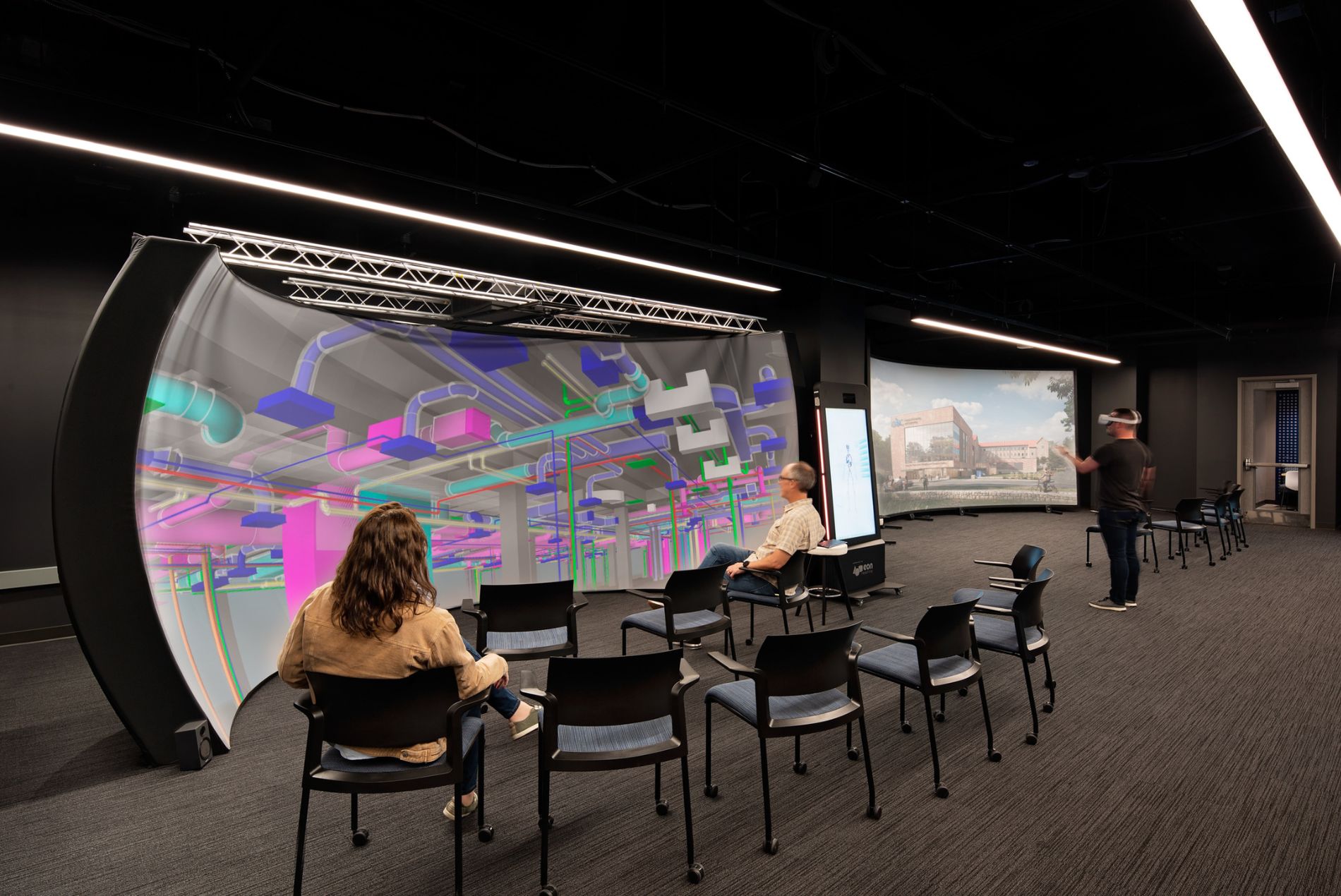
Most life sciences facilities can accommodate tenants in need of light-duty lab functions—such as electronics work and sensor development, small-scale robotics and VR/AR/XR recording and visualization—without the need for additional building investments. Still, much of the existing infrastructure will sit unused.
To compete for tenancy among clients whose needs are more complex, investors may choose to add to or modify the building’s existing systems. This requires a thorough review of zoning restrictions, building codes, structural capacity limits and retrofit costs to determine if a repositioning is both feasible and practical. An architect or lab planner can identify opportunities and hazards that others might not.
What are the most cost-effective modifications a building owner can make to cater to advanced tech?
Assuming a repositioning makes sense, building owners might find the best ROI by leasing for tech R&D functions that utilize the majority of the space’s existing services with a few key additions, such as specialty gas storage spaces to meet specific requirements, increased power density and vibration damping, or acoustical accommodations. These modifications can make the facility better suited for tenants who require more specialized labs for materials testing, robotics, 3D printing, laser/optics and quantum computing.
What are some best practices for marketing life sciences facilities to advanced tech companies?
When touring a prospective tech tenant, it’s essential to communicate what building modifications are possible. For example, a few pieces of sample furniture, fixtures and equipment placed throughout the lab spaces can help tenants visualize how they’ll use the space.
Establishing what needs can be accommodated can open the door to a much wider market. And with the right tenant, building owners have the best shot at recouping their investment.
Want to learn more? Contact Leslie Ashor, director of HOK’s Science + Technology group.