City halls and municipal centers do a lot of heavy lifting. They are where residents access services, where government employees work and where elected officials make decisions that shape the community.
Planning and designing these buildings isn’t easy. It requires a clear understanding of how people use the space today and how they’ll use it decades from now. It demands attention to operational efficiency, security, durability and public trust. Most importantly, it requires asking the right questions at the outset.
This article highlights the questions we encourage our local and regional government clients to consider before designing a new city hall or municipal building. The answers to these questions are actively shaping a new generation of HOK civic projects now in design and construction.
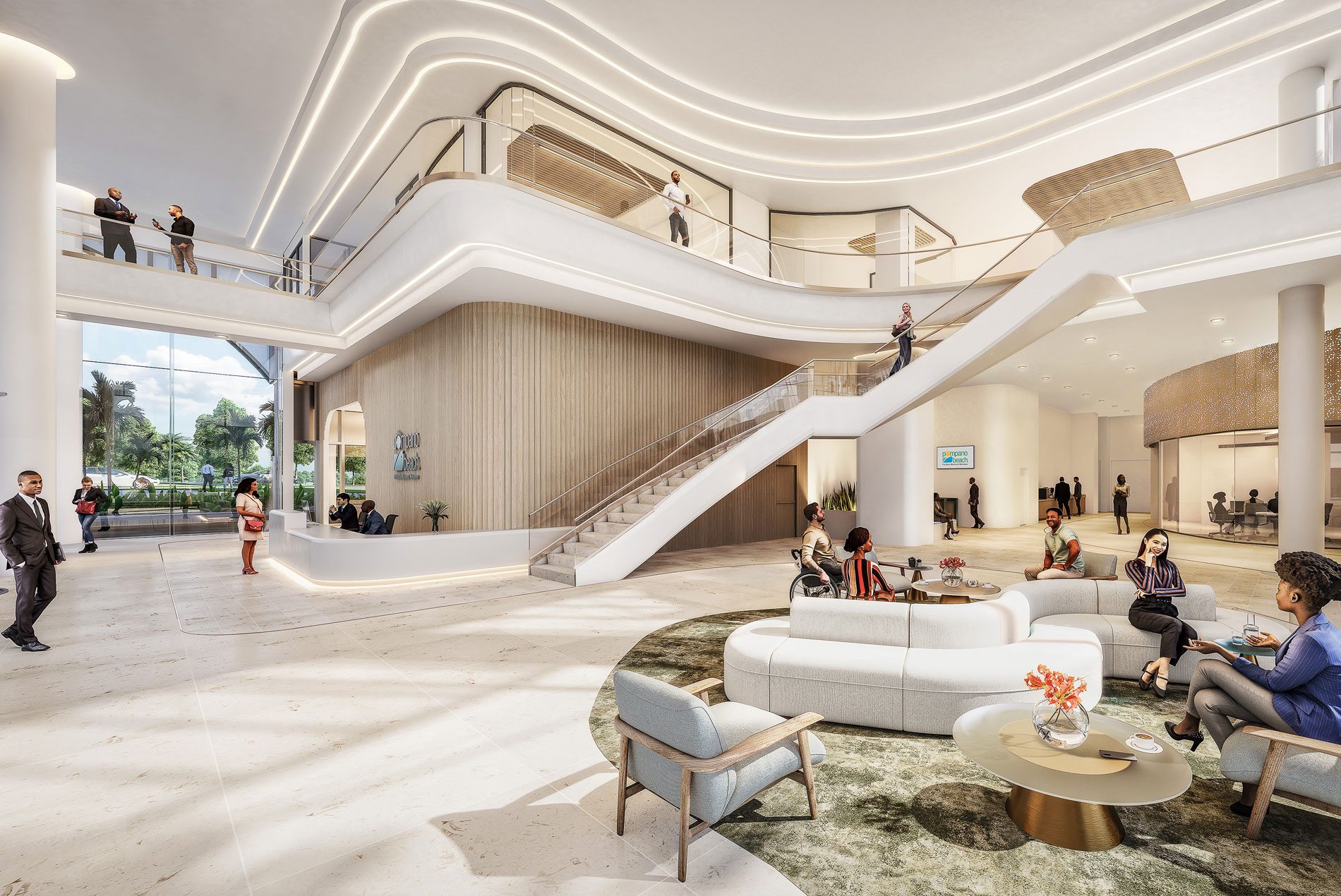
1. How can design improve public use and efficiency?
Public-facing areas set the tone for the entire civic experience. Thoughtful layouts help residents complete tasks quickly and confidently. Buildings can support public use by locating high-demand services near the entry, streamlining circulation and offering intuitive wayfinding. Inclusive design strategies, such as multilingual signage, assisted technology and barrier-free counters, further improve access and equity for all visitors.
Above: In Pompano Beach, Florida, HOK is designing the new city hall to include a one-stop lobby that consolidates the check-in and administrative services for multiple departments. A digital kiosk system will notify an appropriate staff member to meet each visitor at a service window, helping reduce wait times and keeping interactions simple and efficient.
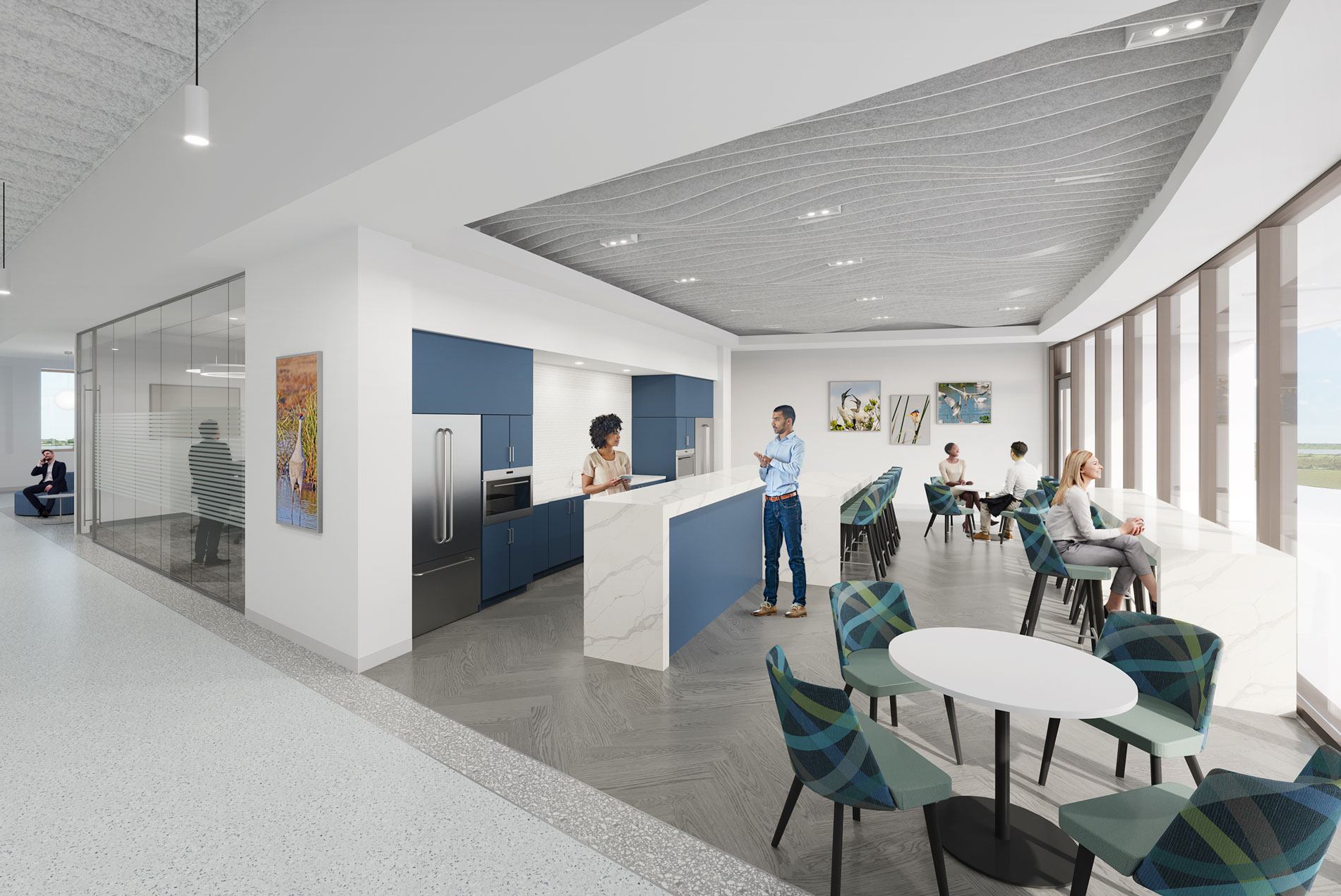
2. How can the workplace help employees thrive and collaborate?
A civic building is also a daily workplace for employees who support vital community services. Access to natural light, outdoor views, comfortable furnishings and a variety of work settings increase productivity and help reduce stress. Amenities such as wellness rooms, lounge-like break areas and quiet zones support the physical and mental well-being of staff.
Shared spaces, such as centralized break rooms and common meeting areas, reduce departmental isolation and create casual opportunities for collaboration. A well-designed workplace also strengthens recruitment and retention by showing current and prospective employees that their work is valued and supported. When staff feel connected, comfortable and equipped for success, the quality of public service they deliver improves as well.
Above: Sarasota County’s new administration building (designed by HOK and now under construction) features shared breakrooms where staff from across departments can connect and collaborate. Panoramic views of an adjacent nature area promote employee well-being.
3. What are our security needs and goals?
Security varies widely across jurisdictions depending on state laws, community expectations and adjacencies to other civic functions. Defining goals early—full screening, partial screening or none—helps shape circulation, entry design and staffing plans.
Layered zoning strategies allow the public to access high-demand services while keeping staff areas secure and comfortable. Simple choices like controlled back-of-house routes, discreet access points and clear sightlines can strengthen safety without making the building feel closed off. The goal is to balance openness and protection so both staff and visitors feel confident moving through the building.
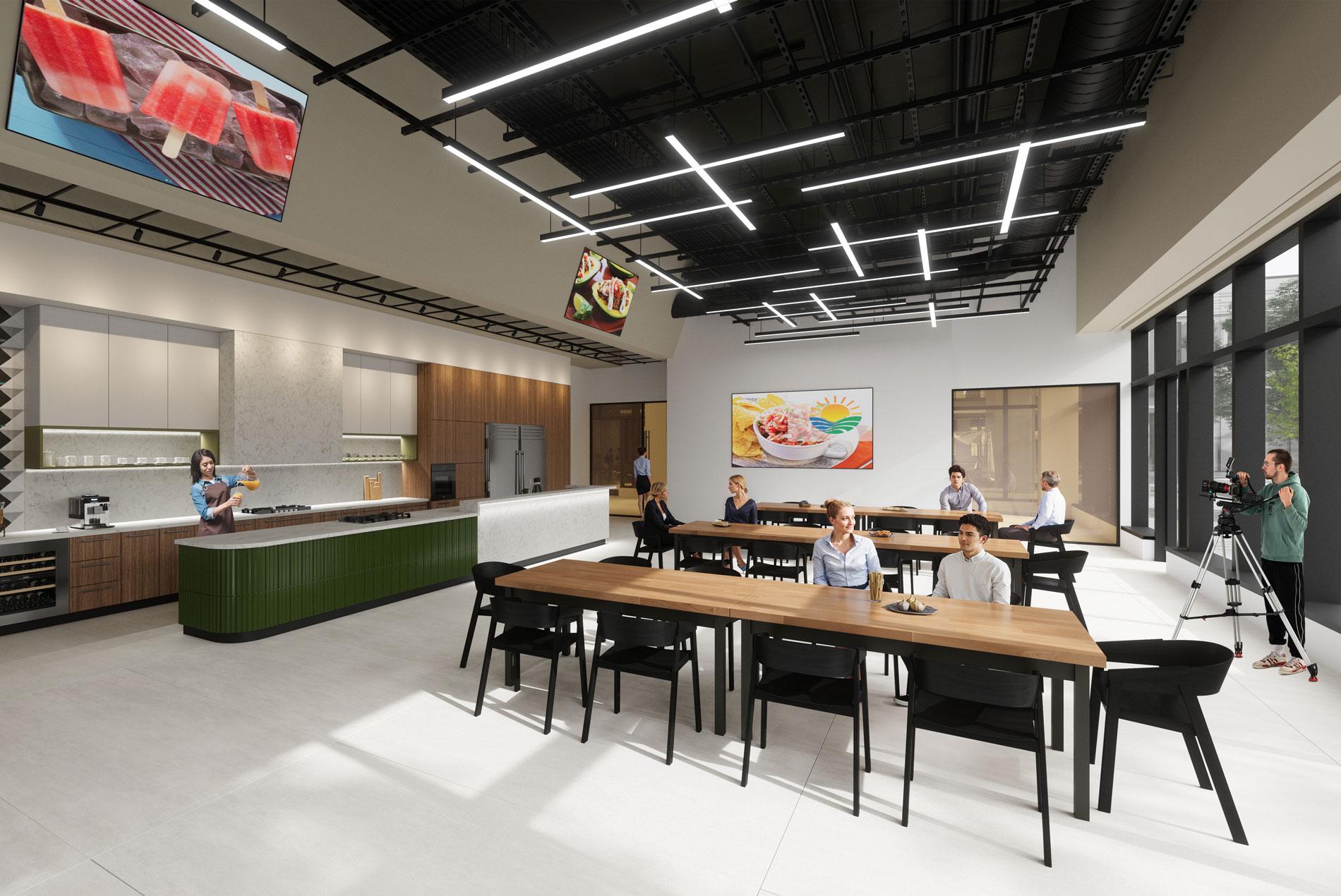
4. What technology do we need for today—and tomorrow?
Modern municipal operations rely heavily on digital infrastructure. Buildings must support secure data systems, robust Wi-Fi, livestreaming of public meetings, digital signage and seamless audiovisual integration throughout. Planning for additional cabling paths, expanded server rooms and adaptable technology helps ensure long-term viability. Technology also plays a vital role in government transparency. On-site recording studios, for example, allow officials to produce videos, podcasts and other media to keep residents informed and engaged.
Above: At the Florida Department of Agriculture and Consumer Services’ new headquarters now under construction in Tallahassee, HOK designed recording studios and a fully equipped test kitchen to support the agency’s televised programming on Florida agriculture. Close coordination with the IT team ensured the building’s infrastructure can evolve as communication tools and public expectations grow.
5. How can the building adapt and last?
A well-designed civic building must be flexible enough to evolve with changing programs, technologies and staffing levels. Modular layouts and convertible rooms allow departments to expand or contract without major renovation. Durable materials, efficient mechanical systems and thoughtful maintenance access points can extend a building’s lifespan while reducing long-term operating costs.
Resilience strategies—such as elevated structures, reinforced building envelopes and backup power—ensure continuity of operations during emergencies. For example, Sarasota’s new county administration building sits on an elevated base to withstand severe storms and flooding that crippled the existing facility, ensuring government operations can continue during future emergencies.
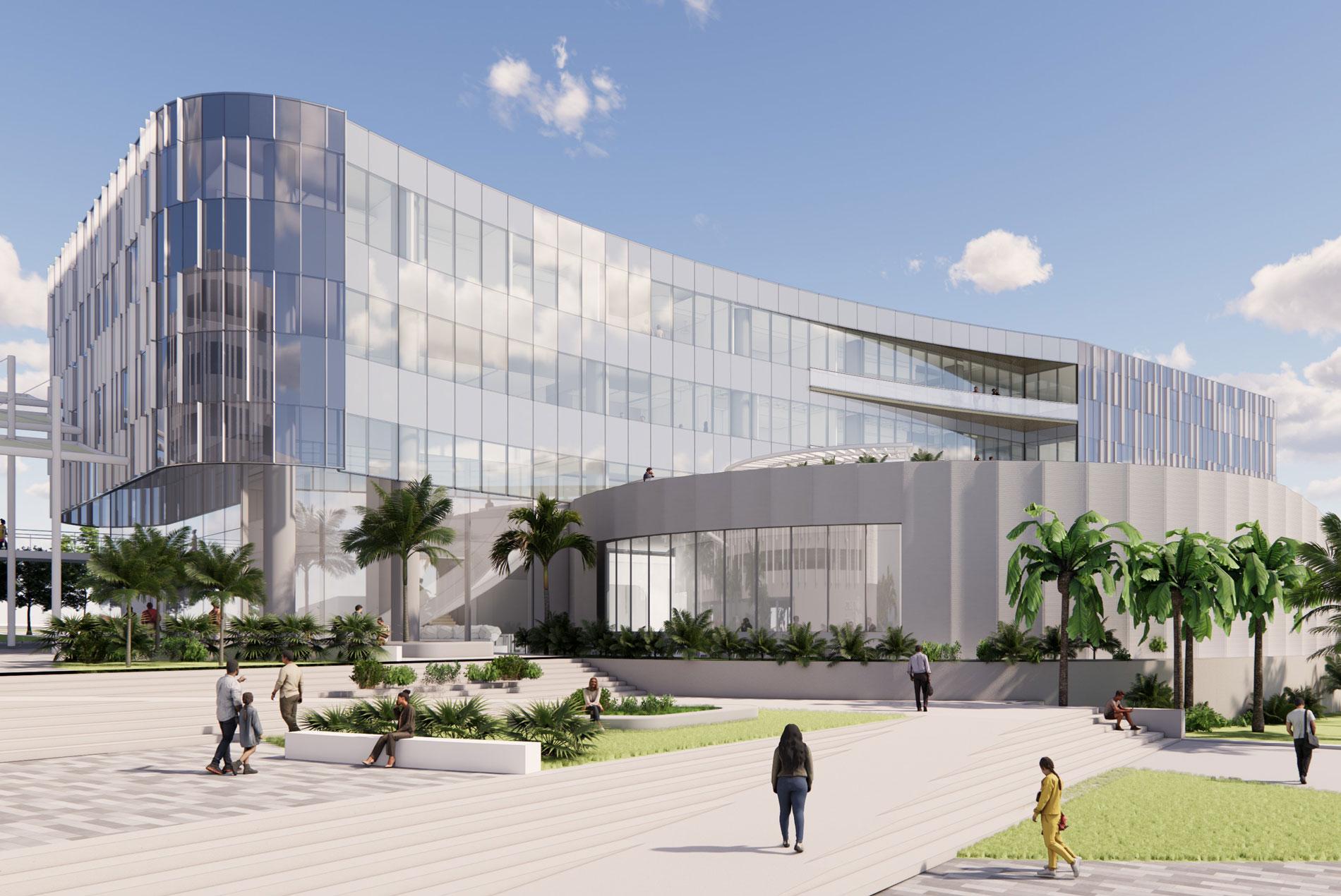
6. What other building uses could benefit the community or generate revenue?
Civic buildings can serve as year-round community assets when designed for multipurpose use. Flexible chambers, public meeting rooms and outdoor plazas can host educational programs, small business workshops, cultural events and civic celebrations. These spaces can also be made available for private functions—such as weddings and galas—helping activate the building after hours. Thoughtful design ensures these additional uses never interfere with core government functions.
Above: The design for Pompano Beach’s new city hall includes a large public plaza that can accommodate community events and a council chamber (foreground building) that can host private events, enabling the city to support public programming while exploring opportunities for modest revenue generation.
7. What does the building say about us?
Last but perhaps most important, civic buildings are physical expressions of a community’s values. Architecture, materials and landscape can convey openness, dignity, transparency and permanence. Public plazas, terraces and gathering spaces reinforce the idea that government is accessible and engaged with the people it serves. A well-crafted civic building strengthens local identity and boosts civic pride, reflecting who the community is today and what it aspires to be in the future.
Want to know more? Connect with the authors.
Kristine Bishop Johnson is an HOK senior principal and director of the firm’s Civic + Justice practice. With more than 25 years of experience, she leads planning and design for complex civic, government and justice facilities that balance security, efficiency and transparency. Kristine is passionate about creating public buildings that strengthen communities and support civic values.
Steven Burgos is an HOK principal and director of design, interiors in Florida. He specializes in workplace design strategies that enhance performance, flexibility and well-being. His collaborative approach bridges architecture and interiors to create environments that support the work of public sector employees while elevating the experience of the people they serve.