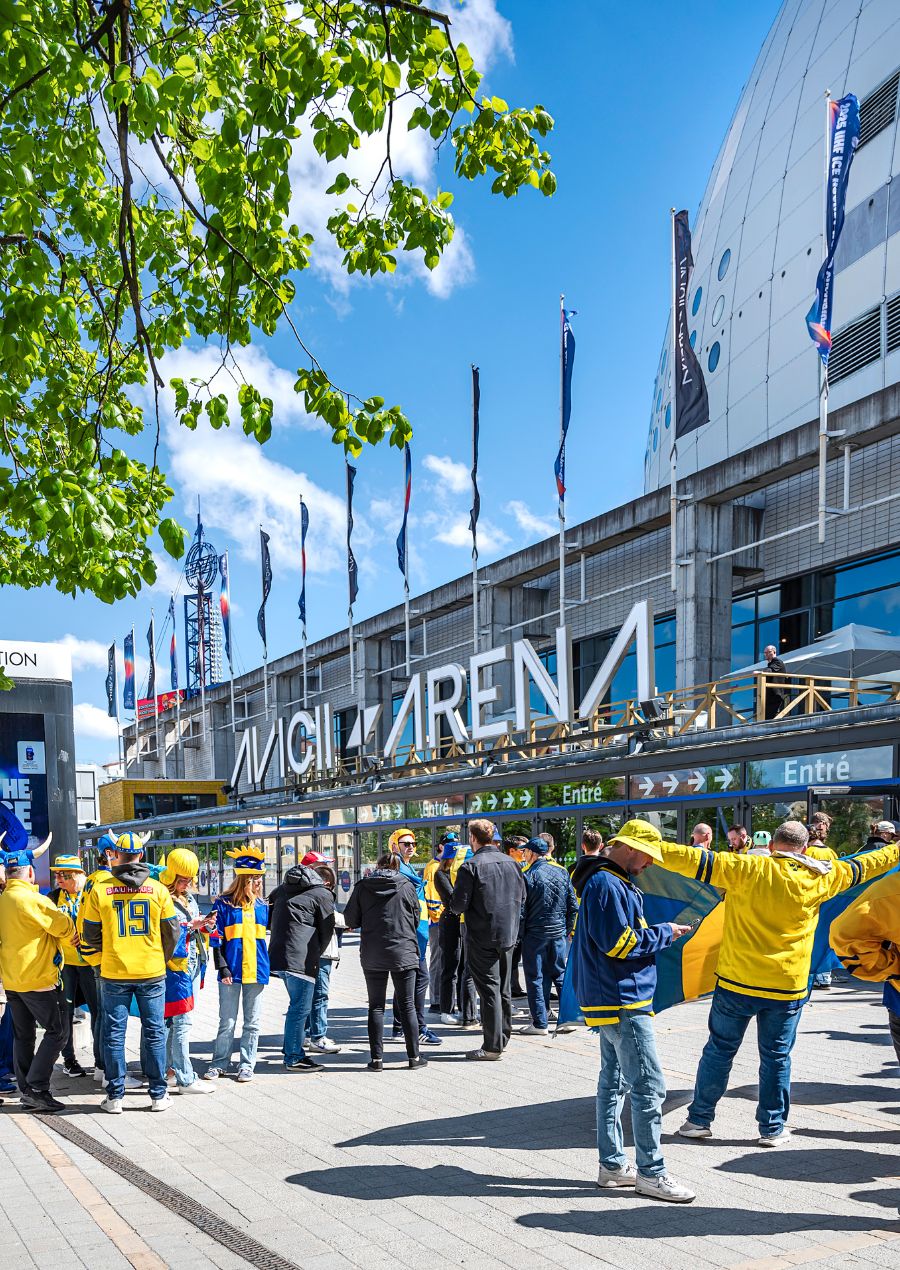
Stockholm’s Avicii Arena needed a reinvention. Since opening in 1989 as the world’s largest spherical building, the arena had become underutilized despite its iconic status. Challenging acoustics hampered the venue and it struggled to create intimacy for different event types. The $92 million modernization tackles these issues within the existing building shell while respecting its protected heritage status.
The project preserves most of the structure and systems while adding the fan amenities and flexibility needed by today’s venues. A retractable acoustic ceiling, new premium spaces and upgraded technical infrastructure transform how the arena functions without altering its spherical form. These changes position Avicii Arena to anchor Stockholm’s entertainment district, serving as both an international destination and a community hub.
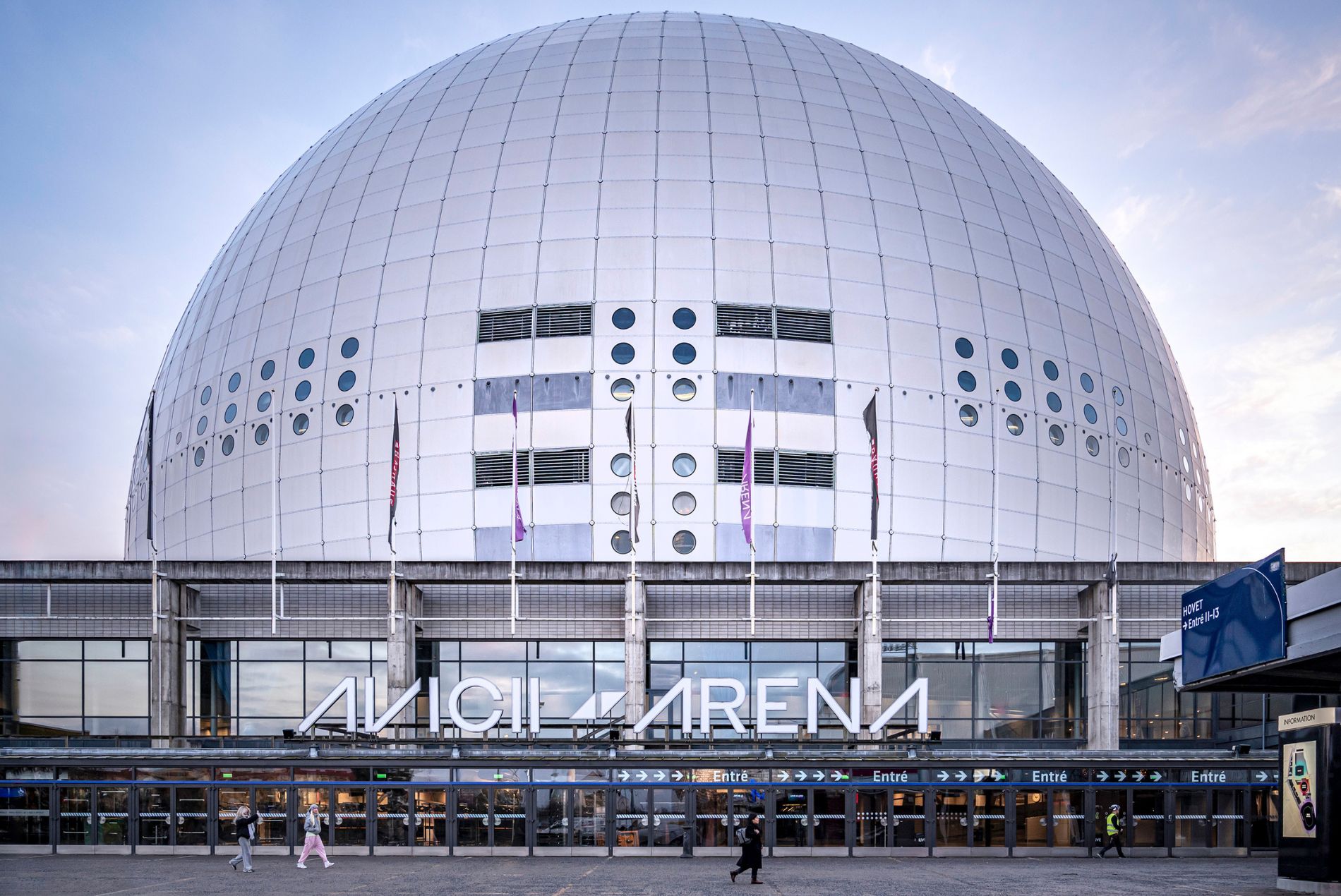
Respect for the arena’s rich history guided the design approach. The arena is a protected civic landmark, inherently full of character. The design builds on this character by ensuring visitors experience the unique domed structure while strengthening its function, experience and hospitality.
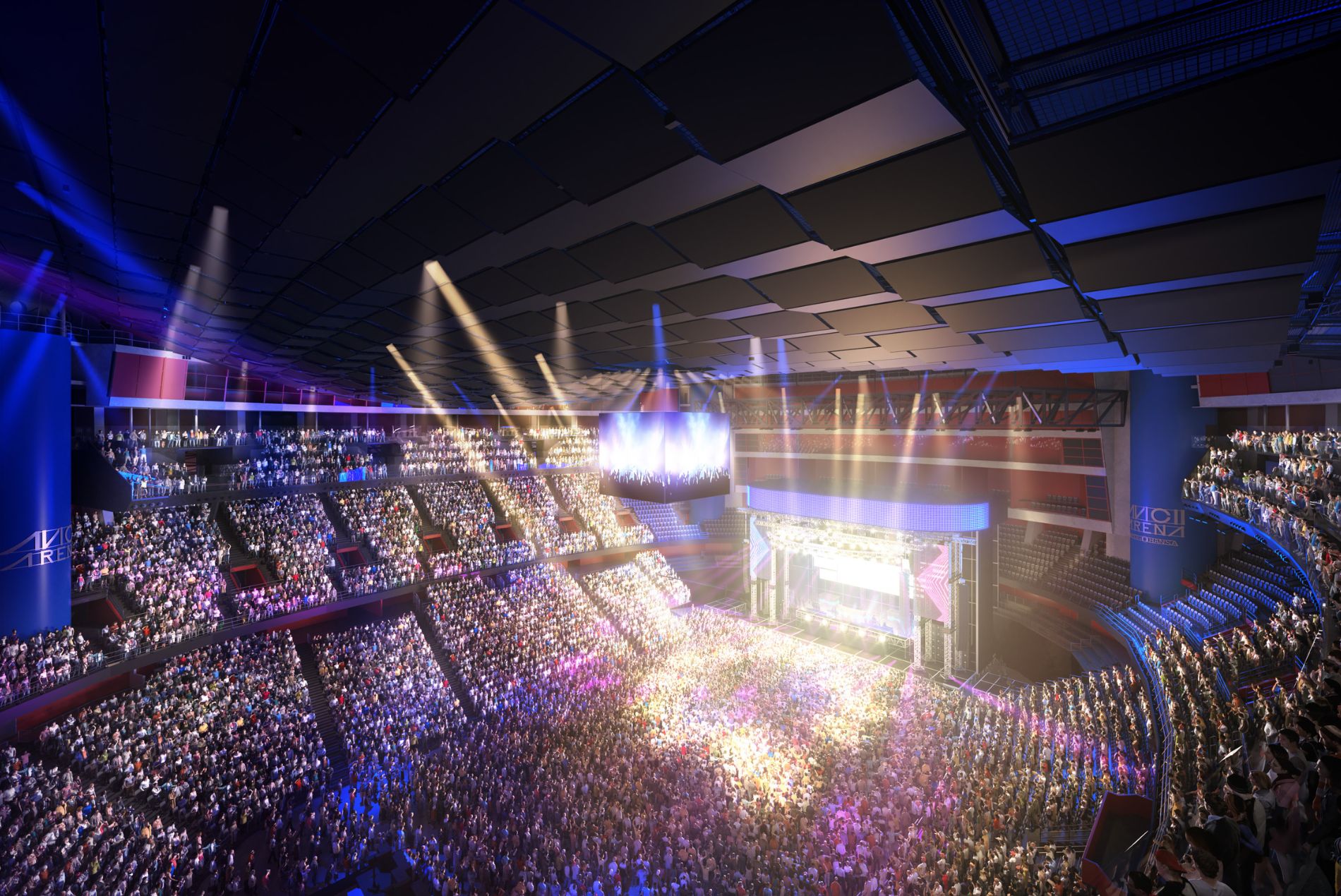
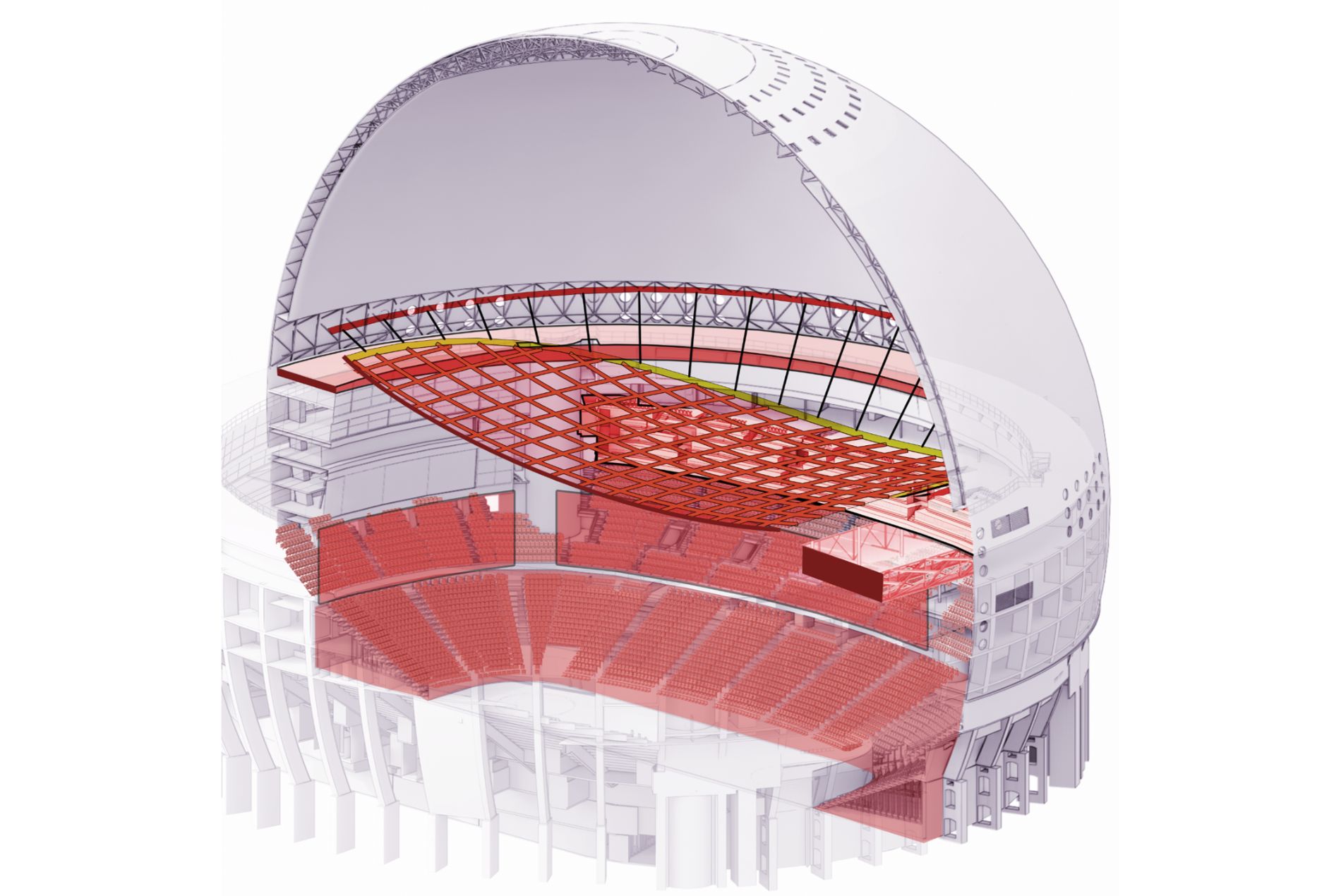
The dome’s geometry created longstanding acoustic challenges. The design answers with an adaptable, retractable inner roof—a roof beneath the main roof. The system uses reflective, dynamic “potato chip” panels that shift to optimize acoustics and atmosphere for events ranging from ice hockey to concerts.
“We used off-the-shelf products but in a new, innovative way,” says Kirsty Mitchell, HOK’s senior project manager.
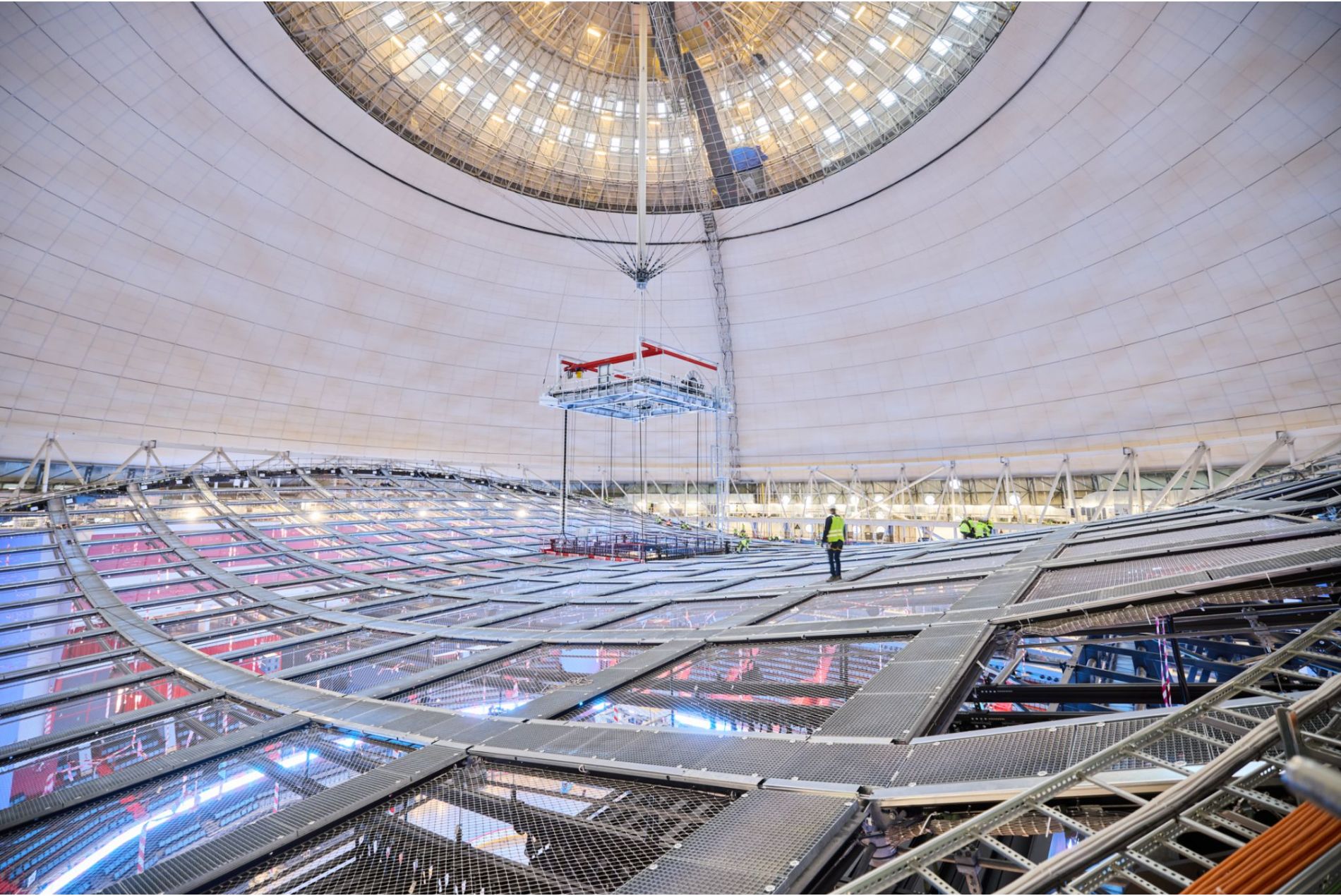
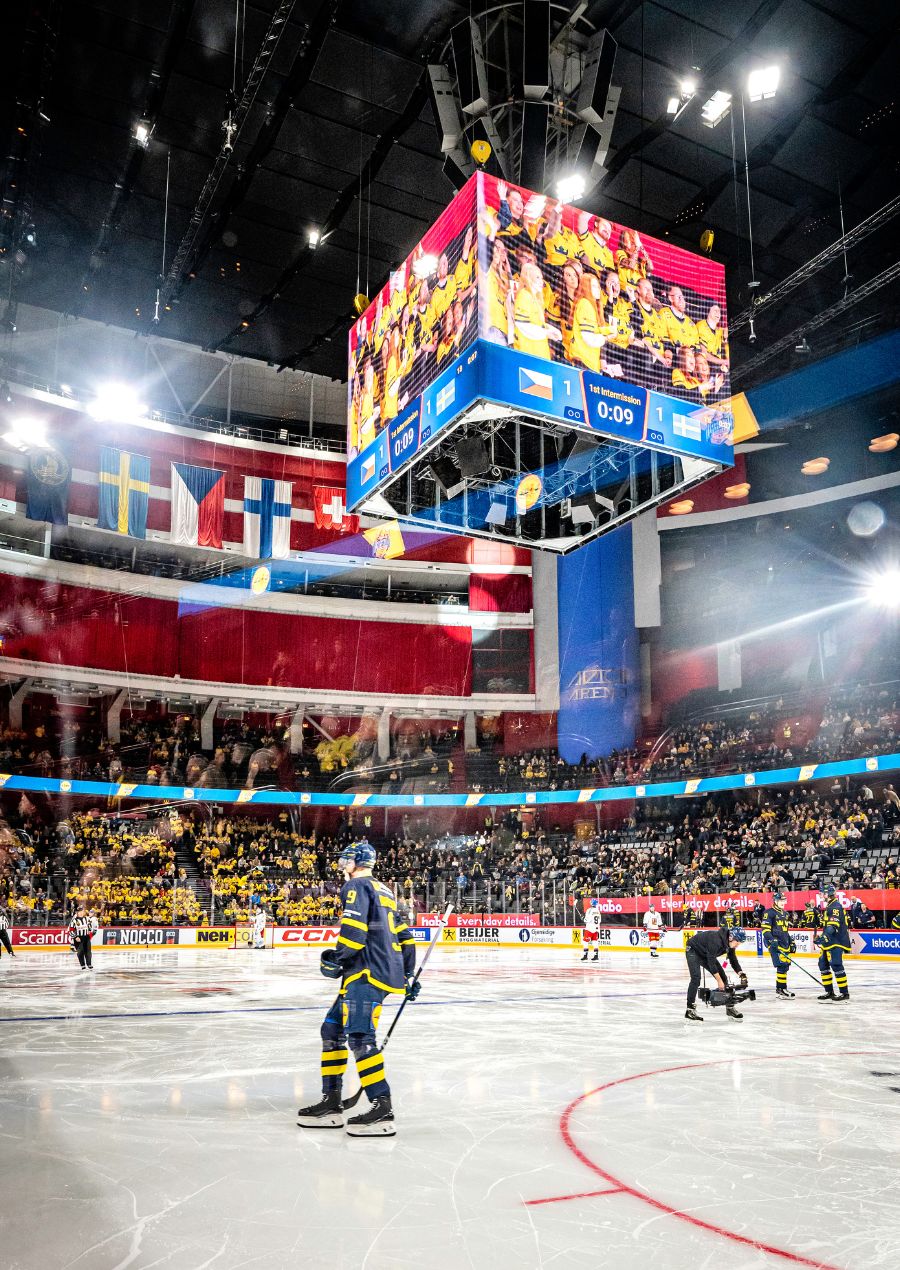
Beyond the engineering feat, the ceiling transforms how people experience the arena. It resolves decades-old acoustic issues while allowing operators to scale the atmosphere from a grand spectacle to an intimate performance in minutes. This innovation sets a precedent for how large arenas can adapt their spaces to meet diverse audience expectations and event sizes.
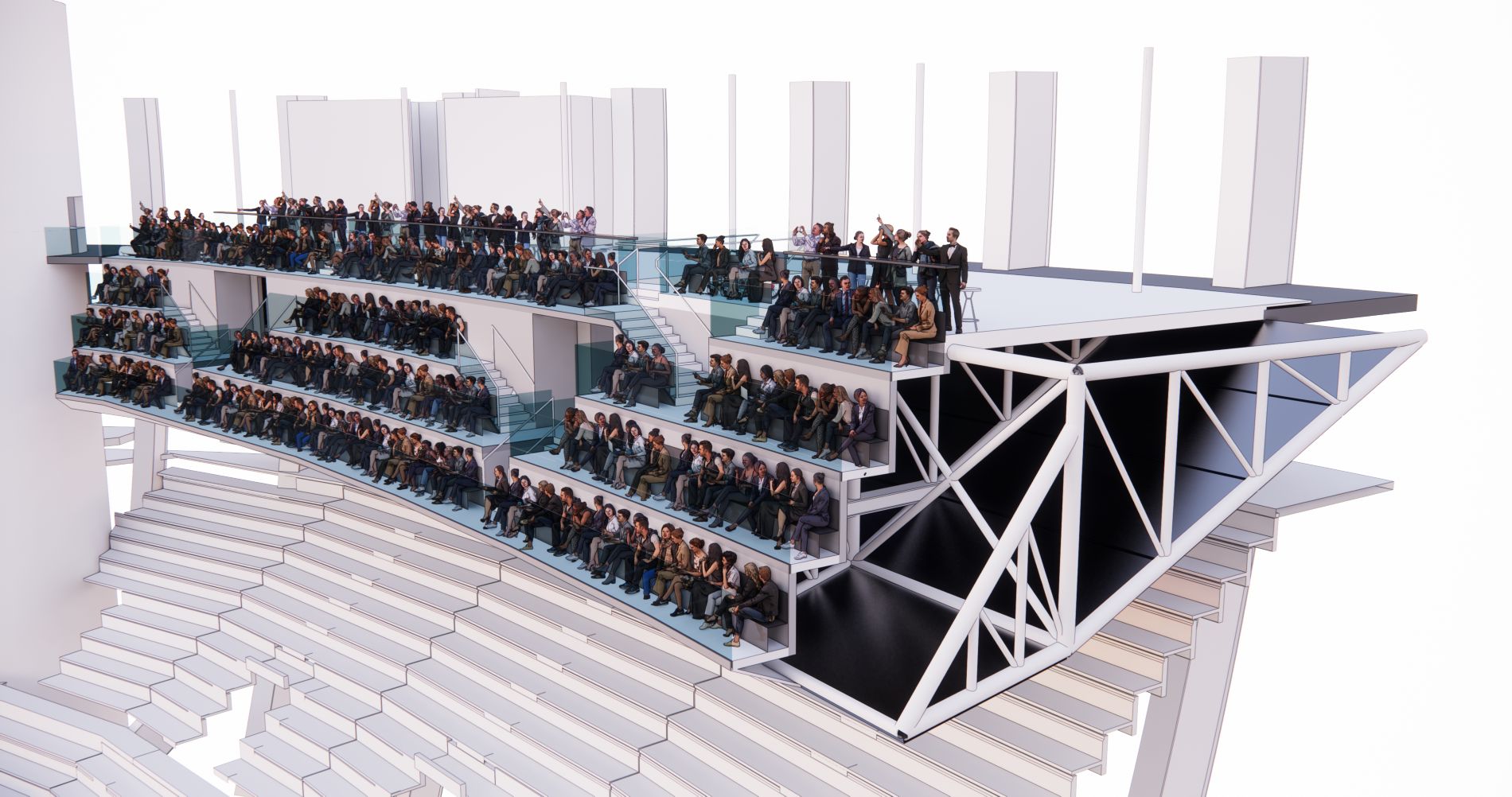
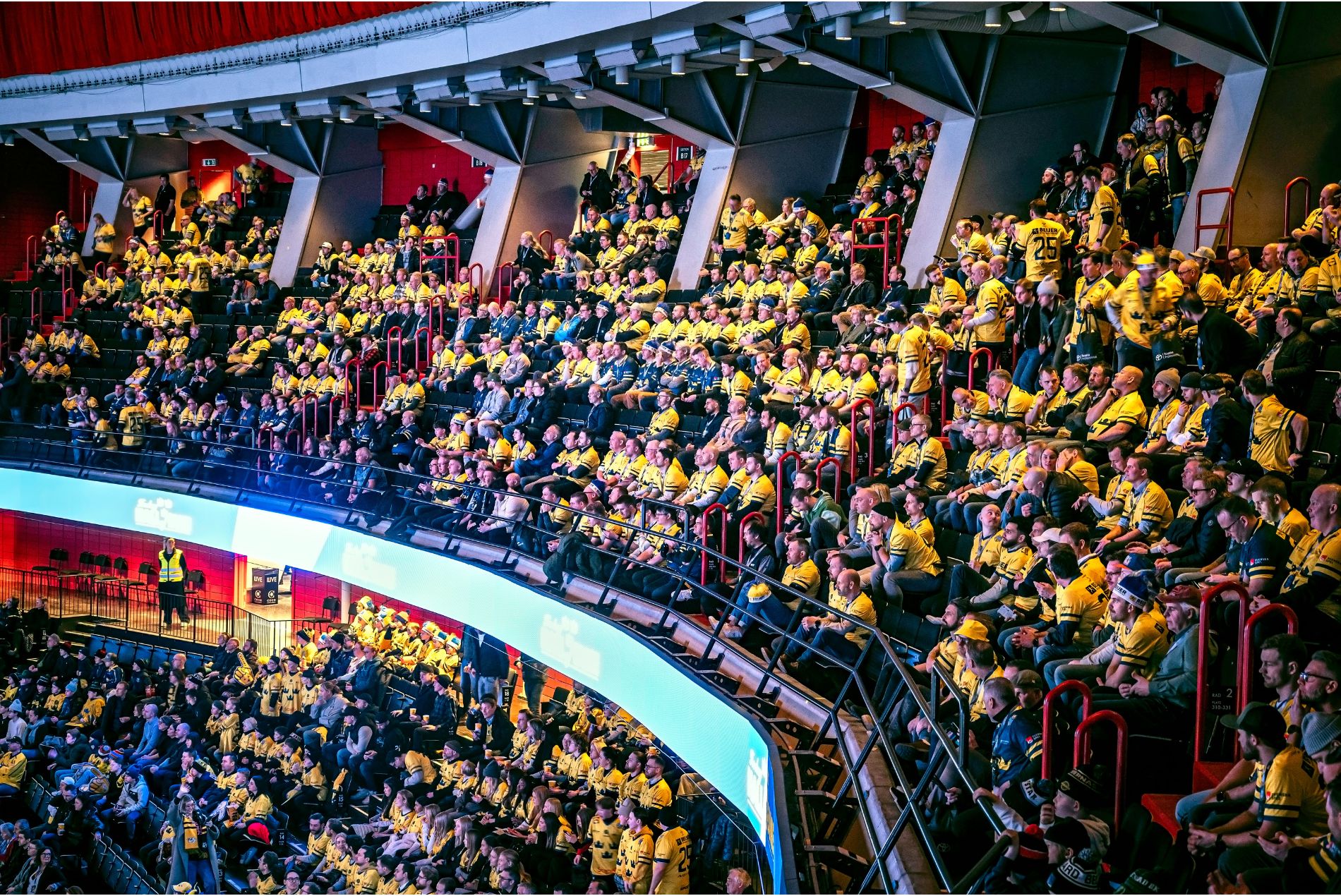
Another signature intervention is the introduction of gondola seating—seen in a handful of North American venues but unprecedented in Europe. The team converted some of the least desirable upper-level seats into a highly sought-after experience. Cantilevered gondolas seem to hover above the floor, offering panoramic views.
Elsewhere in the arena, new fan experiences include a premium lounge, a cocktail bar with in-seat service and Clubhouse 57—a hidden oasis with dining, social space and a bar.
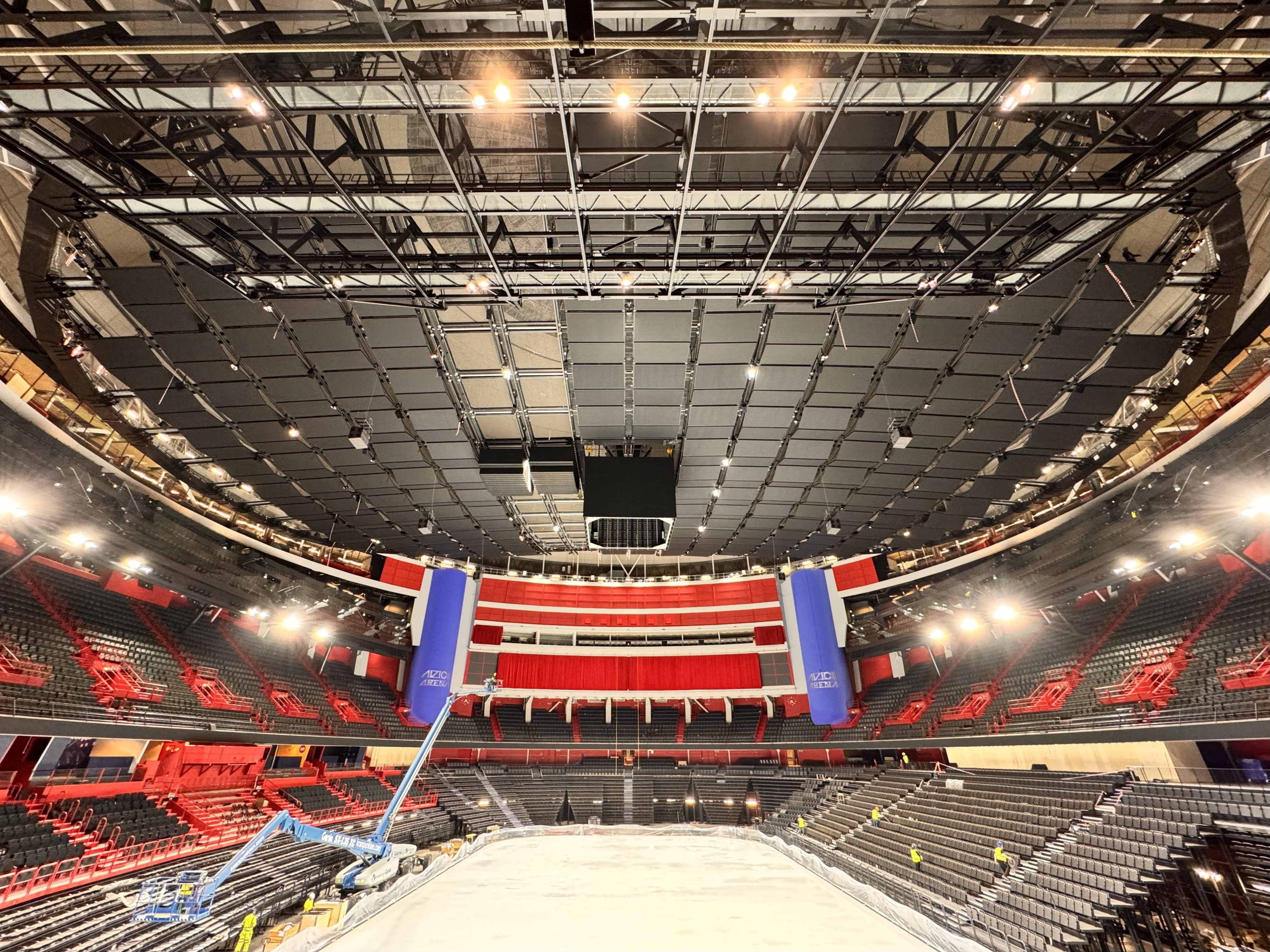
As a listed heritage building with a spherical geometry, every major intervention had to occur within the existing envelope, like building a ship in a bottle. The logistically complex construction required creative problem solving, meticulous engineering and sequencing, and a highly collaborative team approach. Many elements, including roof trusses, were built off-site and delivered to the venue for careful assembly inside.
From threading new rigging grids through the dome’s structure to repurposing off-the-shelf parts for one-off solutions, the design pushed the boundaries of what’s possible in the adaptive reuse of large sports and entertainment venues.
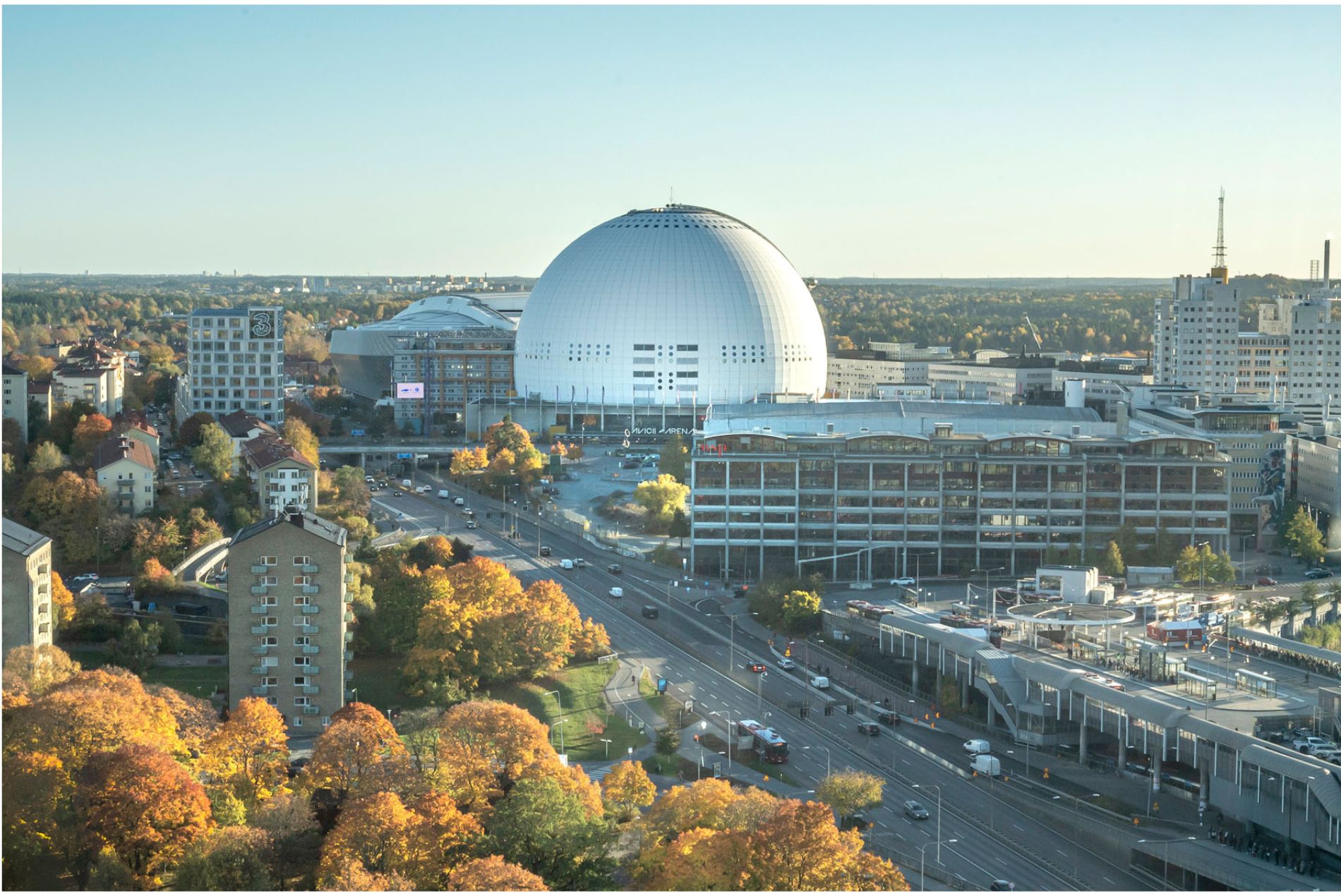
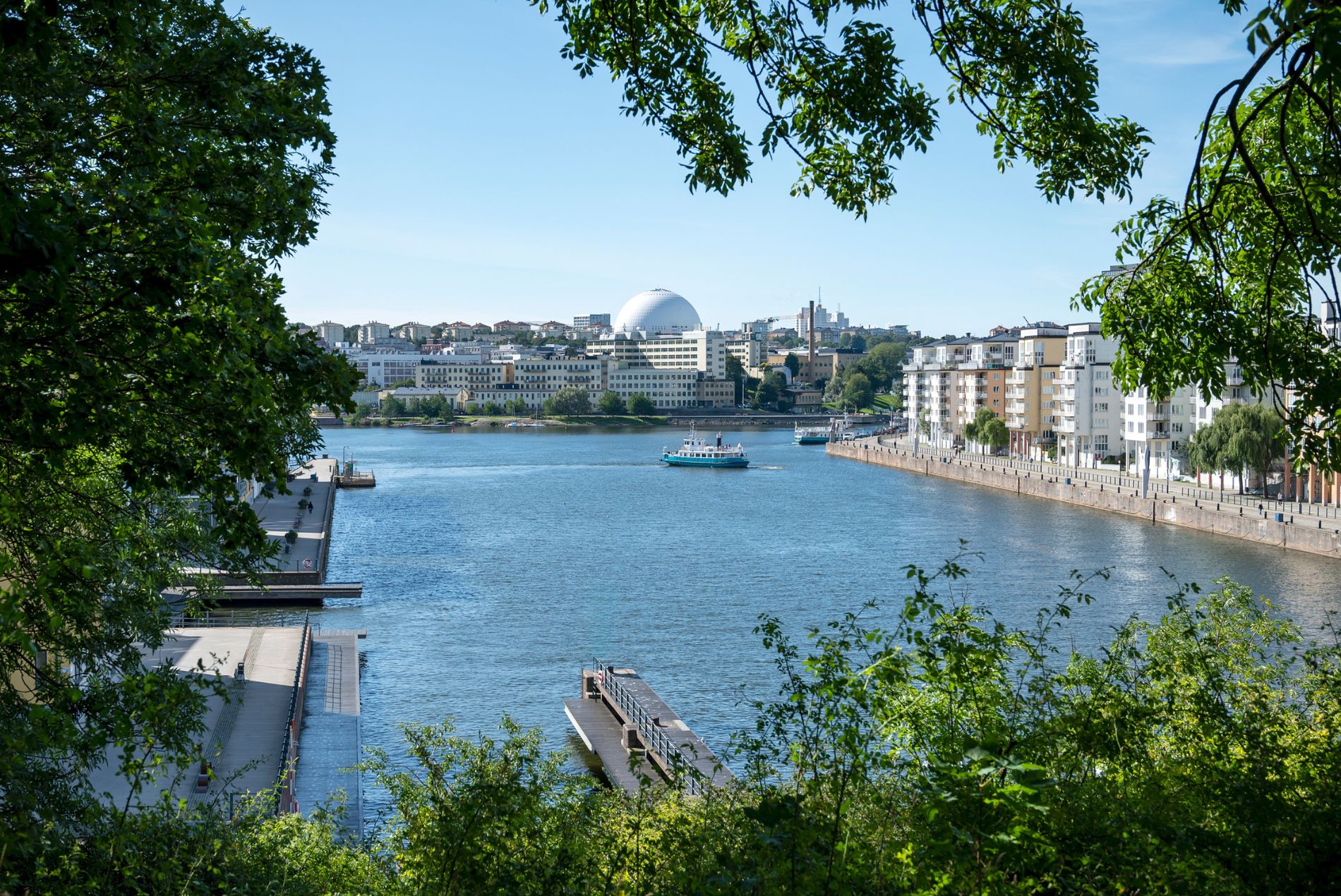
The modernization’s effects extend far beyond the venue’s walls. By significantly improving Stockholm’s setting for sports and entertainment, the project allowed a nearby underperforming and dated venue to be demolished, freeing land for new development.
Increased activity strengthens the entertainment district, boosts foot traffic and improves pedestrian links. Avicii Arena once again serves as Stockholm’s living room.
By reusing the existing building rather than constructing new, the city avoided the environmental and financial costs of replacement while delivering a meaningful improvement in the fan experience. The project minimizes embodied and operational carbon and extends the life of a civic icon.
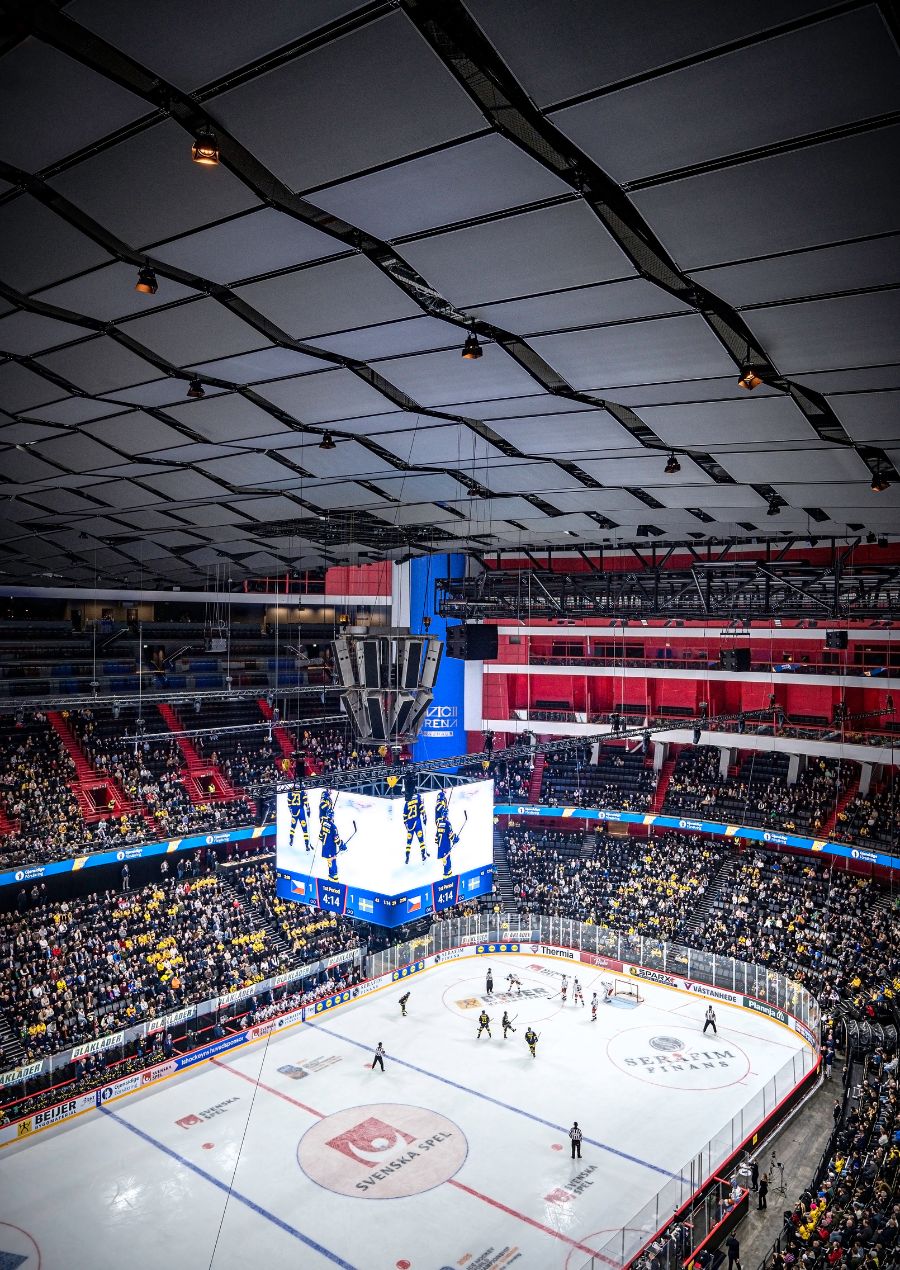
The arena’s transformation delivers what today’s producers and audiences expect: an intimate bowl, diverse premium options and robust rigging capacity. Fans get proximity and choice. Performers and crews gain flexibility and efficiency.
Since reopening, demand for premium and gondola seating has exceeded expectations, and event bookings have increased significantly. Locals and visitors alike feel like they are experiencing a brand-new venue within the beloved historic arena shell.
Stockholm’s Avicii Arena needed a reinvention. Since opening in 1989 as the world’s largest spherical building, the arena had become underutilized despite its iconic status. Challenging acoustics hampered the venue and it struggled to create intimacy for different event types. The $92 million modernization tackles these issues within the existing building shell while respecting its protected heritage status.
The project preserves most of the structure and systems while adding the fan amenities and flexibility needed by today’s venues. A retractable acoustic ceiling, new premium spaces and upgraded technical infrastructure transform how the arena functions without altering its spherical form. These changes position Avicii Arena to anchor Stockholm’s entertainment district, serving as both an international destination and a community hub.
“The intention was to design the elements of the intervention as if they had always been there from the start. So we had to have a careful balance between old and new.”
— Nuno Guerreiro, Architect, HOK
Respect for the arena’s rich history guided the design approach. The arena is a protected civic landmark, inherently full of character. The design builds on this character by ensuring visitors experience the unique domed structure while strengthening its function, experience and hospitality.
The dome’s geometry created longstanding acoustic challenges. The design answers with an adaptable, retractable inner roof—a roof beneath the main roof. The system uses reflective, dynamic “potato chip” panels that shift to optimize acoustics and atmosphere for events ranging from ice hockey to concerts.
“We used off-the-shelf products but in a new, innovative way,” says Kirsty Mitchell, HOK’s senior project manager.
Beyond the engineering feat, the ceiling transforms how people experience the arena. It resolves decades-old acoustic issues while allowing operators to scale the atmosphere from a grand spectacle to an intimate performance in minutes. This innovation sets a precedent for how large arenas can adapt their spaces to meet diverse audience expectations and event sizes.
Another signature intervention is the introduction of gondola seating—seen in a handful of North American venues but unprecedented in Europe. The team converted some of the least desirable upper-level seats into a highly sought-after experience. Cantilevered gondolas seem to hover above the floor, offering panoramic views.
Elsewhere in the arena, new fan experiences include a premium lounge, a cocktail bar with in-seat service and Clubhouse 57—a hidden oasis with dining, social space and a bar.
As a listed heritage building with a spherical geometry, every major intervention had to occur within the existing envelope, like building a ship in a bottle. The logistically complex construction required creative problem solving, meticulous engineering and sequencing, and a highly collaborative team approach. Many elements, including roof trusses, were built off-site and delivered to the venue for careful assembly inside.
From threading new rigging grids through the dome’s structure to repurposing off-the-shelf parts for one-off solutions, the design pushed the boundaries of what’s possible in the adaptive reuse of large sports and entertainment venues.
“This project is much more than a repurposing project, it’s also a regeneration project.”
— John Rhodes, Director of Sports + Recreation + Entertainment, HOK
The modernization’s effects extend far beyond the venue’s walls. By significantly improving Stockholm’s setting for sports and entertainment, the project allowed a nearby underperforming and dated venue to be demolished, freeing land for new development.
Increased activity strengthens the entertainment district, boosts foot traffic and improves pedestrian links. Avicii Arena once again serves as Stockholm’s living room.
By reusing the existing building rather than constructing new, the city avoided the environmental and financial costs of replacement while delivering a meaningful improvement in the fan experience. The project minimizes embodied and operational carbon and extends the life of a civic icon.
The arena’s transformation delivers what today’s producers and audiences expect: an intimate bowl, diverse premium options and robust rigging capacity. Fans get proximity and choice. Performers and crews gain flexibility and efficiency.
Since reopening, demand for premium and gondola seating has exceeded expectations, and event bookings have increased significantly. Locals and visitors alike feel like they are experiencing a brand-new venue within the beloved historic arena shell.